Swedish team makes spider silk protein in larger quantities
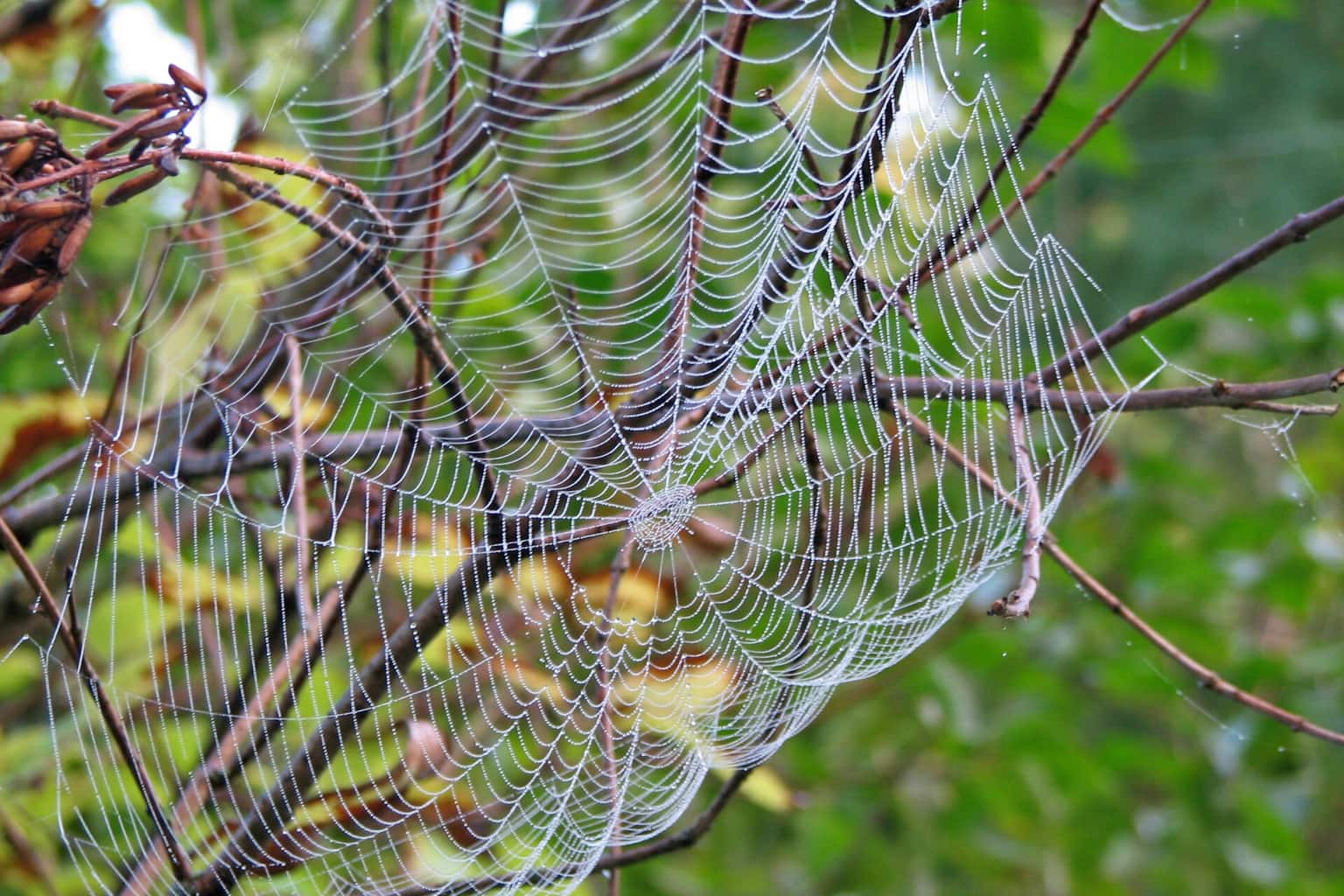
Researchers at the Swedish University of Agricultural Sciences (SLU) have shown that spider silk protein can be produced in larger quantities and more efficiently, a step that can also reduce production costs. Anna Rising and Benjamin Schmuck, who earlier this year received a grant of EUR 200,000 from the H&M Foundation, are now working to turn that protein into fibers and yarn for textile tests.
Spider silk is remarkable on paper. Its tensile strength reaches 1.5 billion pascals (GPa), which means a thread can withstand a pulling force of 150 newtons per square millimeter of cross-section before breaking, comparable to high-grade steel. Its toughness, light weight and biodegradability have drawn interest from the textile industry. Spiders cannot simply be farmed like silkworms, since they produce little silk each and are cannibalistic. Earlier research from King's College London and San Diego State University (SDSU) in California decoded the “molecular stickers” that make the silk stronger than steel and tougher than Kevlar.
The real obstacle is spinning. A spider pushes liquid silk protein through a narrow duct, which changes its chemical environment and assembles the protein into a tightly packed structure called a beta-sheet; the fiber then emerges solid through its spinnerets. “Researchers have made plenty of protein soup, as a spider does,” said Sarah Stellwagen of the University of North Carolina (UNC), “but unlike spiders, they haven’t been able to spin that protein into solid threads at a scale that is relevant for the public.”
For textiles and medicine, the consequences are still ahead. The group is also exploring medical uses. The grant allows the team to run more trials, improve the manufacturing process and produce enough material to test yarn and textiles, as Anna Rising, professor at the Department of Animal Biosciences, put it. The team has not announced a date for a finished textile.
Sources — read the originals(Paris time)
Read next
Comments
Loading the thread…
Sign in to leave a comment. Sign in