The FAA's AI tool now covers all 22 US air traffic centers
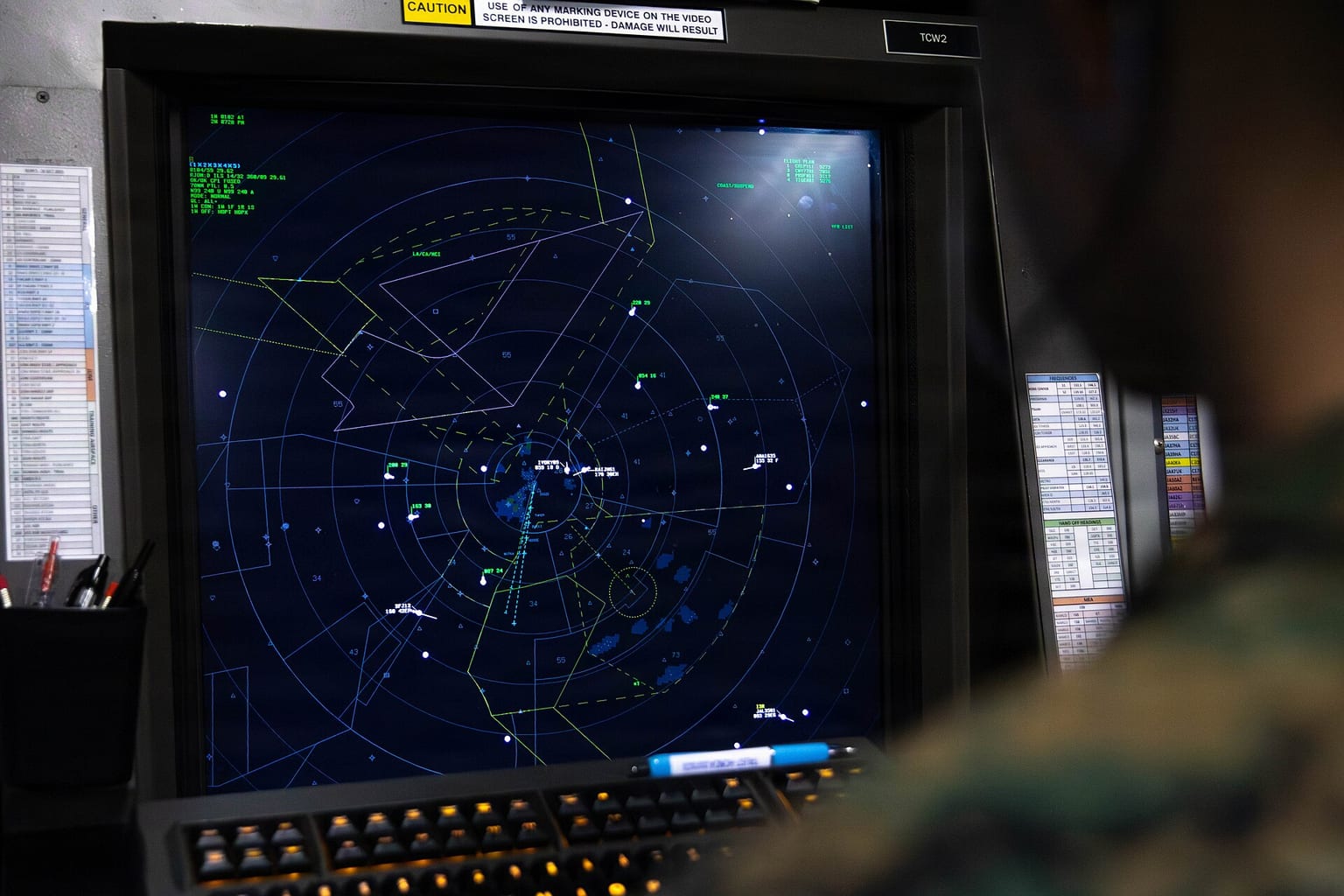
Since September 21, a planning tool called SMART has been suggesting new routes and arrival orders for flights over Washington, DC. On November 10, the Federal Aviation Administration (FAA) said it now covers the airspace of all 22 air route traffic centers in the country. The agency says the tool has already rerouted 180 flights.
SMART stands for Strategic Management of Airspace, Routes and Trajectories. It is a cloud-based system that combines weather patterns, flight paths, traffic flow and controller staffing data to predict where congestion will build up. From that, it proposes schedules, flight routes and the order in which planes should land. The tool does not control aircraft. A team of FAA specialists based in Washington reviews each recommendation before passing it to air traffic control facilities, and the agency says controllers remain responsible for keeping aircraft safely separated.
The FAA's figures are its own. Its November 10 statement says that since the launch, SMART saved an average of 10 minutes per flight and almost 80 gallons of fuel per flight on the rerouted flights. The contract behind the system is worth $875 million over 12 years and was awarded to Air Space Intelligence in June. American Airlines chief executive Robert Isom said SMART could make better use of airspace, especially during weather events. The FAA's 180 flights are a small share of total traffic, and the 10-minute average covers only those rerouted flights, not a national delay figure.
The rollout has drawn objections. The National Air Traffic Controllers Association says it was not involved in the design, testing or implementation of SMART. Democratic lawmakers from both houses of Congress wrote to FAA Administrator Bryan Bedford and Secretary Duffy, asking about the predeployment evaluation, and said they had not seen safety evaluation or testing reports. The agency's November 10 update did not answer those questions. Former controller Dave Riley, who retired in 2020, put the tool in perspective: “It won't replace humans. It'll be another tool in the toolbox.” He doubts it will do much about the staffing shortage, which the Washington Post puts at about 11,000 certified controllers as of April, against an official target of 12,563.
For passengers, the gain is measured in minutes and gallons per rerouted flight, not in a nationwide cut in delays. What comes next is the phased rollout that Duffy has set for spring 2027, and whether the safety testing that lawmakers have requested is made public before then.
Sources — read the originals(Paris time)
Pages consulted while writing
Read next
Comments
Loading the thread…
Sign in to leave a comment. Sign in