AI cockpit assistant logs 20 hours on Air Force KC-46 tankers
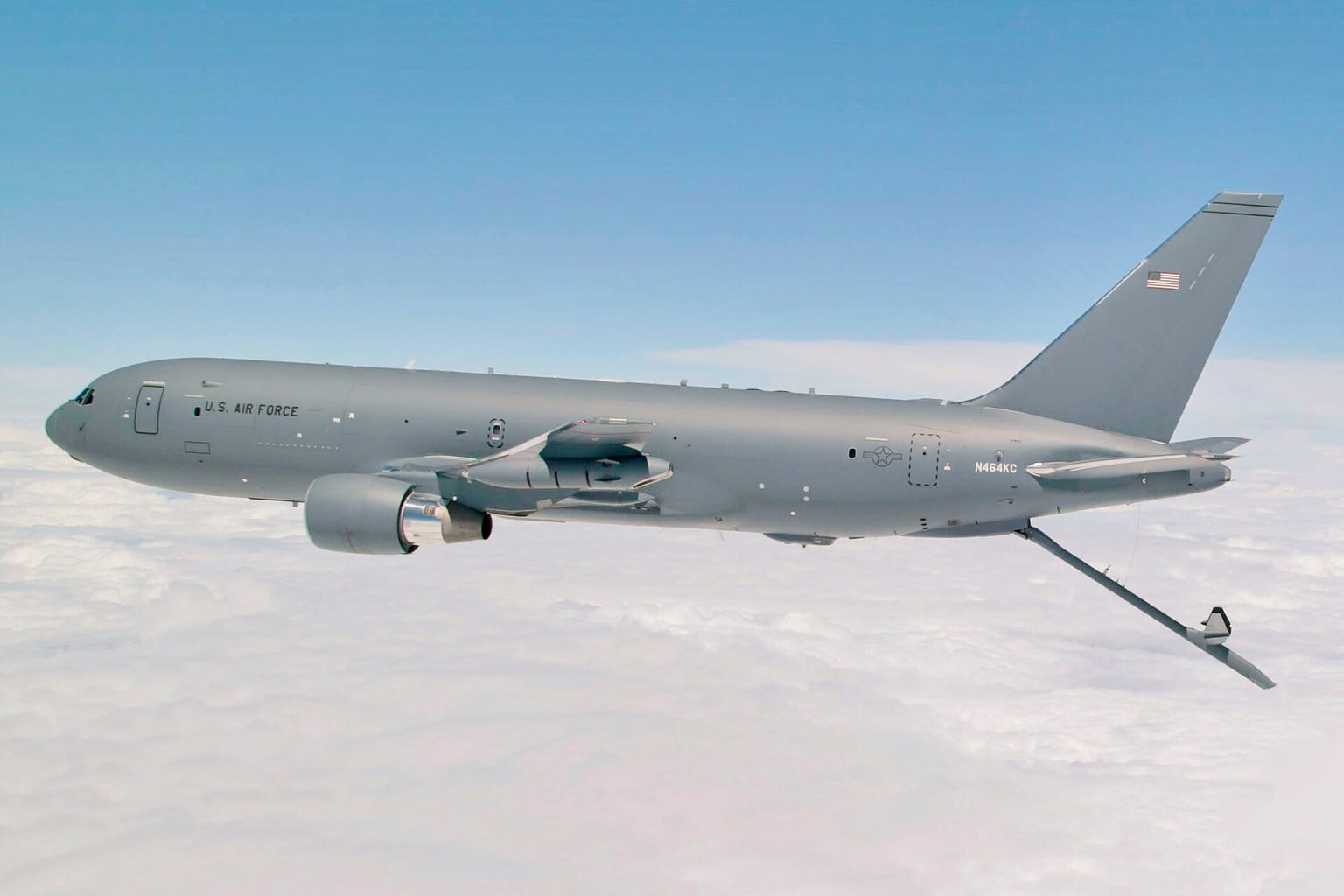
Over August and September 2026, Beacon AI's Murdock system logged about 20 hours across five flights aboard three operational U.S. Air Force KC-46A Pegasus tankers. The first flights took place during Emerald Flag, an exercise at Eglin Air Force Base in Florida, before the system moved to two other airfields, one of them civilian. Murdock does not fly the aircraft. It works through a crew-facing interface and offers advice while the crew keeps the controls.
Murdock combines onboard computing hardware with that interface. It reads data from the aircraft's avionics buses, the data networks that carry flight information between the aircraft's systems, and it records flights for analysis. Beacon says this design lets it add assistance without replacing existing avionics or modifying certified flight-critical systems. Pilots keep control and responsibility for operational decisions. The company classes the demonstrated capability as Level 2 assistance within its own framework: the software advises the crew, and humans decide how to respond.
Murdock also connects by satellite to Lighthouse, Beacon's cloud-based fleet data platform. Lighthouse processes information gathered across flights to help Beacon develop software features aimed at safety and operational efficiency. The company calls its longer-term approach Fleet Learning, a method that uses accumulated flight data to refine features across participating aircraft. Flying on operational tankers gave Beacon data from different aircraft and operating environments, which is a broader range of conditions than a single-aircraft test offers.
The project was backed by AFWERX, through its Tactical Funding Increase (TACFI) program, which helps technologies move toward operational use. It followed a Small Business Innovation Research (SBIR) Phase 2 contract with U.S. Special Operations Command. The House Armed Services Committee also addressed advisory flight-assistance systems in its report on the fiscal 2027 National Defense Authorization Act, and directed the defense secretary to brief the committee by February 1, 2027, on plans to evaluate and adopt these technologies.
For commercial aviation, the path is longer. The KC-46 derives from Boeing's 767 platform, which could offer Beacon a route toward airliners. Yet military demonstrations do not establish readiness or regulatory approval for commercial passenger aircraft, and any expansion would require further development, testing and validation. Beacon's immediate goal is narrower: extend Murdock across more stages of flight, starting with mission scheduling and postflight debriefing. CEO Matt Cox said the flights show how the technology can deliver practical benefits to aircrews, and that Beacon plans to expand its capabilities as operational experience and supporting evidence accumulate.
Sources — read the originals(Paris time)
Read next
Comments
Loading the thread…
Sign in to leave a comment. Sign in