Three mRNAs together more than double tumor-fighting immune cells
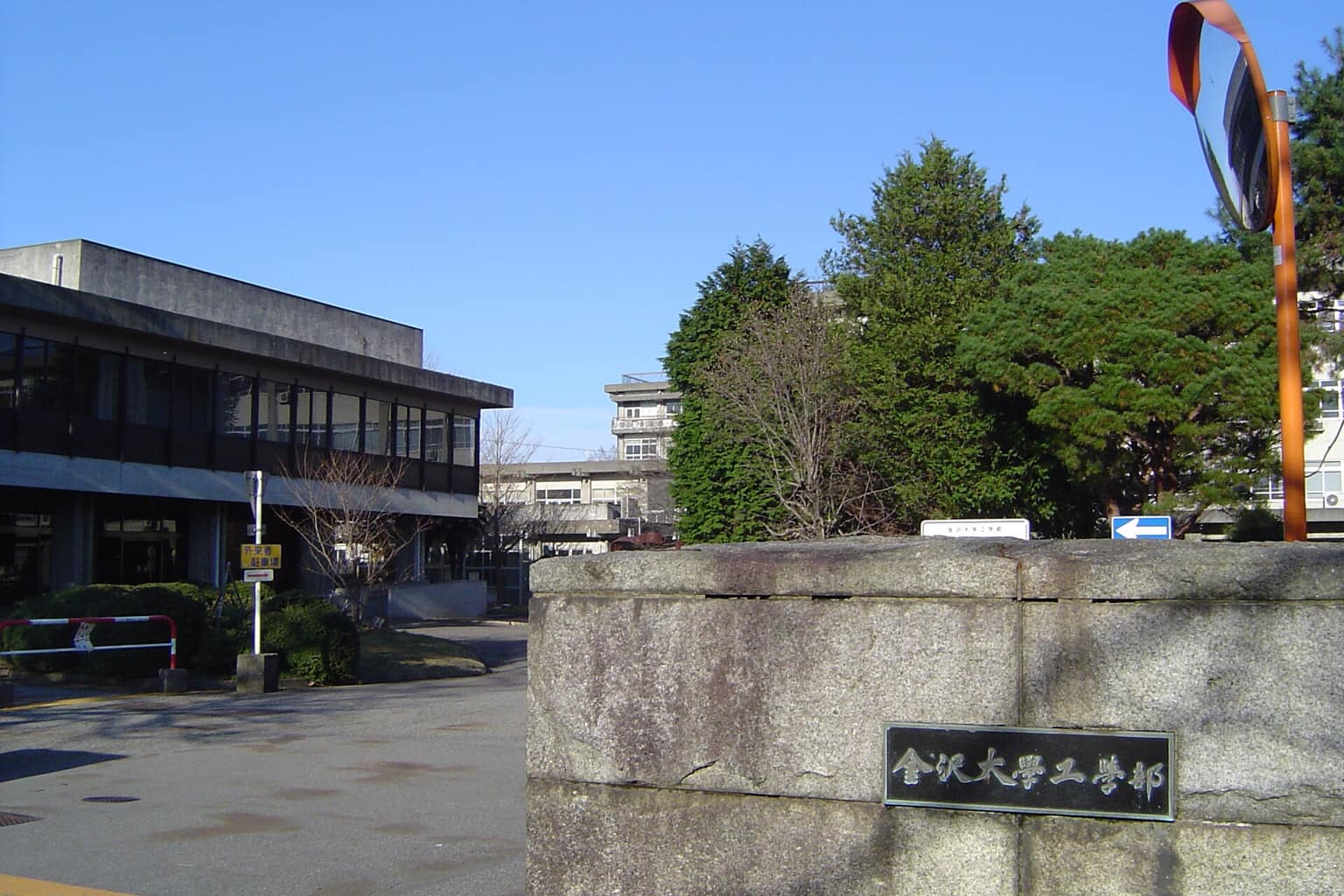
Cancer cells carry proteins that the immune system should be able to hunt down, yet it often fails to notice them. A research team at Kanazawa University, in Japan, has found a way to make it look harder. By delivering three mRNA instructions at the same time, the team saw the number of killer T cells targeting a tumor antigen rise to more than twice the level reached with the antigen mRNA alone. In the mice, tumor growth was suppressed and the animals survived longer.
The tool is mRNA, the molecule that carries a cell the blueprint for one protein. In an mRNA vaccine, only that blueprint is injected. The body's own cells then build the protein, and the immune system learns to recognize it. The approach has had remarkable success against COVID-19 and is now being explored for cancer immunotherapy, the use of the immune system to fight tumors. The difficulty is that tumor antigens, the proteins expressed by cancer cells, are often poorly recognized as foreign. An mRNA carrying only the antigen blueprint frequently fails to provoke a strong enough response.
The team, led by associate professor Tomoyoshi Yamano and professor Rikinari Hanayama, with postdoctoral researcher Toan Van Le, added two more blueprints alongside the antigen's. One tells cells to make a molecule that gives T cells a second activation signal, a kind of go-ahead on top of the first. The other makes a cytokine, a messenger that rouses immune cells, which stays anchored to the cell surface instead of drifting away. The three travel together inside a fatty carrier that protects the mRNA and delivers it into cells. The aim was to supply, all at once, the signals a T cell needs to act fully.
A second version swapped in a different cytokine, IL-12, and redesigned the antigen to be presented through another pathway. That pushed helper T cells, which organize the immune response, to differentiate into a specific subtype, the Th1 cells. When both versions were given together, complete tumor regression was observed in multiple animals, and those animals resisted a new tumor challenge.
The team also tested the platform against NY-ESO-1, a cancer antigen, in mice engineered to carry a human immune molecule, HLA-A*02:01. It induced killer T cells specific to that antigen. The researchers describe these findings as an important foundation for future clinical applications.
The authors flag their own gaps. They did not comprehensively evaluate how the anchored cytokines spread through the body, how long they stay active, or their overall exposure in the organism. Everything reported so far is still at the animal stage.
What the work could change, the researchers say, is how cancer vaccines are built. They expect it to contribute to “programmable cancer vaccines”, whose mix of mRNAs could be tailored to the particular cancer of one patient. Each of the components can be dosed independently, a feature the team presents as part of the design. The team gives no timeline for clinical use, and the next step it points to is that clinical work.
Sources — read the originals(Paris time)
Pages consulted while writing
Read next
Comments
Loading the thread…
Sign in to leave a comment. Sign in