Timed nerve pulses keep touch steady for 45 minutes in healthy volunteers
Losing feeling in the hands makes everyday tasks such as cooking, driving or texting a struggle. Electrical stimulation can help restore nerve function, but its effect wears off: the brain adapts to the signal, a process called habituation. A team led by Penn State engineer Xiaogang Hu has found stimulation settings that kept a steady sense of touch for 45 minutes in healthy volunteers.
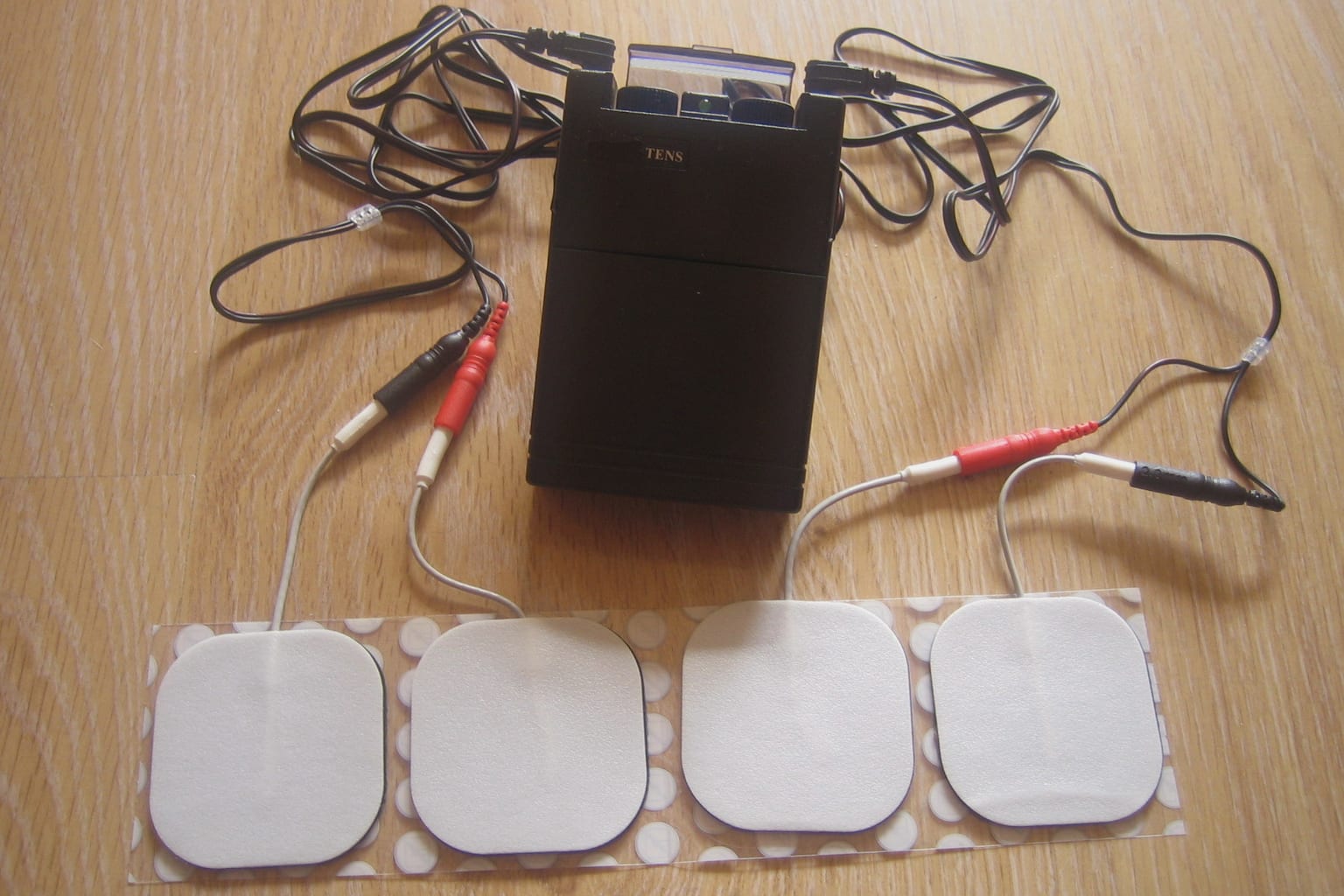
The method is transcutaneous nerve stimulation, or TNS. Small electrodes placed on the body stimulate nerves, which in turn produce a sensory response in the brain. Habituation is a constant challenge: repeated stimulation is perceived as weaker over time. The team's goal was to reduce that effect and to understand what happens in the brain during stimulation.
To follow the brain's response, the researchers used functional near-infrared spectroscopy, or fNIRS. A swimming-cap-like device carries electrodes that project infrared light into the brain and capture its reflections. These signals estimate the oxygen level in the blood, which serves as a proxy for brain activity. The technique resembles fMRI, but it works outside a scanner, so brain activity can be tracked during movement and sensory stimulation. The researchers targeted the somatosensory cortex, the region that processes touch.
The best-performing settings were 5 seconds of stimulation followed by 40 seconds of rest. The participants' perceived intensity did not decline, and these conditions stayed optimal when tested about 60 times over the 45 minutes. Imaging showed that the brain areas involved shifted during the test, even though participants reported no change in what they felt. Some press coverage described habituation as solved. The study itself is an initial one, with 10 participants, and a preprint of the work has also been posted on bioRxiv. A separate paper in the IEEE Journal of Biomedical and Health Informatics reports that the temporal parameters of stimulation significantly influenced the rate of habituation.
For patients with amputations or strokes, the gain would be a way to set stimulation so that the sense of touch stays stable, for example to keep a prosthetic grip from crushing a cup or slipping from it. For now, the work offers a method to map the brain's response and to choose parameters, but it has not yet been tested in those patients. Hu said future work will build on the optimized parameters, and no timeline or trial has been announced.
Sources — read the originals(Paris time)
Pages consulted while writing
Read next
Comments
Loading the thread…
Sign in to leave a comment. Sign in