Wearable brain interfaces are built, but reliability is the gap
A headband, a pair of sensor headphones, a baseball cap: brain-computer interfaces, or BCIs, are no longer only hospital equipment. Companies have built wearable versions for consumers for meditation, attention monitoring and cognitive training, and some claim they can flag fatigue or help people reach a state of flow at work. An analysis published by Medical Xpress takes stock of where these devices stand, and where they fall short.
The medical field is further ahead, though it is also more invasive. Implanted BCIs already allow patients with severe paralysis to communicate, use digital devices or control smart homes with their brains. Trials are exploring whether they could restore speech or drive robotic machinery, and one British patient with a spinal injury has had a BCI fitted to restore some of his body's movement. These implants require surgery, and they remain experimental.
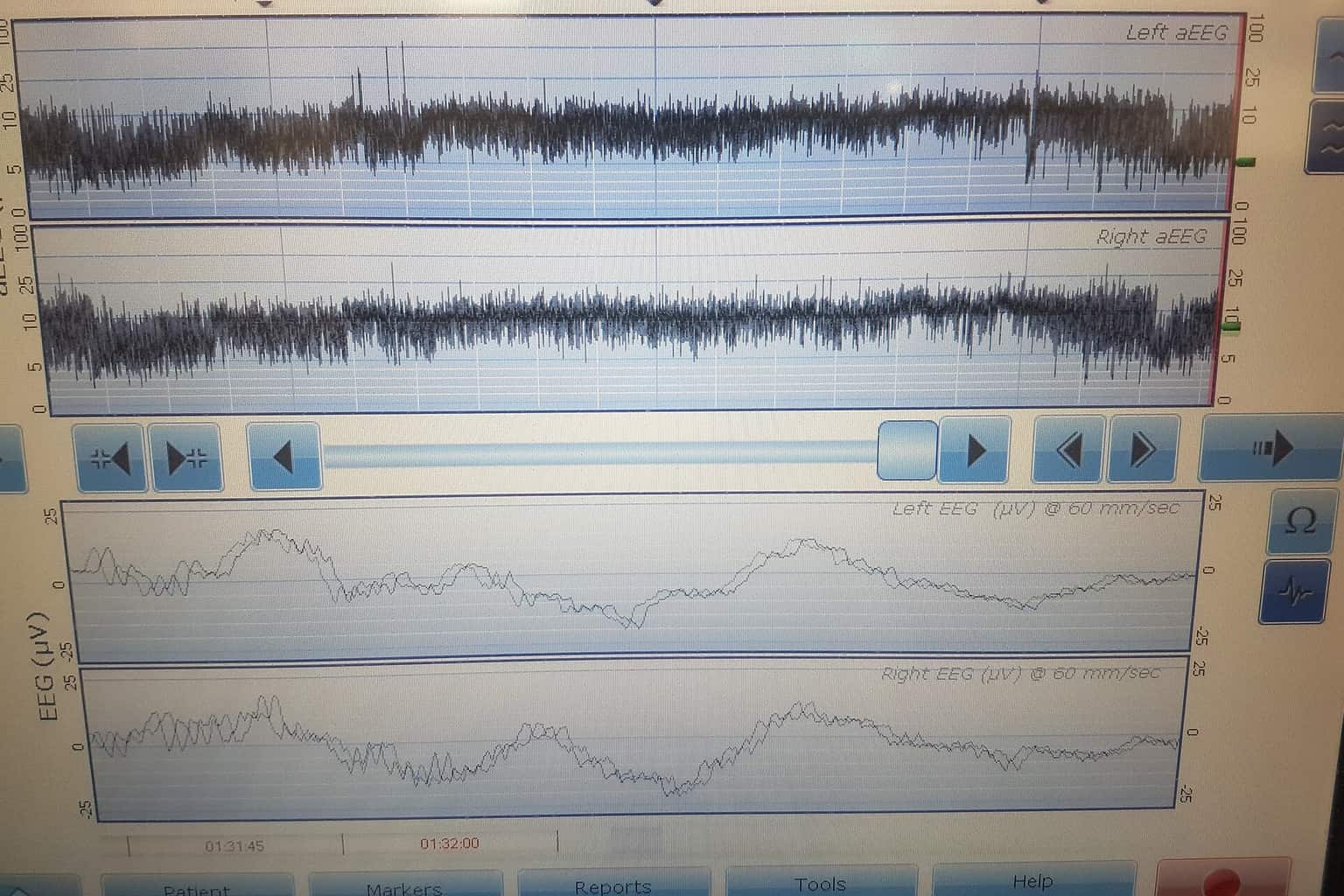
Wearables work in two ways. Sensing devices measure brain activity from outside the body, usually with EEG, which detects tiny electrical signals from the scalp, or fNIRS, which tracks changes in blood flow. Neuromodulation devices go the other way: they send electrical current or other stimulation into the brain, and can be designed to treat depression, PTSD or nerve pain. Brain-driven exoskeletons to help stroke patients regain motor function have been demonstrated repeatedly, but in research settings only.
The obstacles are mostly about evidence. Companies' claims rest on promising but relatively small studies, sometimes run by the companies themselves, and most proof-of-concept work took place under supervision, which is very different from use at home or at work. Brain signals differ between individuals, age groups, fatigue levels and environments, and they are low in amplitude and noisy. Unlike language or image AI, BCIs have few large standardized datasets to train on. The analysis calls for studies with thousands of users using devices independently over long periods. The piece gives no date for when that will happen.
For users, the gap matters most. Neurofeedback devices, which train people to self-regulate by reacting to audio or visual cues, need users to keep engaging, and subtle or slow benefits drive them away. Passive devices that adapt automatically may be easier to prove, but they raise privacy questions: EEG alone is not "mind reading", yet combined with contextual data it may increasingly reveal preferences, workload or emotional state. For consumers, the analysis says that mainstream use depends on proof that these devices work reliably, consistently and in daily life.
Sources — read the originals(Paris time)
Read next
Comments
Loading the thread…
Sign in to leave a comment. Sign in