Tiny cracks in gallium coating kill over 80% of bacteria
Cracks are usually a sign that something has gone wrong. In a coating developed at Flinders University's Biomedical Nanoengineering Laboratory, they are the reason it works. One minute of electrical stimulation from a standard 9-volt battery was enough to leave more than 80% of bacterial cells dead within three hours, in laboratory tests.
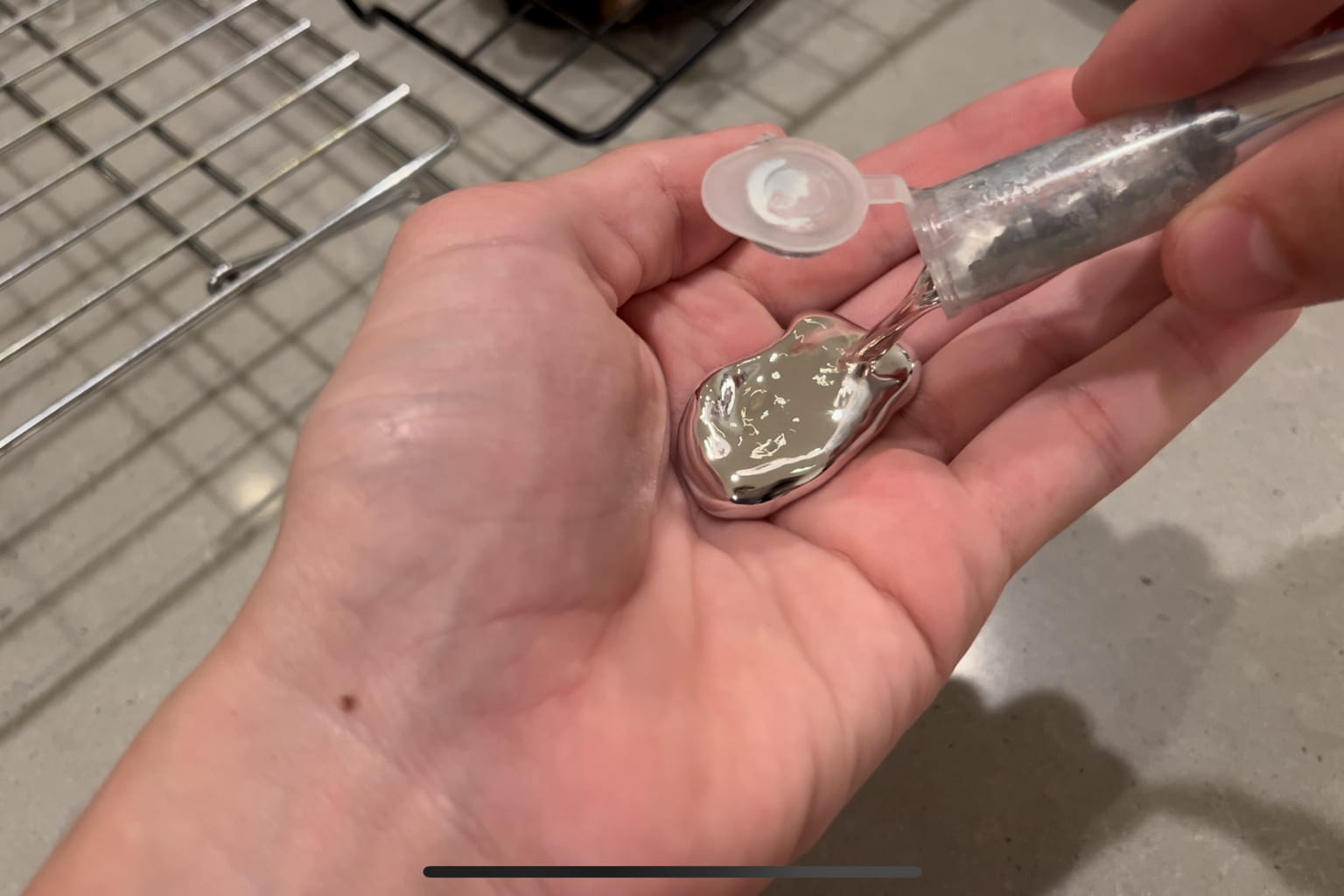
The material is flexible. It combines liquid gallium, a metal that melts near room temperature, with carbon nanotubes. As the mixture dries, microscopic cracks form across the surface on their own. Rather than weakening the coating, they concentrate electrical activity into tiny hotspots that appear to amplify its power to kill bacteria. Electrical stimulation adds stress inside the bacteria, and the coating can also generate plasma, an energised gas that produces reactive molecules known to suppress bacterial growth. "Instead of seeing cracks as defects, we've demonstrated they can be designed into materials to create useful functions," said Associate Professor Vi-Khanh Truong.
The bacteria tested were methicillin-resistant Staphylococcus aureus (MRSA) and Pseudomonas aeruginosa, both capable of serious infections, particularly in healthcare settings and in vulnerable patients. The team reports that the material stayed compatible with human skin cells under the conditions it examined. The work appears in the journal Small Structures, where the paper reports that microcrack-rich electrodes made of gallium and nanotubes outperformed copper and nanotube-free gallium electrodes at sustaining a stable atmospheric cold plasma. The university's own release repeats the same 80% and 9-volt figures.
The gallium approach is not new to the group. A 2023 review article by Truong and colleagues, Gallium Liquid Metal: Nanotoolbox for Antibacterial Applications, had already examined liquid gallium as an antibacterial tool.
For patients with wounds that heal slowly, the promise is a dressing that fights infection where it starts, with a pulse of electricity rather than antibiotics alone. The findings could also support wearable patches that pair infection protection with monitoring of heart or muscle activity, and smart textiles. None of this is near a patient yet: the laboratory results do not establish safety or effectiveness in people, and no timeline for that testing has been given. The next step is further testing, which is needed before the coating can be considered for medical use.
Sources — read the originals(Paris time)
Pages consulted while writing
Read next
Comments
Loading the thread…
Sign in to leave a comment. Sign in