Wrinkled implant surface breaks up infection biofilms
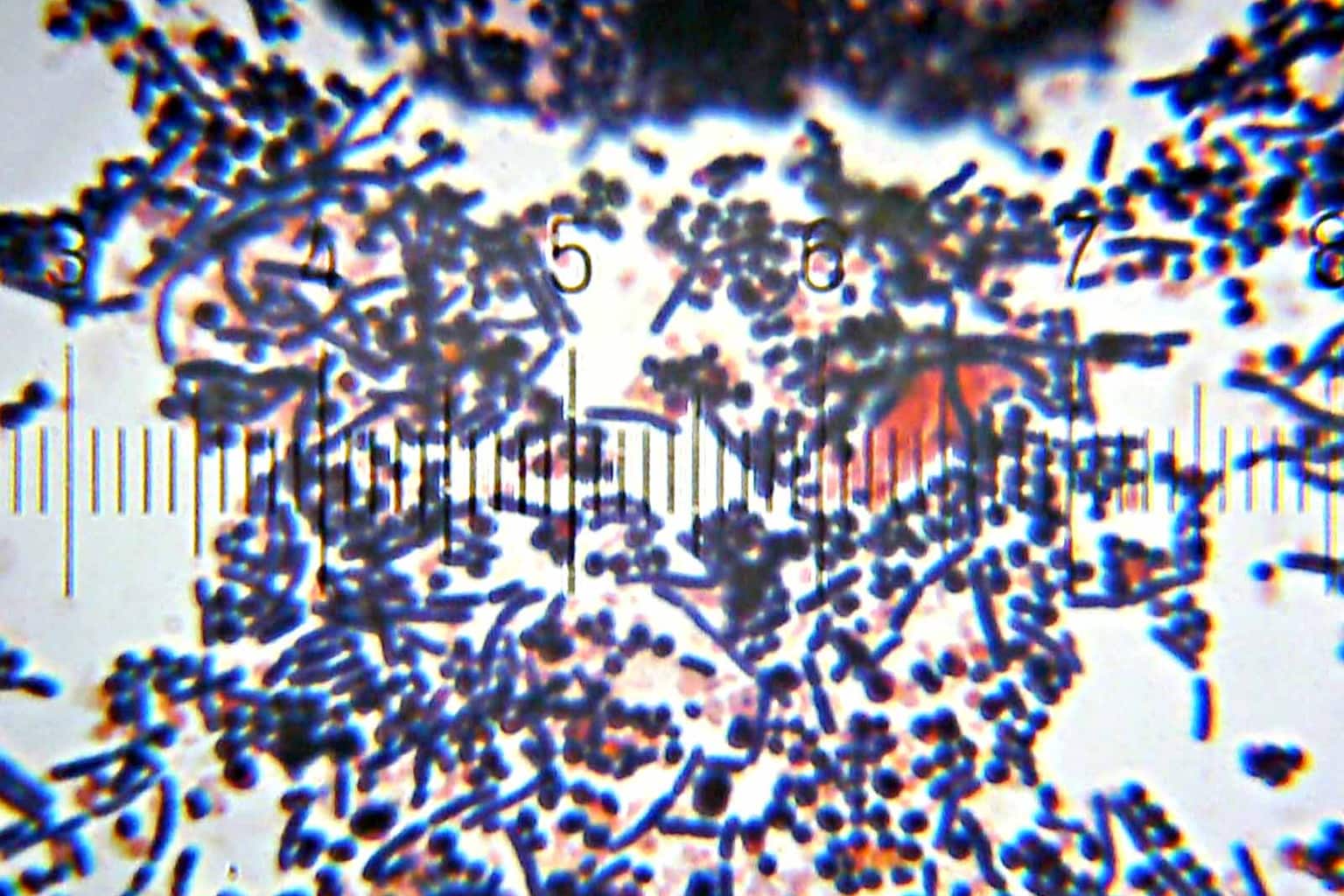
In the lab, a thin plastic film is dipped again and again into charged solutions, then baked at 130°C (266°F) until it shrinks into a surface covered in wrinkles, much like a Shrinky Dink. Those wrinkles are the first weapon of a device the University of Michigan team calls DARTS. Nano-wrinkles under 400 nanometers in wavelength sharp enough to break apart both gram-negative and gram-positive bacteria, while larger micro-wrinkles let bacteria settle between the grooves.
The second weapon is motion. A tiny metallic spring sits under a thin silicone cushion, and when current heats it, the spring contracts and squeezes the nano-wrinkled top layer together, popping bacteria off the surface. Insulation keeps that heat inside the device, so the tissue around an implant is not cooked. Cultured with bacteria, the actuated surface produced near-complete disruption and removal of mature biofilms, and it kept its shape through 200 actuation cycles.
In mice, the team implanted DARTS devices carrying Staphylococcus aureus beneath the skin. The platform was actuated 20 times right after surgery and again on days 1, 3 and 5, and after seven days the devices and surrounding tissue were collected. The actuated devices had markedly lower bacterial contamination and better local tissue outcomes than every control. These results come from animals, and the mice were studied for a single week, so they show the principle works in a living body without proving it will work in a patient.
For patients, the target is clear: joint replacements, pacemakers and catheters, where biofilm infections are hard to treat and often resist antibiotics. Min described the aim as moving beyond passive coatings to a surface that acts when bacteria build up. The next step the researchers point to is the wireless one: a near-infrared laser can already actuate the device, which could let a clinician clear buildup with a light wand instead of surgery. Until that is tested in people, DARTS remains a promising result in mice, not a treatment.
Sources — read the originals(Paris time)
Read next
Comments
Loading the thread…
Sign in to leave a comment. Sign in