Tiny solar cells use light to line up living cells
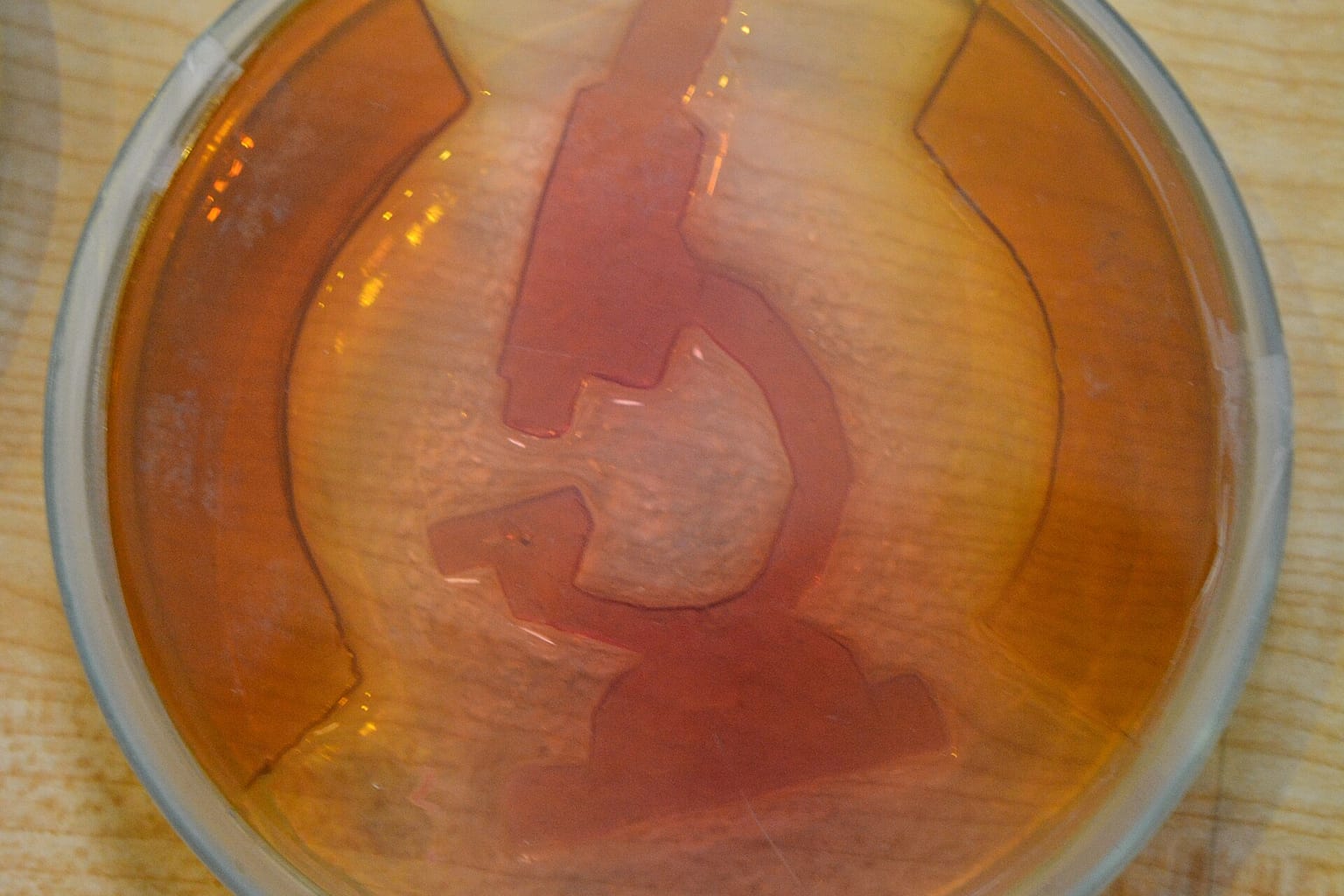
On a silicon wafer, the base material used to build computer chips, Penn State engineers dotted tiny solar cells in set patterns. They then placed fibroblasts, a common cell type found in connective tissue, on top and shone light on the system. Without light, the cells moved at random. With light, cell alignment very clearly correlated with the patterning of the photovoltaic cells on the chip.
Bioprinting builds tissue, and even whole organs, layer by layer from living cells and materials called bioink. For the tissue to grow in the right shape, those cells must be correctly aligned, and researchers have long known that a weak electrical current can influence them. The catch is that the systems used so far need bulky electronic interfaces and invasive wiring. “Traditionally, researchers have influenced alignment with tethered devices,” said Ibrahim T. Ozbolat, the Penn State professor who led the work. “In this work, we demonstrate that photovoltaic cells can wirelessly facilitate this interaction just using light.”
In a 2026 paper in Advanced Functional Materials, the team, led by doctoral candidate Yifan Tao, tested two ways of changing the layout. In the first, the diameter of the solar cells ran from just under a millimeter down to 80 micrometers, less than the width of a human hair. In the second, the diameters stayed the same and the overall shape of the pattern changed. Each cell turns light into an electric current, and changing the size, shape or spacing of the cells changes the electric field they generate. Brightness matters too: a stronger light, or a source placed closer to the sample, makes the cells more active. Tao said the team had expected some directionality, but “we were really surprised at just how much of an effect patterning had on the cells’ elongation and orientation.”
The method is far from complete control. The tests were run on a flat surface, and cell-to-cell interactions still play a part in how cells line up. For now, only solar cells placed directly beside one another can be patterned. The team hopes to test the approach in three-dimensional space, which it has not yet done.
For researchers who print tissue, the value lies in what comes after printing, when cells would otherwise drift. The next step the team names is testing more sensitive cells, such as cardiac or muscle cells, to see how the electrical influence affects their function as well as their alignment. No date has been announced.
Sources — read the originals(Paris time)
Pages consulted while writing
Read next
Comments
Loading the thread…
Sign in to leave a comment. Sign in