Tokyo waste plant starts CO₂ capture pilot in November
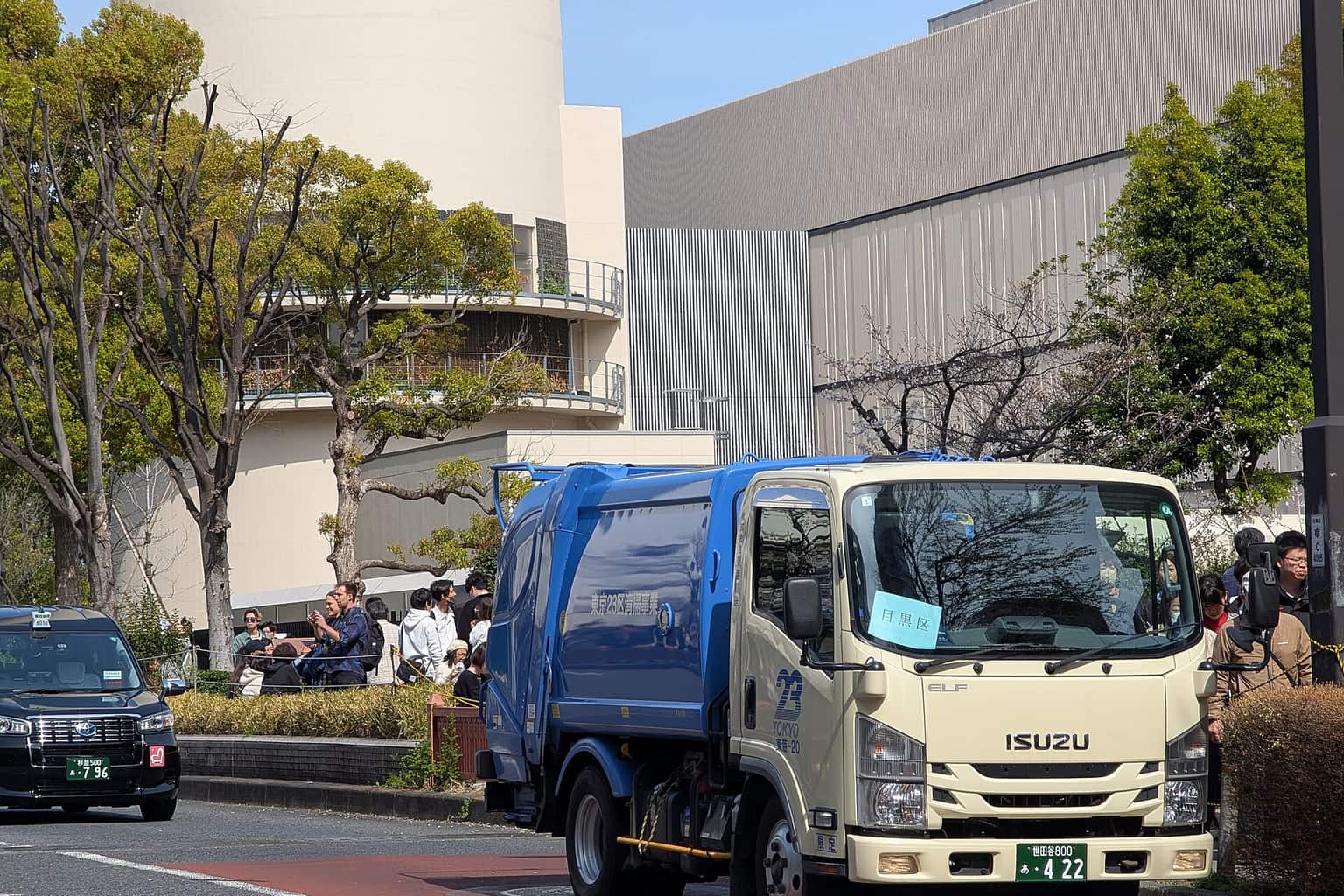
In Shinagawa City, Tokyo, a waste incinerator is about to change what happens to its smoke. Kanadevia, a Japanese technology company, has integrated a new system into the plant, and its world-first demonstration is set to start in November 2026. The pilot unit handles 2 tons of waste per day, and the company has spent nearly two years building the setup.
Conventional incinerators burn waste with ordinary air, and the nitrogen in that air dilutes the exhaust and hinders combustion. The result is flue gas with only about 8 to 15 percent CO₂. The Tokyo plant burns waste with almost pure oxygen instead and recycles part of the exhaust back into the furnace. Without the nitrogen, the company aims to raise the CO₂ concentration to 30 to 60 percent, several times higher than in conventional systems. A more concentrated stream is easier and more energy-efficient to separate, whatever capture technology is used.
The figures so far come from laboratory-scale testing: a CO₂ recovery rate of more than 90 percent, with a purity of CO₂ above 95 percent. The pilot plant's own performance is still a target. The company aims for a stable capture rate above 90 percent from CO₂-enriched flue gas over the four-year project.
Once captured, the CO₂ can be liquefied for storage or transport, or turned into methane through methanation, a chemical step that produces a fuel or industrial feedstock. The company says the plant would then keep carbon in circulation rather than releasing it, and that the system would reduce the space needed for capture equipment.
For operators of waste-to-energy plants, which already generate electricity from incineration heat, the technology would add a carbon circularity function once commercialized. The company plans commercial use only after the pilot succeeds, and the project's timeline runs four years from the November 2026 start. The company gives no cost and no date for commercial deployment, and no other plant has been named as a future adopter.
Sources — read the originals(Paris time)
Read next
Comments
Loading the thread…
Sign in to leave a comment. Sign in