VR headsets ease children's fear before surgery in a hospital pilot
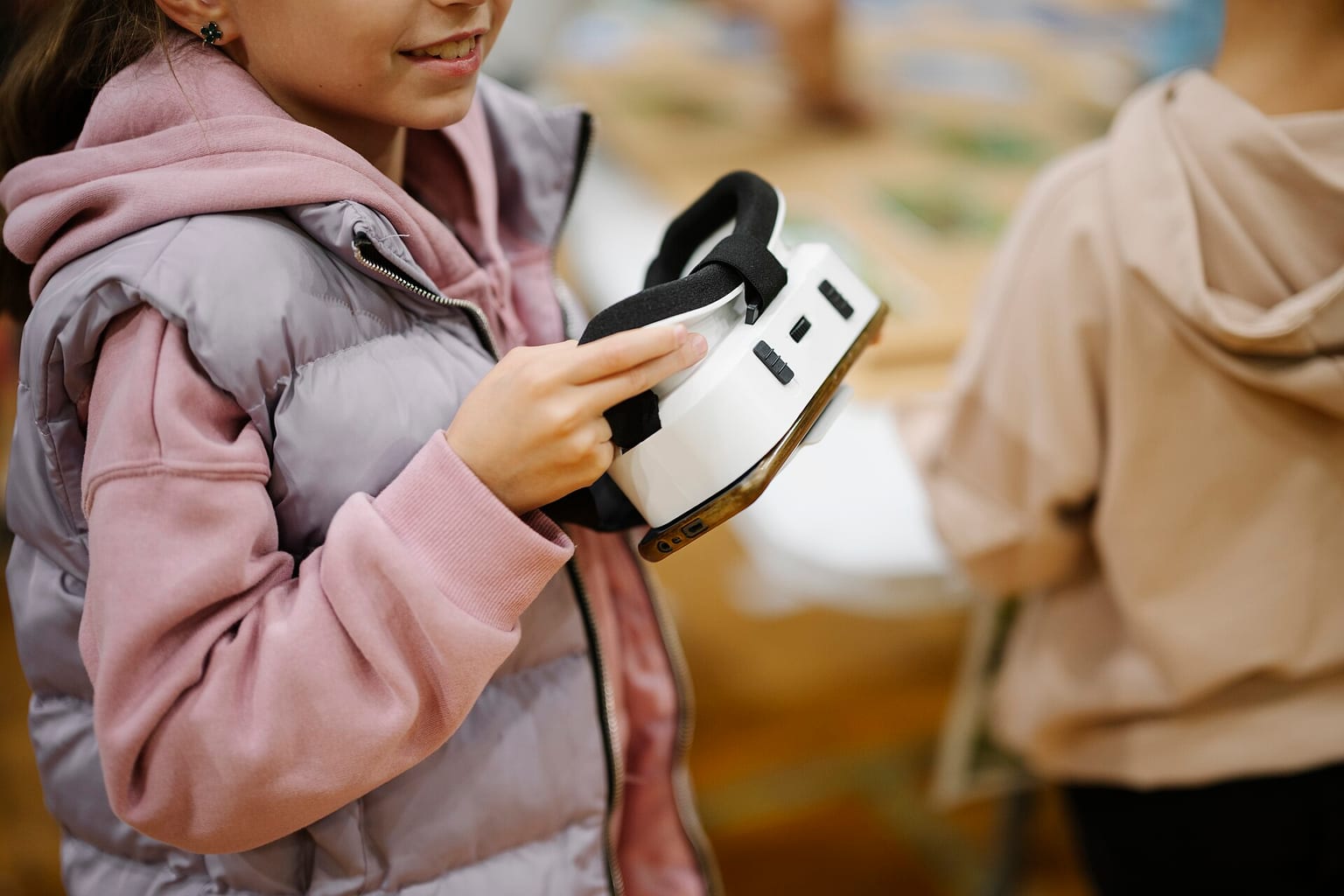
Eighty children aged 6 to 15, all scheduled for elective surgery at a U.S. children's hospital, put on a Meta Quest headset and stepped into a calm virtual room, either an interactive children's room or a beach scene. Before and immediately after each session, their distress, fear, heart rate and blood pressure were measured. The experience ran over nine months.
Presurgery anxiety affects an estimated 50% to 75% of children undergoing surgery, and it is linked to difficult anesthesia induction, postoperative pain and prolonged recovery. Sedation drugs are commonly used against it, but they carry risks. Non-drug alternatives such as therapeutic play, music therapy and VR have shown promise, though real-world data on them have been limited.
The measured changes were consistent. Median self-reported distress fell from 3.0 to 1.0 on a 0–10 scale, and fear from 1.0 to 0.0 on a 0–4 scale, both with p<0.001. 46 of 80 children (57.5%) met the threshold for clinically meaningful improvement in distress, and 44 of 80 (55.0%) in fear. Heart rate fell by an average of 5.8 beats per minute, and systolic blood pressure by 4.1 mmHg. Most children, parents and nurses rated the experience positively.
The authors are careful about what these numbers prove. With no control group, the drop in distress and fear cannot be attributed to VR alone; part of it may reflect natural change over time, particularly among the children who were most anxious at the start. Lead author Walaa S. Abu Rukbah, a pharmacist, put the goal simply: "Sometimes, the best support we can offer a child before surgery isn't a medicine at all." The team concludes that VR was feasible and safe in this real-world setting.
For children, parents and care teams, the gain is practical. Nine in ten children wanted to use the headset again, nearly every parent would recommend it, and all 29 nurses involved said they would recommend it for other children. The program was refined over the nine months based on feedback from children, parents and nurses. Wijesinghe describes a controlled trial as the essential next step, and the authors describe VR as a promising candidate for inclusion in pediatric care, pending that research.
Sources — read the originals(Paris time)
Read next
Comments
Loading the thread…
Sign in to leave a comment. Sign in