VW's Hefei-Developed VEGA Platform Cuts Compact EV Costs 40%
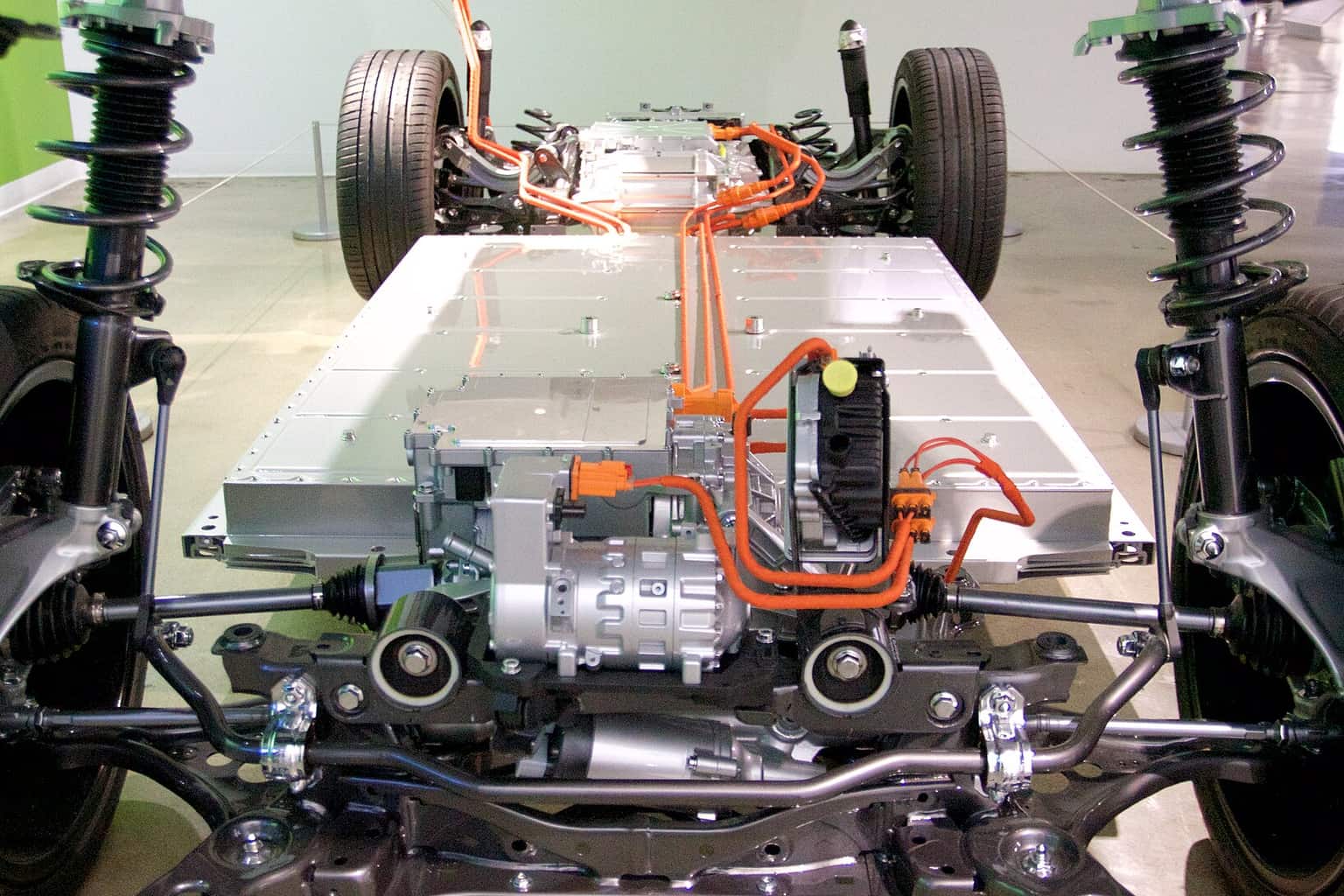
At the first Volkswagen Group Technology Day, a technology foundation called VEGA was unveiled. It brings the vehicle platform, electrical/electronic architecture and advanced driver assistance systems into a single framework, and this time the development was led by a local Chinese team. In the past, Volkswagen's MLB, MEB and other platforms were mostly developed in Germany before being introduced to China.
VEGA consists of three modules. The CMP and CSP, two major new energy vehicle platforms, handle the body and model coverage; the CEA electrical/electronic architecture connects the vehicle's intelligent capabilities; and HS8 is responsible for mass-producing advanced driver assistance. CEA uses a central computing plus zonal control structure, with software taking the lead. It offers more than 70 flexibly callable “atomic services”, which can be used across battery-electric, plug-in hybrid and combustion-engine models.
The figures are the most direct measure of this system's success. Volkswagen says compact battery-electric models built on the CMP platform and the CEA architecture could cost 40% less than those on the earlier MEB platform, and reach the market 30% faster. In software development, with its in-house C-Brain toolchain, the time needed for software functional testing has been cut from 48 to 72 hours to 2 to 3 hours, with efficiency gains of up to 36 times. The CSP-based battery-electric models have a CLTC range target of about 800 km, and under the 850V high-voltage architecture, charging from 10% to 80% takes as little as 13 minutes. These figures come from Volkswagen's announcement; the range is a target value, and the cost is described as “could be reduced”.
For users and carmakers, the change lies in the timetable. In 2026, CEA has been fitted in five battery-electric models, including the Yuzhong 06 (与众 06), Yuzhong 07 and ID. ERA 5X, and HS8 has begun rolling out in seven new energy models from Volkswagen's three joint ventures in China. Overseas, Volkswagen and Jetta models built in China have begun exports to the Middle East, Uzbekistan, Kazakhstan and Africa, and the plan for 2026 is to enter seven overseas markets. Volkswagen's goal is to export at least 300,000 China-made vehicles a year by 2030, working with SAIC, FAW and JAC. Volkswagen Automotive Research & Development China (VCTC) in Hefei is already the group's largest research and development centre outside Germany, and the CMP platform it is responsible for will be adapted into the global GMP platform.
The next steps are autonomous driving and overseas technology transfer. Volkswagen plans to achieve technical readiness for Level 3 autonomous driving functions in 2027, and by 2029, CEA 3.0 is expected to support Level 4 autonomous driving development. On technology transfer, Volkswagen says South America will become the first overseas region to adopt China-developed technology in its locally produced models before 2030, with South Africa and other markets to follow.
Sources — read the originals(Paris time)
Read next
Comments
Loading the thread…
Sign in to leave a comment. Sign in