World's largest battery-electric ferry enters service on River Plate
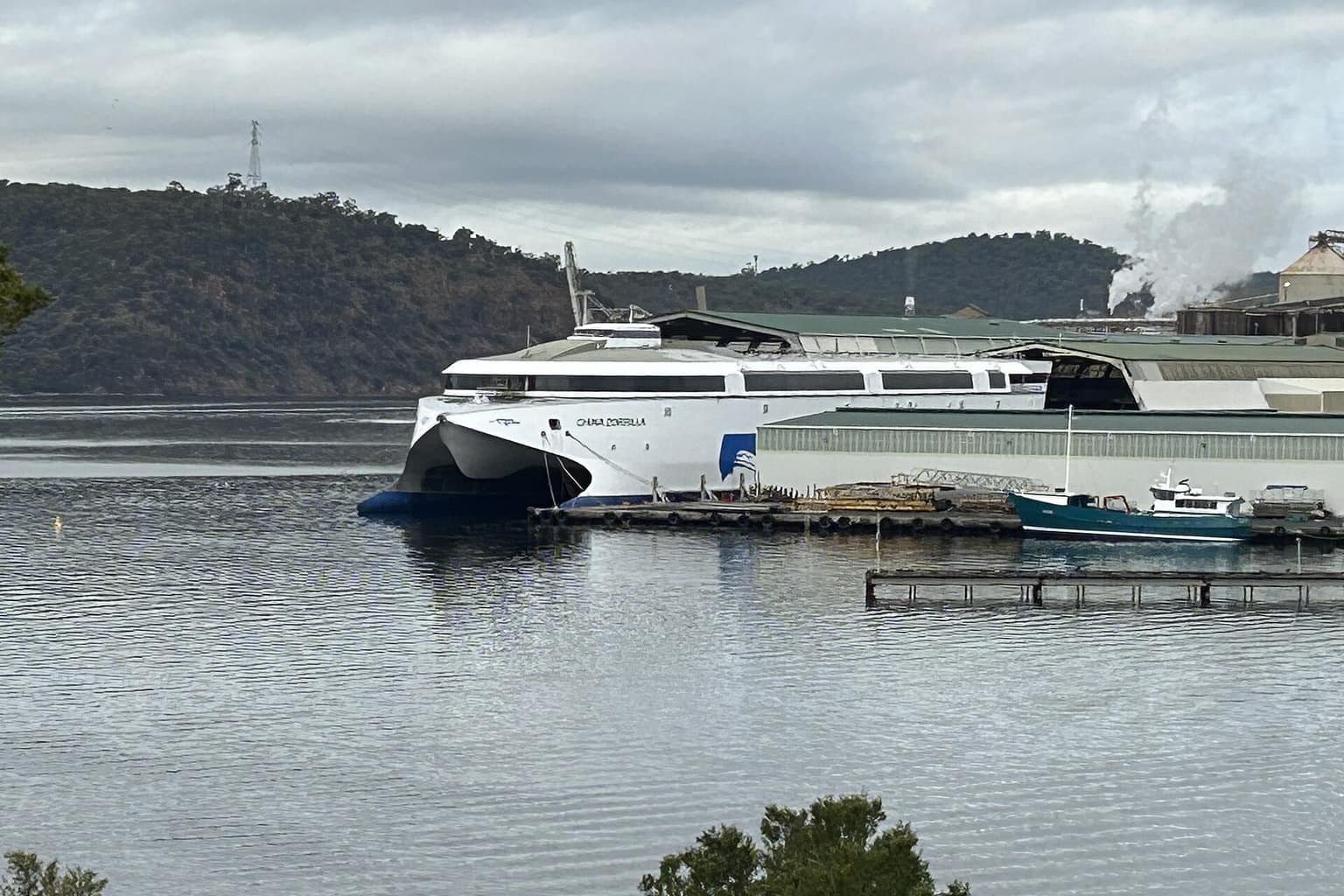
Passengers who board China Zorrilla in Buenos Aires now cross the River Plate on a ship that runs entirely on batteries. The vessel completed its maiden commercial voyage between Buenos Aires and Colonia, Uruguay, a 55 km crossing, after an official launch ceremony on 21 October. The first passenger crossing came right after that ceremony, attended by Incat's managing director Craig Clifford, representatives of Buquebus and maritime authorities from both countries.
At 130 meters long, China Zorrilla is described as the world's largest battery-electric ship. It carries more than 250 tonnes of batteries, with an energy storage system exceeding 40 MWh (megawatt-hours, a unit of stored energy). That store feeds eight electrically driven waterjets that propel the vessel. The ship can carry up to 2,100 passengers and 225 vehicles, and its passenger areas include a duty-free retail space of about 2,300 square meters.
The first difference shows on board. Craig Clifford, who traveled on the first commercial voyage, said the absence of machinery sounds and vibration stood out most. “On Hull 096, that familiar engine noise and vibration simply aren’t there,” he said. Chairman Robert Clifford went further, arguing the ship shows that large passenger and vehicle ferries can use electric propulsion in commercial service, “without the traditional diesel-engine noise, vibration or exhaust emissions.”
The ship is the culmination of one of Incat's most technically complex construction projects, built over years at the same Hobart yard in Tasmania. Robert Clifford credited the Tasmanian workforce with overcoming the engineering challenges of building a battery-powered ship of this size, calling it “a truly historic day for Incat, for Tasmania and for the global maritime industry.”
For Buquebus, the milestone puts a battery-electric vessel on the Buenos Aires–Colonia route, carrying travelers and vehicles across the River Plate in regular service. The next step is already under way at the same yard: Incat is building three 129-meter battery-electric ferries for the Danish operator Molslinjen, along with two 78-meter hybrid-electric vessels.
Sources — read the originals(Paris time)
Read next
Comments
Loading the thread…
Sign in to leave a comment. Sign in