Zebrafish lacking neurexin genes develop mental-health-like traits
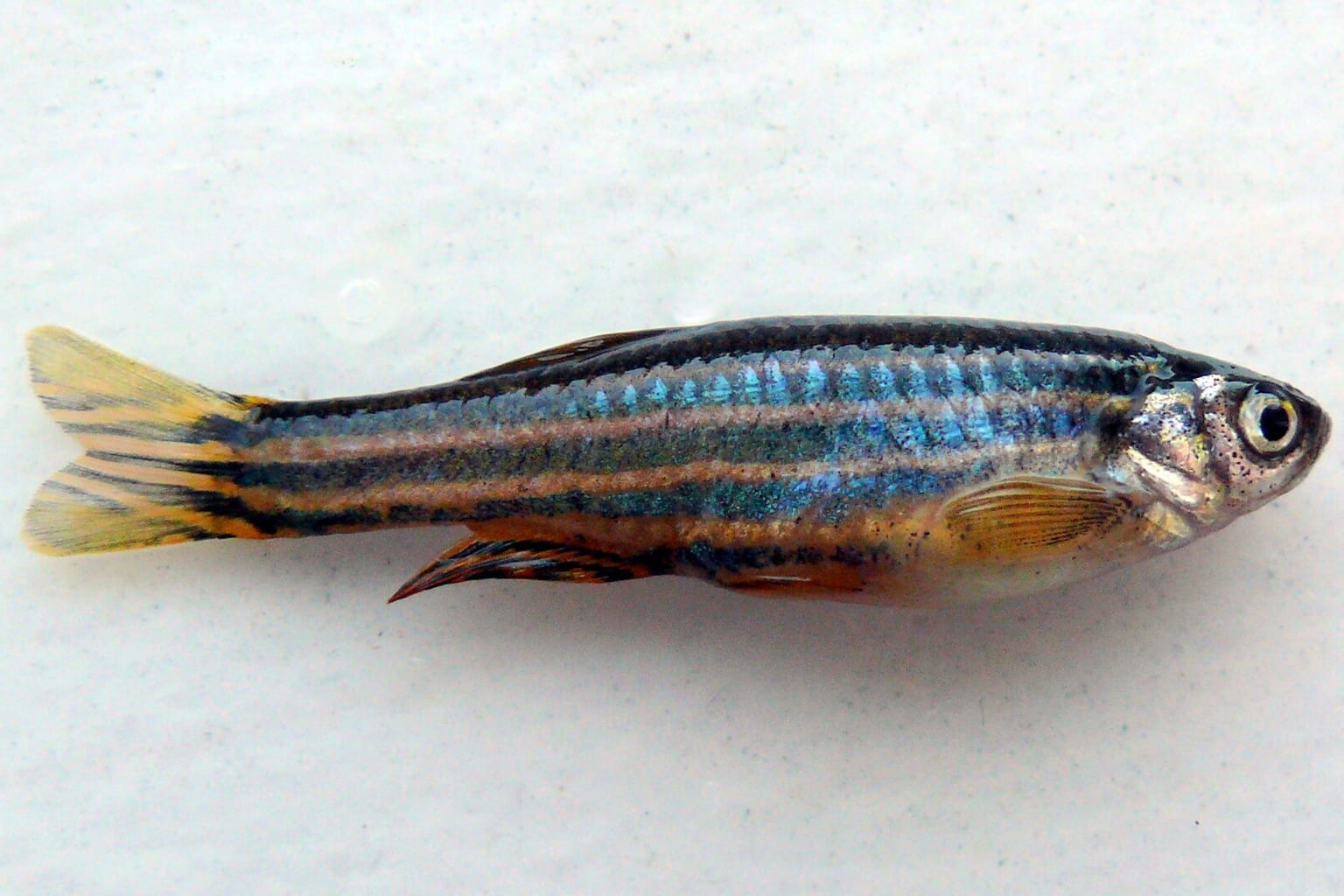
Zebrafish look normal for their first weeks of life. Then, as they mature, the changes begin. Researchers at Griffith University's Institute for Biomedicine and Glycomics have built the world's first complete collection of zebrafish lacking members of the neurexin gene family, one of the strongest groups of genes associated with psychiatric disorders.
The fish show no obvious changes in brain development or behaviour during early development. Their behaviour changes later, at the juvenile stage. The fish develop profound, permanent and highly specific changes in social behaviour, anxiety and aggression, and these changes appear with a timing that the team describes as strikingly similar to the course of the human disease. Dr Jean Giacomotto said the findings challenge assumptions about the biological complexity needed for mental-health-related behaviours. “Changing a single family of genes was enough to profoundly and permanently reshape how these animals interact with others,” he said.
Until now, the silent changes that come before symptoms were hard to observe. The models give the team a way to trace them. Giacomotto said the researchers can now work backward to identify when brain circuits begin to diverge, what triggers that transition, and whether intervention is possible before, or after, severe behavioural changes appear.
For patients and drug developers, the practical use lies in testing. The team describes the models as a platform for searching for treatments that could prevent, delay or reverse these changes. The study itself does not report any treatment results, and the researchers give no timeline for such tests. The work is at the laboratory stage, in an animal model, and its findings still have to be confirmed in other systems.
The team's stated goal is to move “from genes, to mechanisms, to treatments.” The next step is to use these fish to find out which brain circuits change first, and whether that change can be stopped.
Sources — read the originals(Paris time)
Read next
Comments
Loading the thread…
Sign in to leave a comment. Sign in