A coin-sized sensor tracks plant stress live, in greenhouse tests
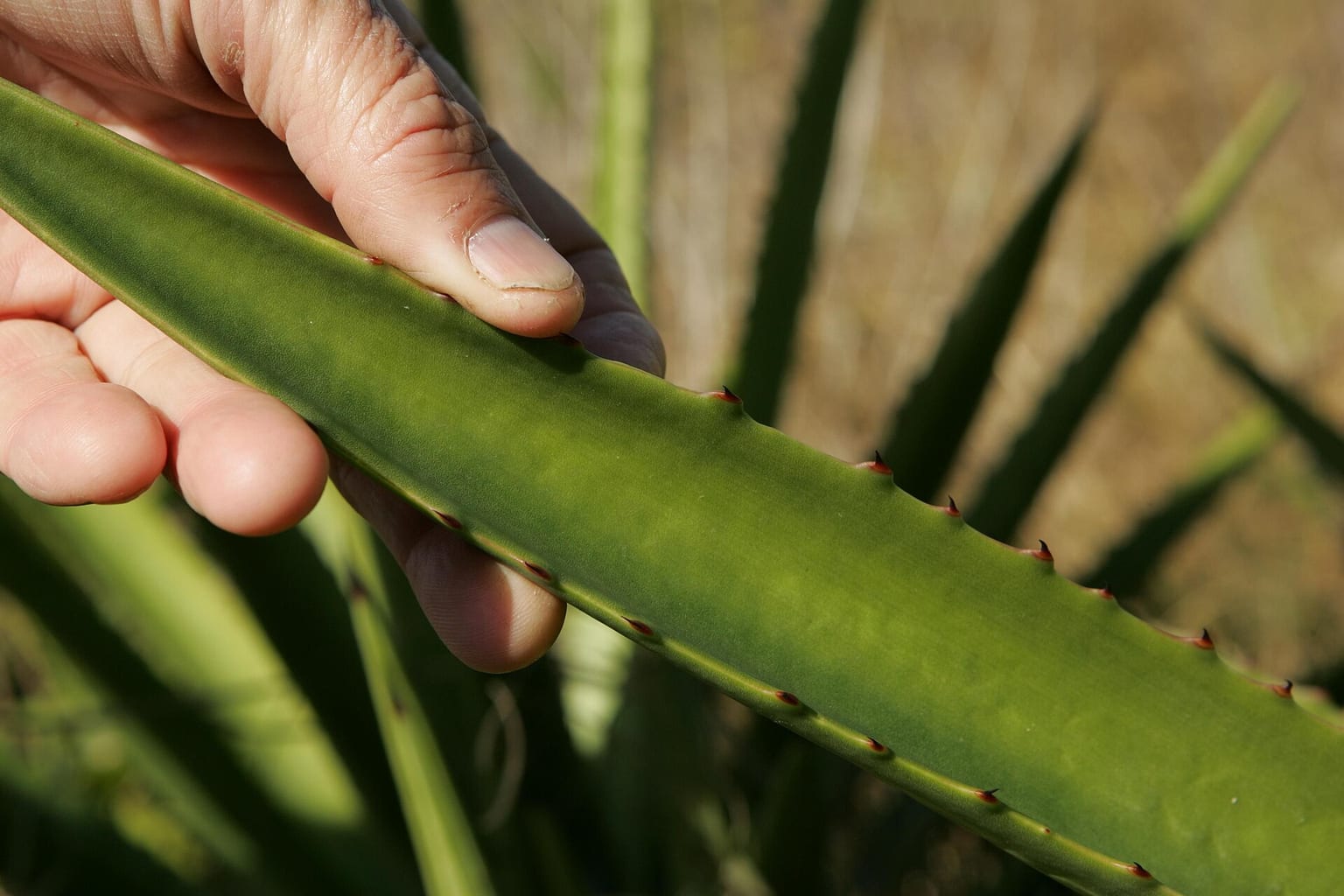
A coin-sized device rests on the leaf of an aloe vera plant in a greenhouse. When the team switches on intense light, hydrogen peroxide inside the leaf starts to climb almost immediately. The sensor records it continuously, without serious injury to the plant.
Plants make small amounts of hydrogen peroxide all day, and the molecule helps them switch on their defenses against fungi and bacteria. Under stress, such as too much heat or light, cells can release a surge of it, and at high doses it damages tissue. Measuring that surge has been hard: scientists usually had to cut pieces from the plant, which causes the very harm they wanted to avoid. The team, led by senior author Khaled Salama of King Abdullah University of Science and Technology (KAUST) in Saudi Arabia, took a different route. They used a laser to turn a material into a graphene sensor for hydrogen peroxide, placed it in a device about the size of a coin, and fitted it with needles 0.4 millimeters wide. The needles draw small amounts of fluid from inside the leaf, and they are fine enough not to cause serious injury.
The experiments, published on November 12, 2026, in Cell Reports Physical Science, show how strongly the plant responds to its environment. At a normal growing temperature of 19 degrees Celsius, hydrogen peroxide rose almost as soon as the bright lights came on. At 28 degrees Celsius, the surge was larger. In both cases, levels fell back after about an hour. The authors say this sensitivity could matter for many crop species as heat waves become more common.
For farmers in arid regions, the practical value would be early warning. A device that reports stress as it builds could tell a grower when a crop is struggling. That is the stated aim of the team, and the study does not yet show it working on a field crop. Mundummal says the work moves plant health monitoring toward direct measurement of physiological signals, rather than relying on visible symptoms.
The next step is clear: the team has to test the design across a range of plant species before the device can be used on farms. Until then, the sensor's results come from aloe vera grown under controlled greenhouse conditions.
Sources — read the originals(Paris time)
Pages consulted while writing
Read next
Comments
Loading the thread…
Sign in to leave a comment. Sign in