Graphene sensors track corn growth every 10 minutes in greenhouse
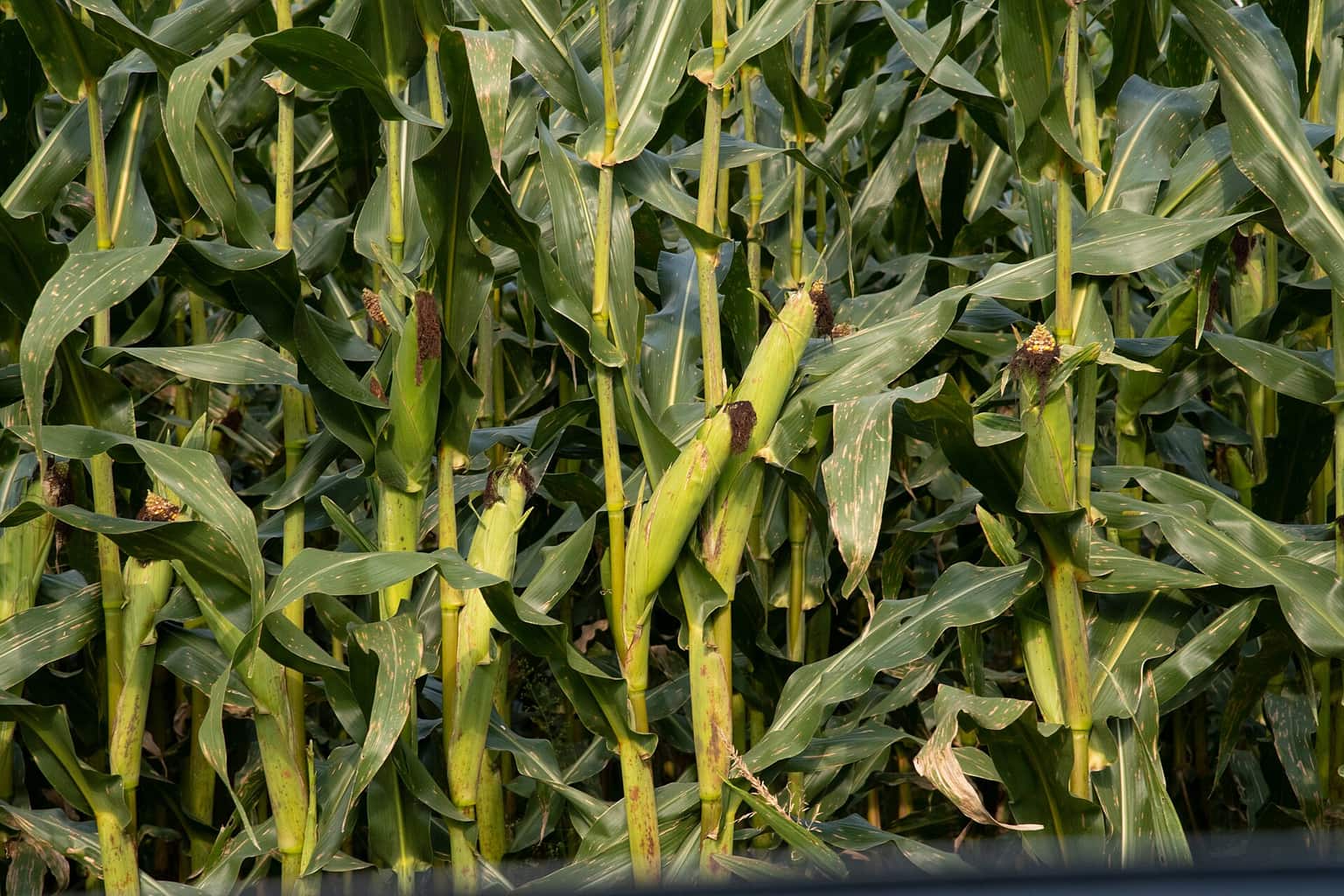
Corn plants have been measured by hand for a long time, and the measurements are coarse. A researcher walks the rows, notes what he can see, and comes back the next week. At South Dakota State University, a sensor now sits on the ear of a growing corn plant and records its diameter every 10 minutes, a rhythm that no one had been able to follow on a cornstalk or ear before, according to the team.
The sensors come from the lab of Mazhar Sher, a biosensors engineer and assistant professor in the Department of Agricultural and Biosystems Engineering, who began this work in August 2022 after arriving at the university. The core material is laser-induced graphene. Graphene was first isolated as a single-layer sheet in 2004 by Andre Geim and Konstantin Novoselov at the University of Manchester, work that earned them the 2010 Nobel Prize in physics. Laser-induced graphene is a more practical route: a laser turns a commercial polyimide sheet into porous graphene. According to Sher, the material combines high electrical conductivity, a large surface area, flexibility and high sensitivity, which makes it suited to sensing.
The engineering problem was keeping contact with a plant that keeps getting thicker. The team attaches the graphene to a food-grade silicone band. As the plant grows, the graphene bends, and the band keeps it in contact with the stalk or ear. A spring mechanism lets the band stretch so that it does not restrict growth. Sikander Ameer, a doctoral student who graduated in December 2025, optimized the laser power and scanning speed, which Sher says raises sensitivity and reduces defects. Chamika Kuruppuarachchi, a master's student, then built the plant-wearable devices and the electronics that collect and store the data.
For breeders and agronomists, the value is in the time series. A sensor that shows when a plant starts to respond to a fertilizer, or how a treatment changes its growth curve, gives them more than a single end-of-season measurement. The team says the sensors are not meant for farmers' fields yet: the intended users are breeders and agronomists, who would then turn the findings into recommendations. The next step is field trials in SDSU test plots, and the team has yet to secure the funding to carry them out. Sher also hopes to patent the technology.
Sources — read the originals(Paris time)
Read next
Comments
Loading the thread…
Sign in to leave a comment. Sign in