A map traces over a million cells in mouse embryo development
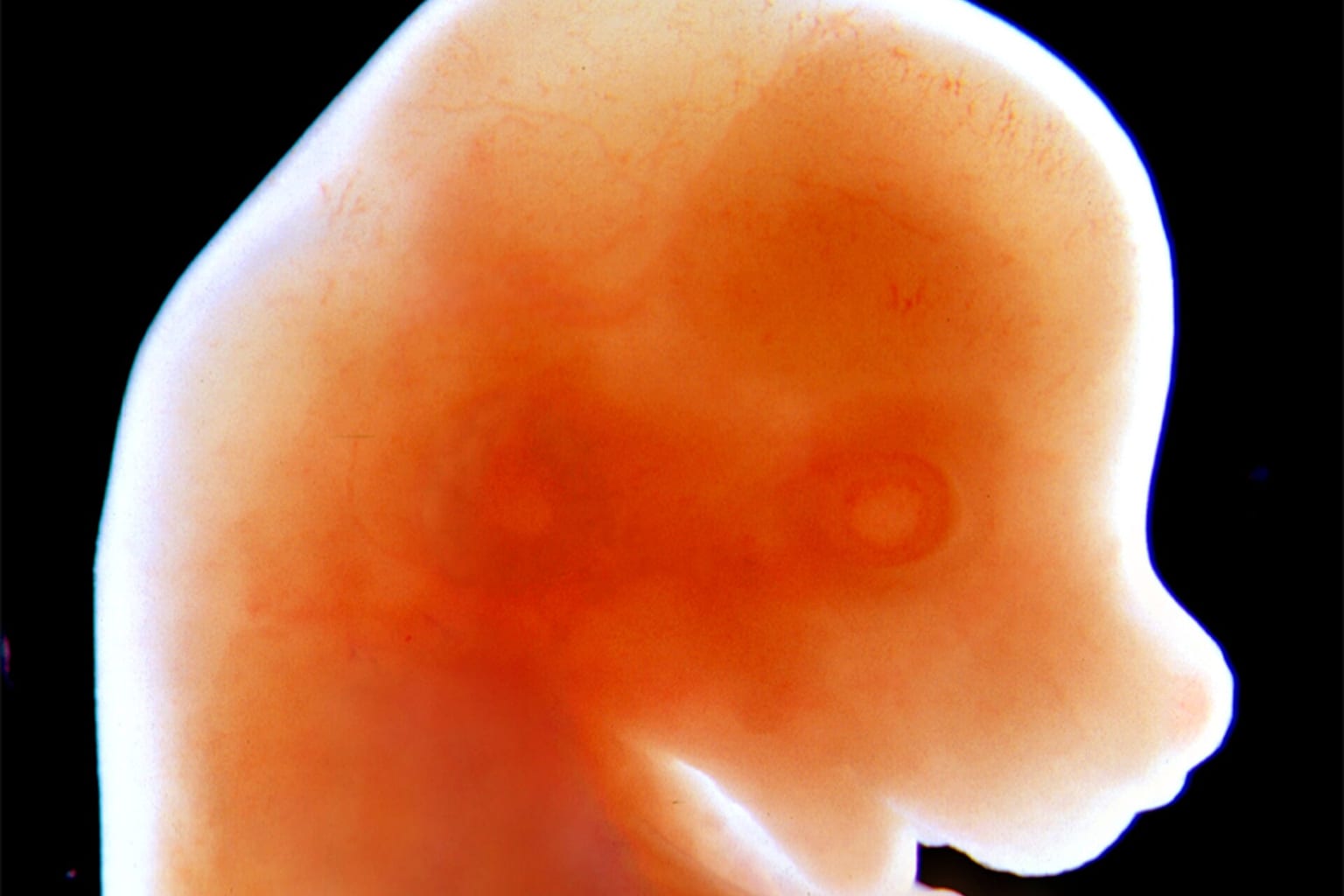
Scientists have long looked at embryos one frame at a time: a developing brain here, a heart taking shape there. In a study published Oct. 8 in the journal Cell, the lab of MIT professor Jonathan Weissman set out to film the whole sequence, following the family history of over a million cells as a mouse embryo develops, cell by cell.
The tool is PEtracer, built in the Weissman lab, and the team describes it as a kind of flight recorder inside each cell. It makes small, heritable changes to DNA that are passed on as cells divide. Read later, those marks let researchers work backward and rebuild which cell came from which ancestor: a family tree for the embryo. The team combined these trees with the genes switched on in each cell and with each cell's position in the embryo, so it could follow not only where cells end up but when they start heading toward a fate.
The approach is related to another method. A study from Jay Shendure's group at the University of Washington, published at the same time in the journal Science, uses a technique called DNA Typewriter to record cell divisions in mouse embryos. The Weissman team's difference lies in timing: it studied embryos at closely spaced stages, several embryos per stage, which lets it check how consistently cells follow the same paths from one embryo to another. The timeline also shows how many early cells go on to form a given tissue, and how they finally contribute to an organ.
The stakes are concrete. Many birth defects come from cells changing course while tissues are being built, and a reference map of typical development could show where and when those steps go wrong. In cancer, the same approach could trace when cells acquire spreading or drug resistance. For stem cell biologists, the prize is a recipe. Graduate student William Colgan, co-first author of the paper, calls a step-by-step recipe for every cell type in the body “incredibly powerful for stem cell biology.” Weissman compares the work to the Human Genome Project: the genome gave scientists the ingredient list, and this map is meant to supply the instructions.
For researchers working on birth defects, cancer and stem cells, the map becomes a reference to compare against. Postdoc Luke Koblan, also a co-first author, says the lab hopes “to better understand how cancer cells change in ways that help them spread or resist treatment.” The team gives no date for those applications, and the study itself covers mouse embryos.
Sources — read the originals(Paris time)
Read next
Comments
Loading the thread…
Sign in to leave a comment. Sign in