Adding one protein improves chromosome sorting in aged mouse eggs
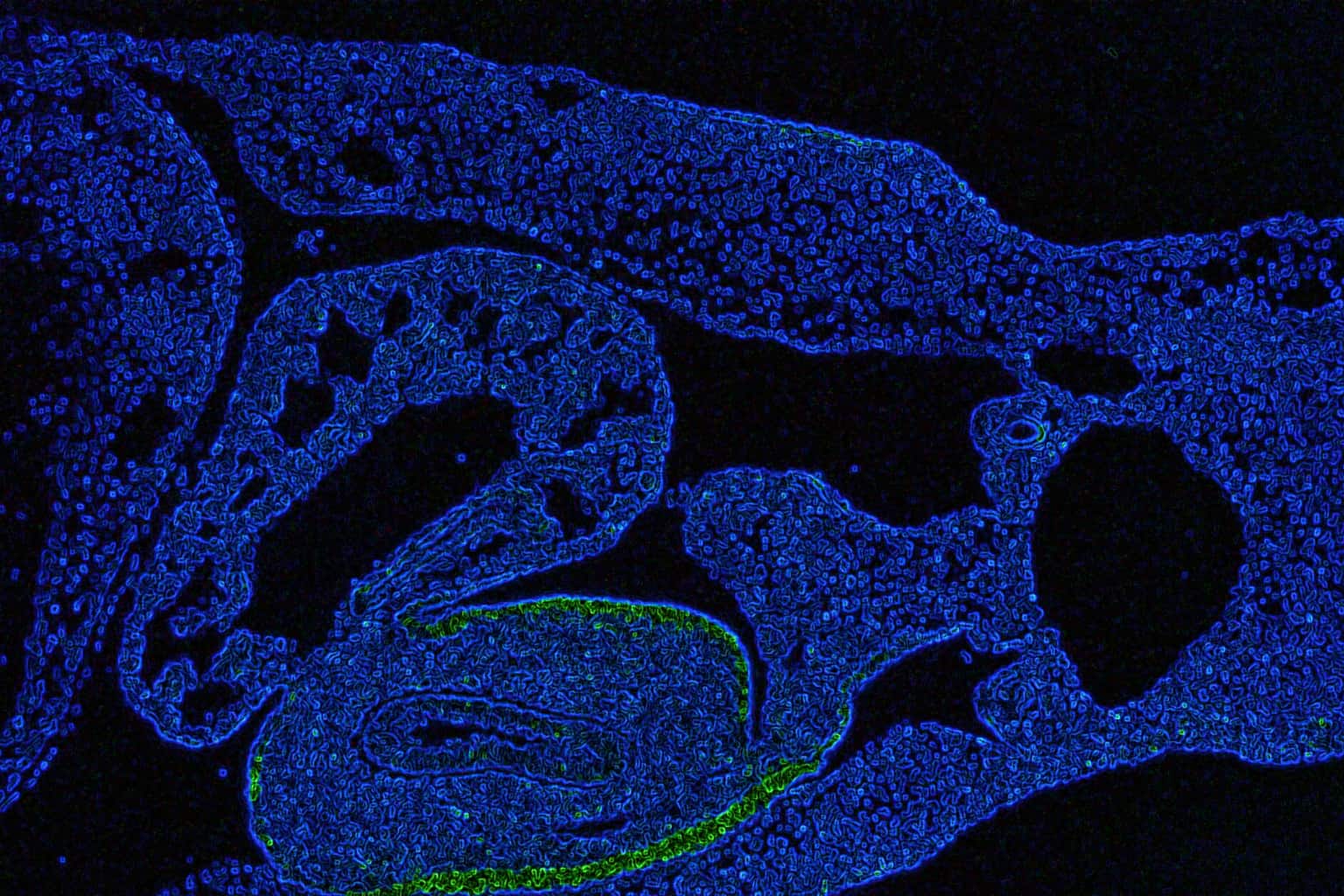
Inside a mouse egg, chromosomes must line up on a microscopic spindle and split in exactly the right way before fertilization. In older mice, that sorting goes wrong more often. A team at Yale has now found one of the reasons, and shown that part of the damage can be reversed in aged eggs.
Eggs must halve their chromosome number so that fusion with a sperm restores the correct count for healthy embryo development. The machinery that does this depends on centromeres, the specialized regions that connect each chromosome to the structure that separates it. The Yale team, led by Binyam Mogessie, had already shown that aging weakens the molecular glue holding chromosomes together. What was unclear was how other defects combine with that weakness, and it was hard to test in naturally aged eggs, where many things change at once.
The researchers combined studies of naturally aged mouse eggs with experiments that recreate features of aging in young eggs within hours. They used targeted protein degradation to reduce CENP-A in young eggs, then tracked chromosome movement with high-resolution live microscopy. Aged eggs had lower levels of CENP-A and CENP-C at their centromeres. Reducing CENP-A by the same amount lost during natural aging was enough to misplace chromosomes and make them lag during division. Supplying extra CENP-C partly corrected these defects, but only when CENP-B was present, which shows that the three proteins work together. Supplying extra CENP-C to naturally aged eggs also improved chromosome positioning.
For people who struggle to conceive, the result opens a research direction rather than a treatment. Mogessie says it could help preserve egg quality and improve assisted reproduction, including in vitro fertilization (IVF). He also points to a broader problem: the reproductive window is narrowing as many women establish careers first. "Extending healthy reproductive life by even a few years could give people greater freedom to decide whether and when to have children," he said. The next step he describes is to understand how centromere weakening interacts with other age-related changes, so that future treatments can address several sources of dysfunction together. The study was done in mice, and the authors give no timeline for work in humans.
Sources — read the originals(Paris time)
Read next
Comments
Loading the thread…
Sign in to leave a comment. Sign in