An automated line in Italy recycles up to 120 solar panels an hour
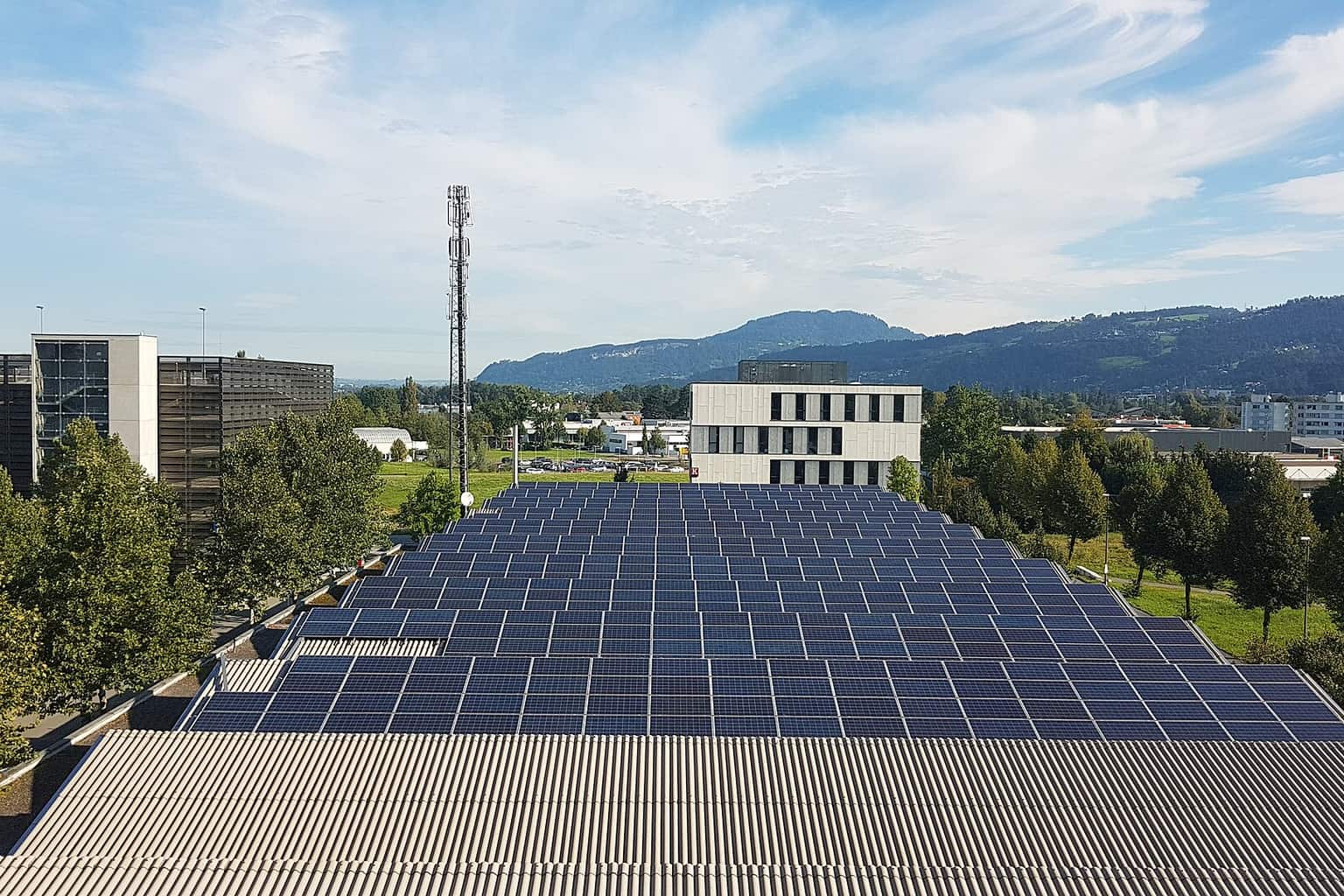
In Sale, in northwestern Italy, a line of machines now takes apart solar panels that have reached the end of their life. Since early 2025 it has been running at a recycling and waste treatment plant, and it can process 120 solar panels each hour, or about 4 tonnes. Ecoprogetti, the Italian maker of photovoltaic (PV) equipment that built it, delivered the line to Haiki+ Group, an Italian circular economy and environmental services company.
The difficulty lies in the mix. A module combines glass, aluminium, silicon, copper and plastic, and each must be separated without contaminating the others. Ecoprogetti runs the panels through stages in sequence: automatic recognition, removal of the junction box (the electrical box fixed to the back) and of the frame, flipping, then glass removal with a patented air-based system, followed by shredding, separation and collection. The company says this design minimises cross-contamination and keeps the recovered materials of good quality.
The results Ecoprogetti shared with pv magazine show conversion rates of 100% for aluminium and junction boxes, 99% for copper, glass and plastic, and 95% for silicon. Purity reaches 100% for aluminium and junction boxes, 99% for glass, and 98% for copper and silicon, with plastic at 88%. The line takes mono and polycrystalline panels, double-glass and bifacial modules, and panels that are broken, hail- or fire-damaged, corroded, delaminated or simply old.
These are the company's own figures. The 94% uptime is what Ecoprogetti reports, and the company calls it one of the highest in the industry. The 700,000 tonnes a year is a nominal potential if the line ran continuously; it is not a recorded annual output. No independent test is cited for the conversion rates.
For a recycler, what changes is the range of panels one machine can take. Ecoprogetti claims it is the only solution on the market that processes conventional and double-glass modules with the same equipment, without additional machinery or investment. Marco Manfron, its managing director, calls the Sale installation ‘a tangible leap forward compared to previous solutions’, because it handles large volumes while reducing machine downtime. The line has been in service since early 2025, which is where that claim now has to hold.
Sources — read the originals(Paris time)
Read next
Comments
Loading the thread…
Sign in to leave a comment. Sign in