Bamboo could make fuel for $2.75 a gallon, researchers calculate
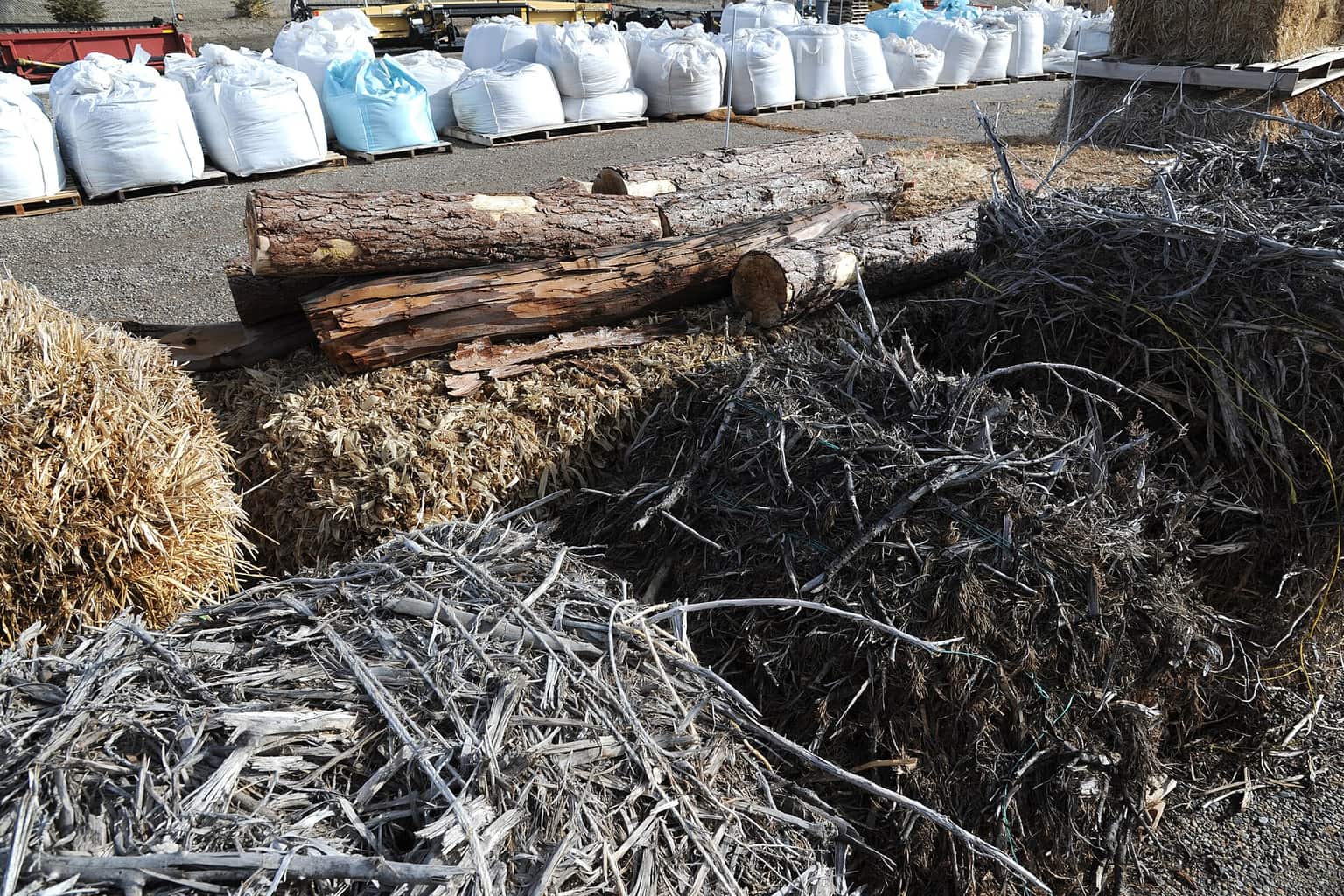
Fuel prices are high, and Michael Timko, a chemical engineering professor at Worcester Polytechnic Institute, has a proposal that starts with a grass. Bamboo is one of the fastest-growing plants on Earth, with some species adding several dozen inches in a single day. Timko and his colleagues now argue that this growth could feed transport fuel, at a cost they put at as little as $2.75 per gasoline-gallon equivalent at mature commercial scale. The figure comes from the team's own calculation, not from a plant in operation.
The process they tested is called hydrothermal liquefaction. Wet biomass or organic waste is subjected to high heat and pressure, and the polymer chains in the material break down into a biocrude oil. That oil can then be converted into other liquid fuel products. In their experiment, the researchers heated wet bamboo pulp to 300°C for 10 minutes. The process converted about 36% of its mass into biocrude. That is a laboratory result, obtained on a small batch, and the study does not report it at industrial volumes.
The comparison with today's biofuels is where the team puts most of its weight. Corn and sugarcane are the main crops used for biofuels now, and both occupy farmland that could grow food. Bamboo, the researchers say, would use different land, and needs little water or energy to grow. They estimate that the US could make as much fuel from bamboo as it makes ethanol from corn while using about 13% as much land. The fuel would also emit 26 times less greenhouse gas than conventional diesel, according to the study. Compared with other perennial grasses considered for biofuel, bamboo has very low ash content, less than 1% by weight, so the process leaves little residue to handle.
What the paper does not establish matters as much. The $2.75 figure applies to a mature commercial plant that the study does not describe, built or scheduled. The conversion yield comes from a single laboratory protocol, and the authors do not report field trials of bamboo grown at scale. No date is given for a first plant, and no production volume is announced. The result is a well-argued estimate for a process that still lives in the lab.
For now, the people who could gain are the ones Timko names: “Bamboo would use different land than we are using for food production, so there is no food versus fuel trade-off. Farmers win, consumers win.” If the cost and yield hold up outside the laboratory, the gain would reach fuel buyers and growers at the same time, and it would come from a crop that does not compete with food. The timeline, though, belongs to the next stage of work: pilot production, then a commercial plant, neither of which the study dates.
Sources — read the originals(Paris time)
Read next
Comments
Loading the thread…
Sign in to leave a comment. Sign in