Base editing corrects a faulty gene in seven trial patients
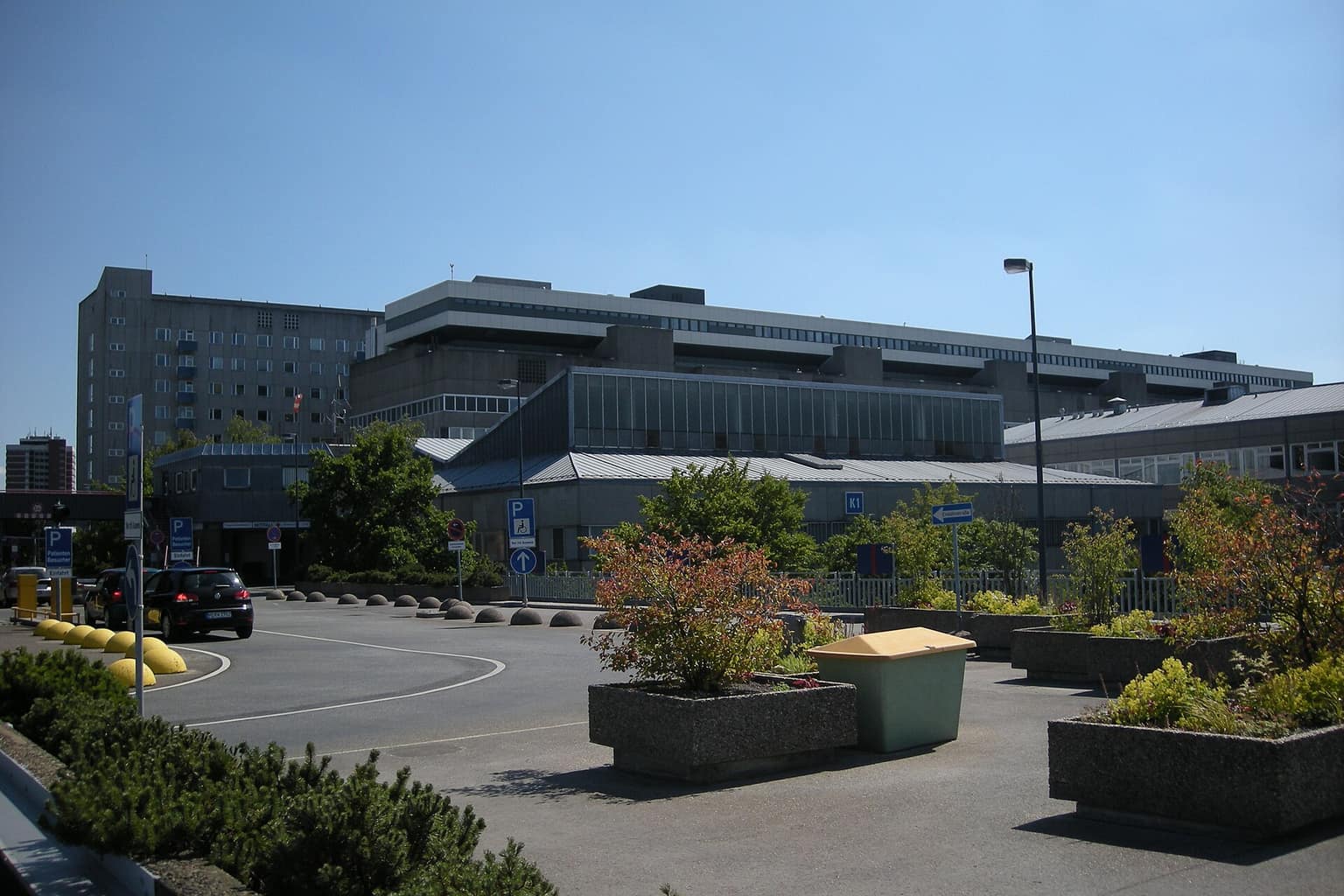
Every week until March, Katrin H., 55, received a protein her body can no longer make. She had done so since 2011, when she was diagnosed at Hanover Medical School (MHH), and it has never stopped her disease from progressing. Her breathing problems forced her to give up her job as an anesthesiologist. Now a team from MHH and Renji Hospital in Shanghai has corrected the genetic defect behind her condition in seven patients, a first according to the team.
Alpha-1 antitrypsin deficiency (AATM) is a congenital metabolic disorder. A genetic defect causes the protective protein alpha-1 antitrypsin (AAT) to be produced incorrectly. The protein is made mainly in the liver and protects the lungs from the body's own enzymes, so the deficiency damages both organs and can lead to pulmonary emphysema, liver fibrosis or cirrhosis. The disease is often diagnosed late, because its symptoms are nonspecific and it is often first mistaken for bronchial asthma, according to Dr. Nora Drick of the MHH respiratory medicine department. Until now, the only option in severe cases was augmentation therapy, which replaces the missing protein, or a transplant.
The MHH approach works differently from most gene therapies, which add a working copy of the gene. The team uses CRISPR/Cas9, the so-called “gene scissors,” together with a biotechnological tool to change the single faulty building block, or base, in the DNA of AAT-producing liver cells, a technique called base editing. Once the mutated base is modified, a single-strand break forms on the opposite strand, and the cell launches its own repair program, incorporating the correct base into the second strand as well. The mutation is thus eliminated without the DNA suffering a double-strand break. “We tested this approach on other conditions in animal trials for a long time,” says Dr. Simon Krooss, before a joint clinical trial with Renji Hospital became possible. The costs were covered by a Chinese company developing the base-editing method, and the MHH sent its patients to Shanghai because the condition is rare in Asia.
Katrin H. flew to Shanghai in March, accompanied by Dr. Michael Ott, and received an infusion of the new drug during a four-week stay. Blood tests then showed that her body was producing functional AAT again, with no side effects, and she has not needed augmentation therapy since. The team's initial findings on safety and efficacy are published in the Journal of Hepatology. The limits are clear: the therapy cannot reverse the damage to her lungs and liver that had already occurred, and its aim is to stop further deterioration. “For me, it's like winning the lottery,” she says.
For the estimated 120,000 people with the condition in Europe, the main change would be where they receive treatment: they would no longer need to travel to Shanghai, once the therapy is authorized, which it is not yet. The clinical trial at MHH is set to continue in early 2027. Ott says the approach could extend to other congenital liver diseases in which a single DNA base needs to be replaced.
Sources — read the originals(Paris time)
Read next
Comments
Loading the thread…
Sign in to leave a comment. Sign in