Cattle now graze under a 3.25 MW solar farm in Tennessee
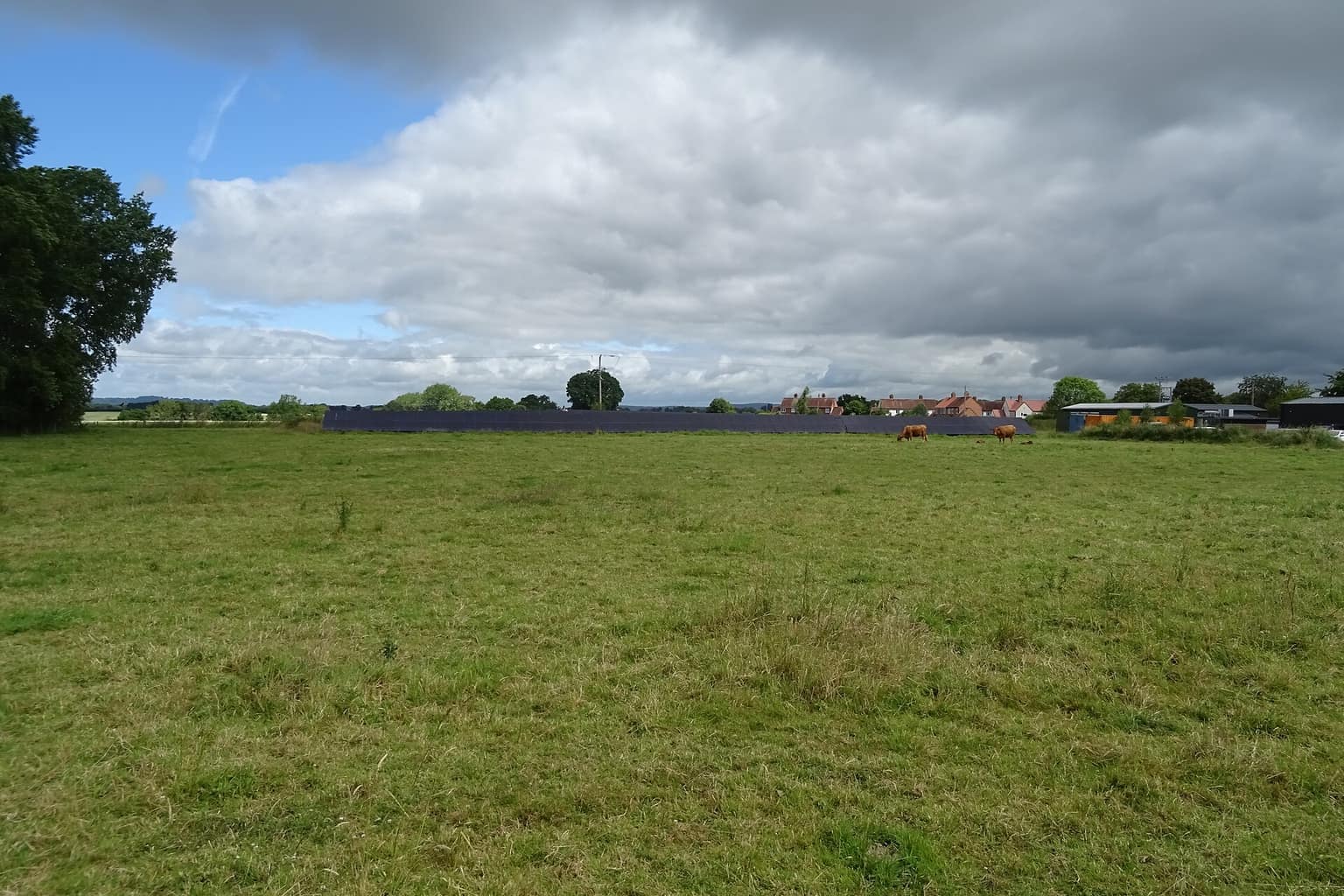
Under a flinty November sky in Christiana, Tennessee, the lawn mowers are cows. Fifteen Murray Grey cattle rotate among paddocks marked out by simple electrical wire, grazing Bermuda grass in the shade of solar panels raised on steel piles higher than usual. Silicon Ranch, Tennessee's largest solar developer, brought the herd in six months ago, and the animals already look plump. The company says this is the first commercially viable utility-scale project combining solar and cattle farming in the U.S. An earlier 2 MW project from AES had tried the concept in Massachusetts' community solar market.
Agrivoltaics, the practice of using the same land for solar power and crops, has so far left out cattle ranching, one of the pillars of American agriculture. Solar developers already use sheep to cut grass, and researchers have found that some grasses and crops grow better in panel shade. Cattle were excluded for a simple reason: a herd could easily wreck carefully calibrated arrays. Terry Jennings, of the Electric Power Research Institute, a nonprofit that studies the electricity sector, says designs for grazing are more specific and add cost, and that a lot of uncertainty remains about how cows really interact with the panels.
The fix is mostly in the hardware. Rather than build taller supports that would need more underground steel, Silicon Ranch developed and patented a system it calls CattleTracker, with tracker controls supplied by NextPower. Trackers normally rotate through the day to follow the sun. In what the company calls graze mode, in the paddock where cattle are present, rotation is limited from a maximum tilt of 60 degrees to 20 or 30 degrees, which keeps the lower panel edges above the animals' heads. On a standard farm, the low edge of a fully tilted panel sits 24 inches off the ground; on this site, a visitor can walk beneath the rows with only a little ducking. A grant from the Department of Energy financed the study that preceded the design.
The animals were chosen for the job too. Loran Shallenberger, a longtime farmer who now runs Silicon Ranch's Regenerative Energy and Agrivoltaics division, bought Murray Greys, an Australian breed widely regarded as calm, less likely to charge a technician, and not tall. Even on this first utility-scale site, the team held the cost of reinforcing the arrays to 3 % over the standard design, and sold the power to Middle Tennessee Electric for less than the wholesale rate that utility paid the Tennessee Valley Authority. The cattle's methane is not addressed by the project, and many climate advocates want commercial cattle phased out for that reason.
For farmers, the model adds a second product to land that already produces power. For developers and utilities, the gain is more electricity from each acre in regions short of open ground, at a cost that Silicon Ranch says is close to standard, while the herd keeps the grass cut. Demand for electricity is rising fast in the U.S., and the company's approach is aimed at that demand. The figures so far come from one 3.25 MW site after six months, and how cows affect panels over years is still unknown. Within those limits, the Christiana farm shows that a herd and a solar array can share the same field.
Sources — read the originals(Paris time)
Read next
Comments
Loading the thread…
Sign in to leave a comment. Sign in