China's robot insulates live power lines, no blackout
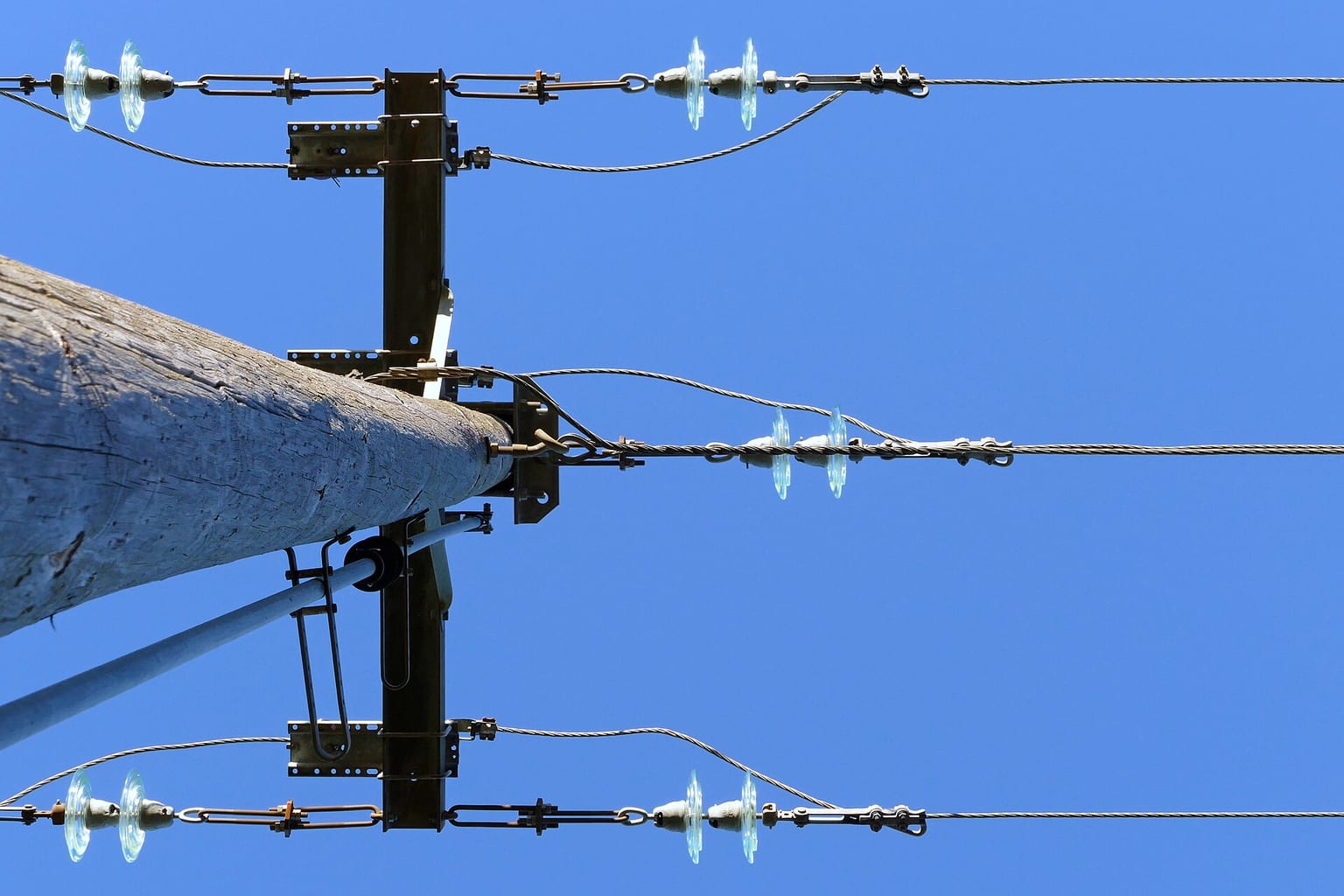
For line crews in China, fixing an overhead power line usually means a worker climbing the pole, or riding up in a bucket truck, a vehicle with a raised platform. In Changzhou, a city in Jiangsu province, a robot has now done that job on a line that was still carrying current. The machine, developed by State Grid Changzhou Power Supply Company, a state-owned utility, laid 30 meters of insulating sleeve, a protective tube of insulating material, over the wire in 15 minutes. The power stayed on.
The sleeve protects the bare wires of the distribution network, the local lines that carry electricity to homes and shops. According to the company, those wires are often affected by tree branches, birds nesting on them, and buildings put too close to the line. Wrapping them in insulation is the upgrade the robot is meant to carry out, on lines of 35 kilovolts and below, the voltage range the company says the machine can handle.
Getting a tube onto a live wire is delicate work. The robot gets onto the line by itself and travels along it. A human operator stays on the ground and sends it up with a remote-control device, a computer or a control console. Cameras help it find its position on the wire, and motors move the sleeve into place with precise alignment. Sensors then check the quality of each joint in real time. The company says the machine is shielded against the strong electromagnetic field around energized lines, so it can work without being electrocuted.
The company's case rests on what the old method costs. Climbing and bucket-truck work expose people to the risks of working high above the ground, and the utility says those methods are often unsuitable for residential areas with narrow alleys, where trucks cannot get close. A robot that works from the wire itself, it argues, avoids both problems and keeps the supply running.
The pilot took place in Jintan, in Changzhou. According to the utility, it ran without affecting electricity for consumers. An inspection afterwards found the sleeves securely installed, with docking accuracy that met the required standard. These results come from the company itself, from a single pilot.
The idea has also been argued in research. A 2023 study in the journal High Voltage, by Chen, held that robots replacing human operators on distribution lines can avoid risks and raise productivity. The Changzhou machine puts that argument on a real line.
For residents, the gain is that a repair no longer means cutting the supply. For line crews, it means fewer people working at height. The next step the company points to is use at construction sites where bucket trucks cannot reach, a job it says could be finished more safely without interrupting the supply.
Sources — read the originals(Paris time)
Pages consulted while writing
Read next
Comments
Loading the thread…
Sign in to leave a comment. Sign in