Chinese robot harvests battery metals 5,330 m deep in Pacific
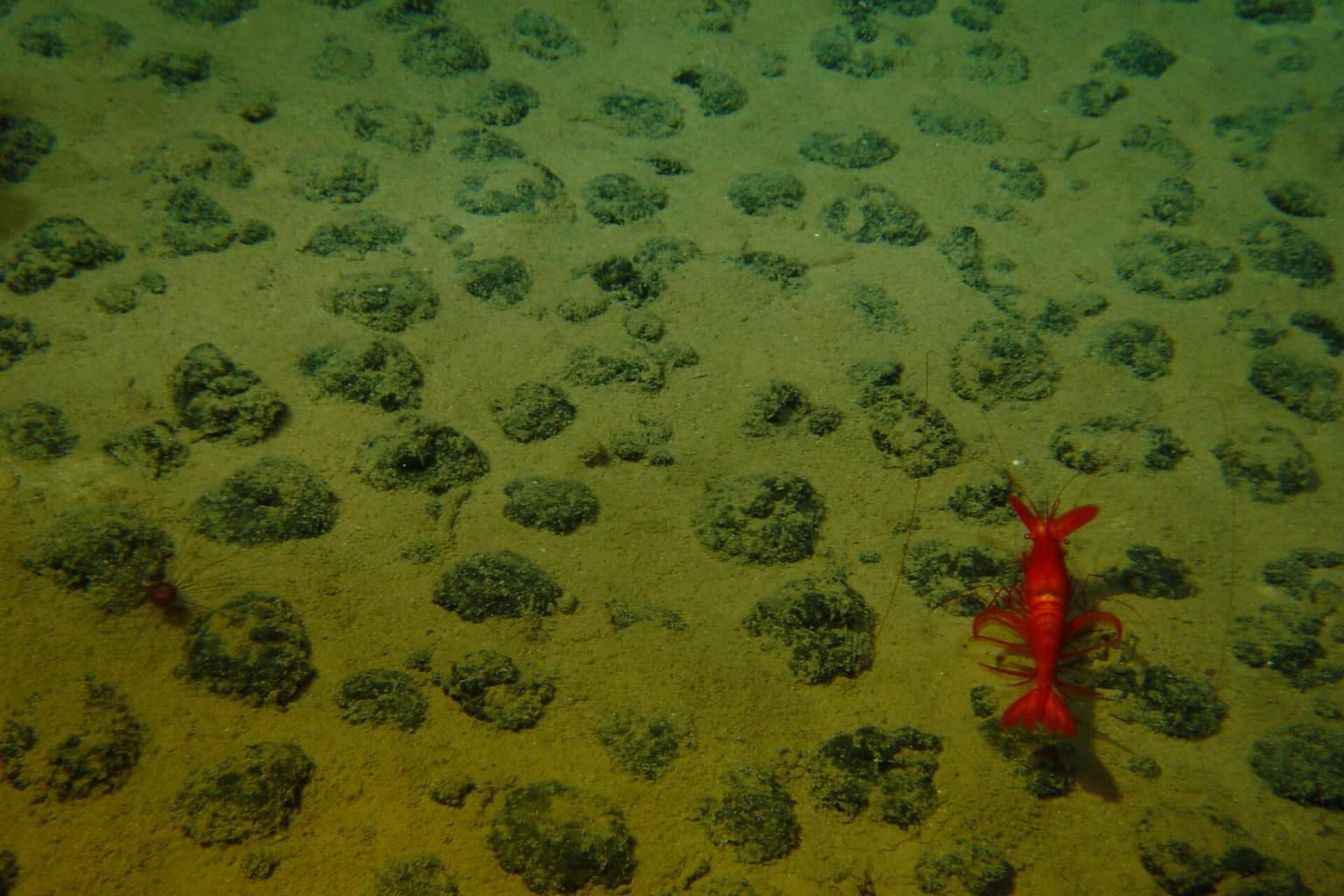
Some 5,330 metres below the Pacific, in pitch-black water near freezing and under crushing pressure, a robot crawled across the seabed and gathered rocks. The machine is Kunpeng, built by the state-owned Chinese company China Minmetals. According to the South China Morning Post, it carried out the first large-scale seabed ore mining trial in international waters between Hawaii and Mexico. In a statement, the company said it had worked for long stretches under those conditions. The rocks it collected are polymetallic nodules: potato-sized lumps, rich in metals, that lie loose on the ocean floor.
Those lumps hold metals used in batteries and electronics. They contain manganese, iron, nickel, copper and cobalt, the metals that power everything from smartphones to electric vehicles, and they took millions of years to form. China dominates global refining of cobalt, nickel and manganese. The trial took place in the Clarion-Clipperton Zone, which GeoExpro describes as the largest and most prolific nodule field in the world, west of Mexico.
The obstacle was depth. Research ships usually lower their robots on cables wrapped in steel, and those cables become too heavy to reach the deepest trenches. The winch used on this voyage, the Haiwei GD11000, runs a 13-kilometre line armoured with lightweight fibre instead. It lowered the submersibles six times, including one 48-hour descent, and they logged nearly 200 hours underwater. Navigation was the other hurdle. A sound-based system developed at Harbin Engineering University pinpoints the vehicle's position to within a metre. For comparison, China's first nodule-collector sea trial, aboard the Kunlong 500, was a 500-metre test that passed expert acceptance review in 2018, according to Ocean Mining News.
The trial sits inside a 72,745-square-kilometre block (28,000 square miles) that China Minmetals has studied since 2017, under a 15-year contract with the International Seabed Authority, a UN-backed body that oversees exploration of the deep seabed. Few details of the voyage have been disclosed.
This is a trial, not a commercial operation. No country has yet launched full-scale commercial mining on the deep seabed. Scientists warn that heavy machinery scraping the abyssal plain could permanently damage ecosystems that have barely been studied. Duncan Currie, a legal adviser to the Deep-Sea Conservation Coalition, says there is not enough scientific information to assess the effects.
The next step is already set. According to the South China Morning Post, the Haiwei winch will join routine survey voyages, in support of China's stated push to tap undersea resources and become a "maritime power".
Sources — read the originals(Paris time)
Pages consulted while writing
Read next
Comments
Loading the thread…
Sign in to leave a comment. Sign in