Upgraded Jiaolong submersible dives to 7,056.9 meters in trials
Two of the three test dives that Jiaolong made in the Philippine Basin went past 7,000 meters. The deepest, on October 2, reached 7,056.9 meters, the crewed submersible's 465th dive. The trials were the final check of a second round of upgrades, carried out during the second leg of China's 100th ocean scientific expedition, and Xinhua reported them on October 27 from the support ship Shenhai Yihao.
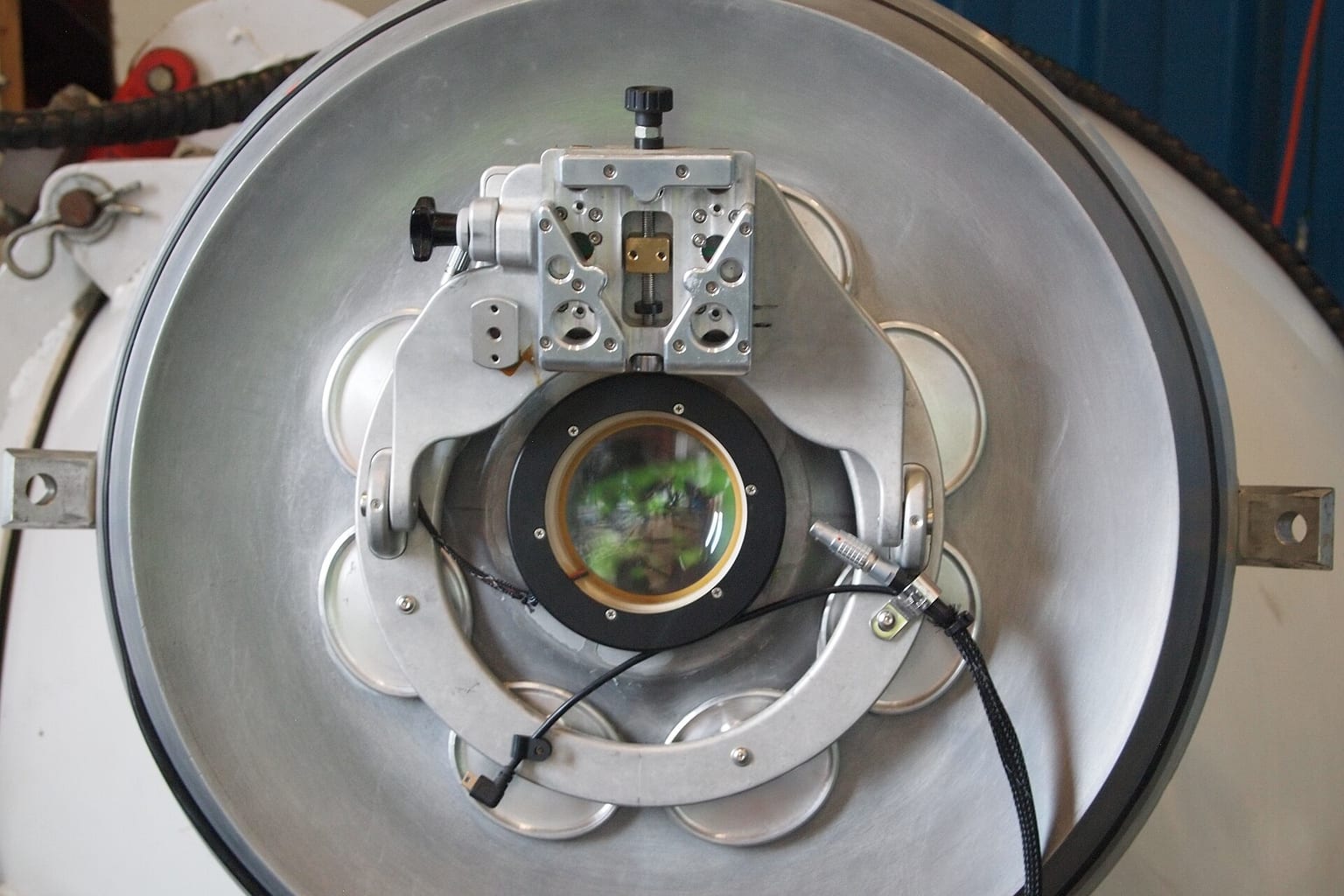
Jiaolong was refitted before the expedition with a set of changes that reach almost every system on board. It received a high-energy-density, oil-immersed lithium battery pack rated for 7,000 meters, which stores more energy for its size. Its propulsion was changed to domestically made direct-drive, low-noise DC thrusters, meaning electric motors that turn the propellers without gearboxes and run quietly. The emergency hydraulic system gained expanded interfaces, a new deep-water seawater hydraulic buoyancy adjustment system was added, and the cameras were replaced with wide-angle, high-zoom ultra-high-definition systems. Key components were replaced with domestically made parts throughout.
The two deep dives were crewed by different pairs of pilots, and each pair set a personal depth record. Sun Yongfu, a researcher at the National Deep Sea Center, said the trials fully verified the reliability and safety of the vehicle after the upgrade. He described the changes as a major increase in operational efficiency. These figures are the trial results reported by Xinhua, and the test was designed as an acceptance check, not as an independent study. The 7,035.3 meters reached on September 30 is the earlier of the two deep dives, and all test indicators met the requirements for a 7,000-meter-class trial.
For scientists, the practical change is that a crewed submersible rated for 7,000 meters is back in routine work, with more of its hardware made in China. Once the upgrade and component replacement were complete, Jiaolong went straight into a series of deep-sea resource and ecological surveys in several sea areas, and Sun said this work would deepen international ocean cooperation.
The next phase is the surveys themselves. The sources do not give a list of sea areas or a timetable for each survey, but the vehicle is already at work in them.
Sources — read the originals(Paris time)
Read next
Comments
Loading the thread…
Sign in to leave a comment. Sign in