China's first homegrown 10-MW icebreaker propulsor, not yet tested at sea
On a Tuesday in Shanghai, a 10-megawatt propulsion unit came off the production line for polar icebreakers. It is the first of its kind built in China, and it is designed to break ice up to 2.1 meters thick, according to the company.
The machine is a podded propulsor: a motor and propeller housed in a pod hanging below the hull, which turns to steer the ship. Powermaster Marine, the Shanghai company that developed it, says the unit is all-electric and can rotate a full 360 degrees, which lets an icebreaker push ice forward and reverse with the same equipment. Polar vessels face repeated impacts with ice and temperatures far below freezing, so the pod has to be structurally strong, deliver steady power and keep working for years. Until now, China has relied on overseas suppliers for this category of equipment.
Before shipping, the unit went through full-scale testing on a domestic 40-megawatt full-load platform, the first test of this kind in China. The program included 18 checks, with trials at 150 percent overload and 120 percent overspeed, beyond the unit's rated operating limits. Zhou Hao, chairman and general manager of Powermaster Marine, says the propulsor can deliver 160 percent of its rated torque under icebreaking conditions. These are the company's own figures, reported by Chinese media.
The next steps are scheduled but not yet done. The propulsor is expected at a European shipyard in late November, with installation on a vessel planned for February 2027 and shipboard testing in June. Delivery readiness is expected between August and October. Until that shipboard test is complete, the system has not operated at sea on a ship. The earlier order that Powermaster Marine won in February 2025 for a high-power, high-ice-class podded system is, according to the Shanghai Observer, China's first such order, and it placed the company, in that outlet's account, as the world's second supplier of this equipment after the Swiss group ABB.
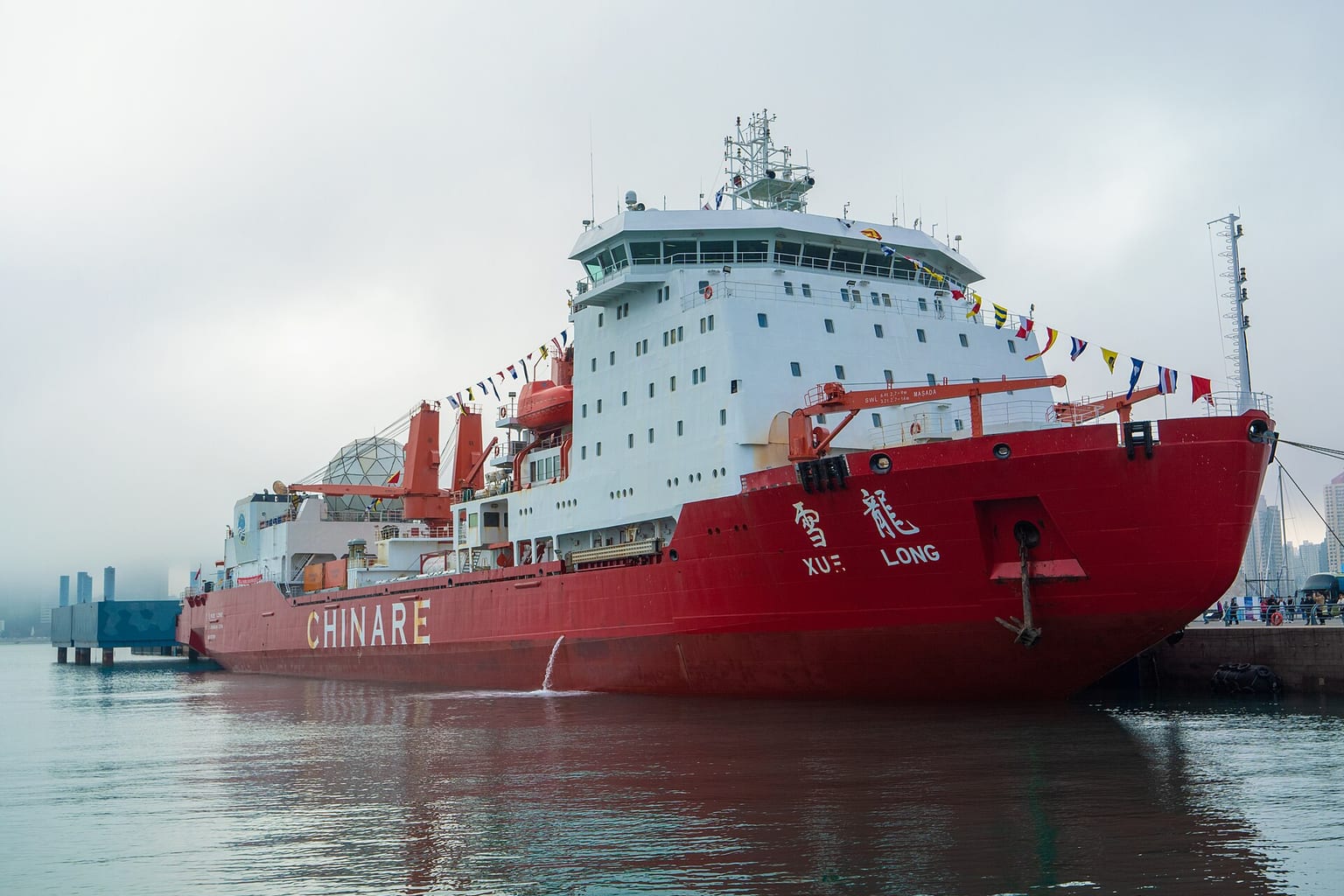
For China's polar program, the gain is a supply chain that does not start abroad. Wang Peng, an associate research fellow at the Beijing Academy of Social Sciences, told the Global Times that moving this technology from test benches to real ships could strengthen the domestic marine equipment industry and raise standards for its suppliers. For shipowners and shipyards, the question that matters is the one the June trials will answer: whether a unit tested on land behaves the same way once it is inside a hull, in ice. The rollout comes as China expands its polar research, after the research icebreakers Xuelong and Xuelong 2 returned to Shanghai on September 30 from the country's 16th Arctic Ocean expedition.
Comments
Loading the thread…
Sign in to leave a comment. Sign in