Robots grow deep-sea microbes that die at the surface
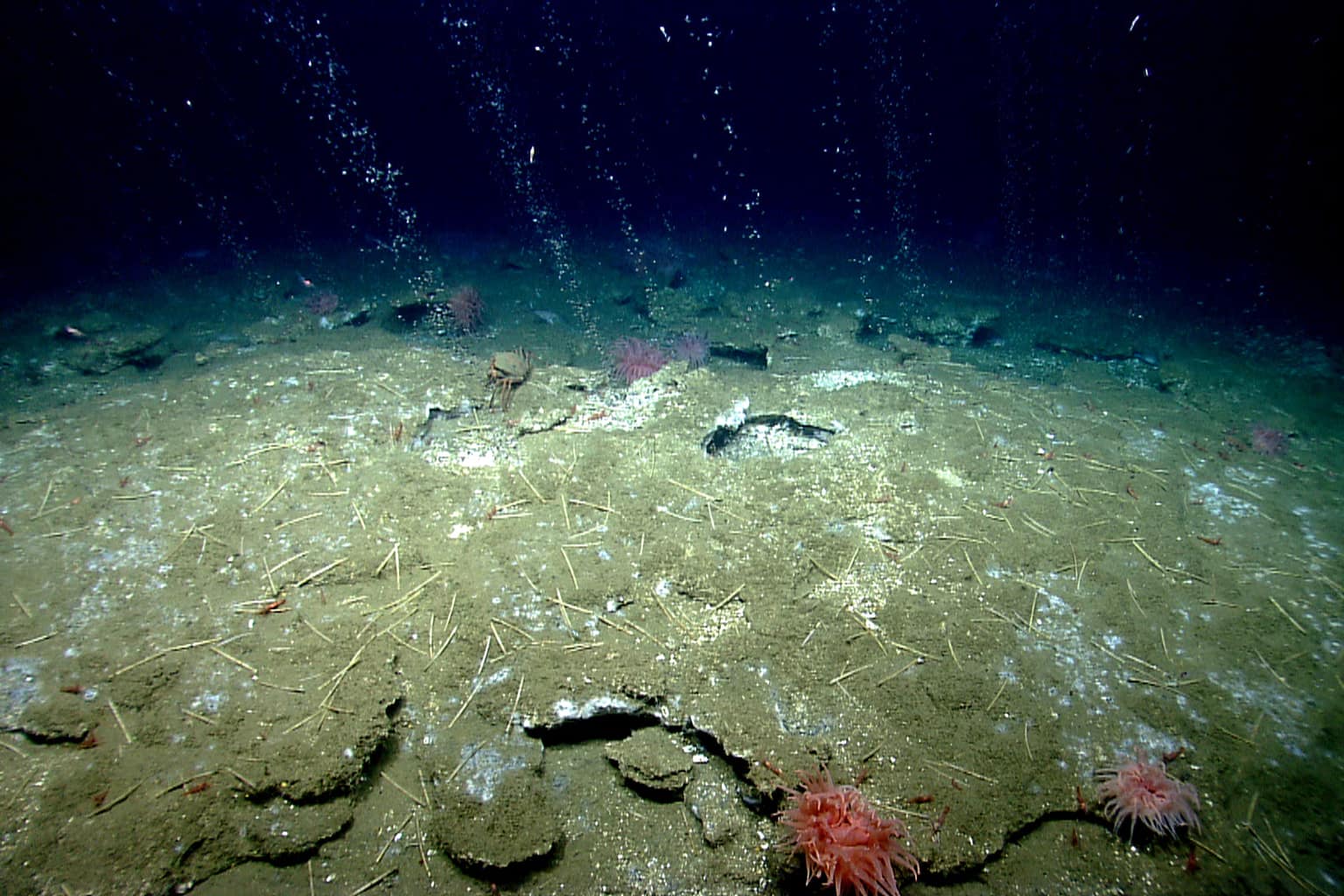
Bring a seafloor sample to the surface and the microbes inside can die before anyone gets to study them. Pressure and temperature change too quickly for organisms that have evolved in the deep sea. A team including Zhengguang Liu, a researcher at the University of Manchester, has built a way around that problem: a robotic system called DISCUSS that keeps those conditions in place from the moment a sample is collected to the moment its microbes are grown in the lab. Writing in Nature Sensors, the researchers report that they recovered 34 microbial isolates, individual strains pulled out and grown separately, from samples collected 1,300 meters beneath the sea.
The obstacle has been long-standing. Researchers estimate that less than 1% of deep-sea microbes can currently be grown with conventional methods, and growing them has relied largely on manual expertise that varies a lot from one attempt to the next. DISCUSS works differently. Real-time sensors track pressure, temperature and chemical composition, and a 'digital twin', a virtual representation of the deep-sea environment, makes adjustments when conditions drift. Once microbes begin to grow, cameras and deep-learning software recognize individual colonies, and robotic tools select and collect them without removing them from the high-pressure environment.
The results include a bacterium that cannot be grown at all under normal atmospheric pressure. One of two high-pressure-adapted bacteria, called HP_SR10, depends on high pressure to grow, so any lab working at surface pressure would never have seen it. The system also kept a complex community of microorganisms growing together for 180 days by maintaining the conditions they needed. The researchers say several of the isolates appear to be significantly different from previously identified strains, which suggests that the cultivable part of the deep-sea microbial world is larger than what standard methods reach.
For science, the payoff is a clearer view of a process that matters for the whole planet. Carbon produced near the ocean surface can sink into the deep ocean, and microorganisms at those depths transform it, but scientists still do not fully understand how. Being able to collect, grow and study a wider range of these microbes under conditions close to their natural ones should help answer that question. Deep-sea microbes are also studied for their enzymes and molecules, with potential uses in pharmaceuticals, materials, food and energy. The researchers do not give a timeline for any of these applications.
The next step the researchers point to is scale and reach. The same approach could eventually be adapted to study microorganisms in even deeper parts of the ocean and in other extreme environments, such as high-temperature hydrothermal vents. For now, the platform has been tested on samples from a single cold seep, and the question is whether it can repeat these results across other sites.
Sources — read the originals(Paris time)
Pages consulted while writing
Read next
Comments
Loading the thread…
Sign in to leave a comment. Sign in