Compost lets potatoes grow in moon-like soil as well as on Earth
At Oregon State University, potatoes have finished their whole life cycle in soil built to copy the surface of the moon. The condition is adding organic matter, and it changes the outcome. “We found that potatoes can complete their entire life cycle in simulated lunar soil when supplemented with organic matter,” says Aymeric Goyer, of the university’s botany and plant pathology department. The team reports that the potatoes were safe to eat and reached growth and yields comparable to those grown on Earth.
The stakes come from NASA’s Artemis program, which aims at a sustained human presence on the moon. The team argues that this will require growing food there, rather than relying on costly resupply missions from Earth. The obstacle is the ground itself. Lunar regolith, the layer of loose rock and dust that covers most of the moon’s surface, contains very low levels of organic matter, the material that feeds plants in ordinary soil.
The answer the researchers tested is vermicompost, a nutrient-rich soil amendment made when earthworms break down organic matter. The longer-term idea is that astronauts would bring a small amount from Earth, then make more by converting food scraps and plant waste. That would reduce the need to haul growing materials across space.
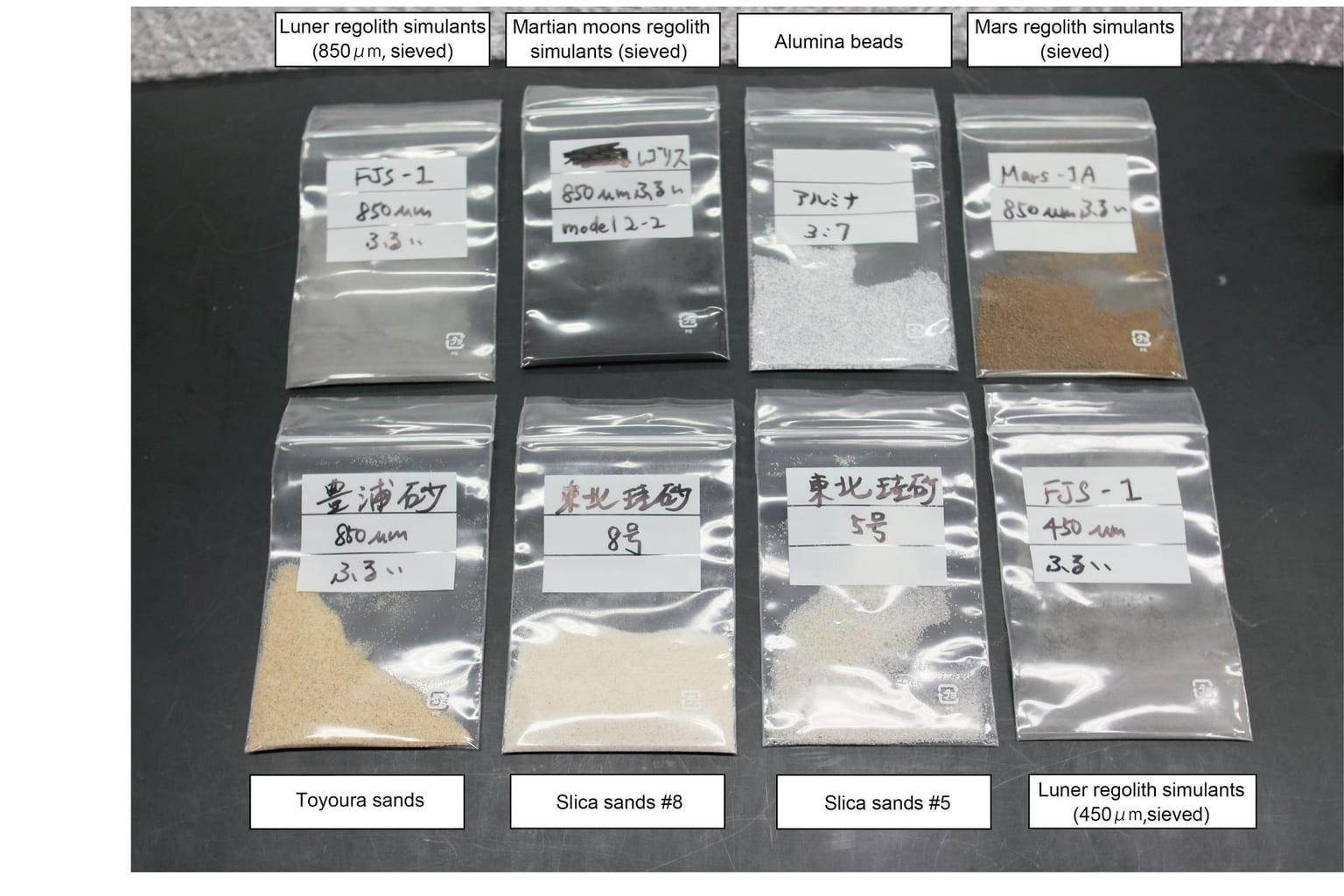
Goyer and David Handy, a postdoctoral scholar in his lab, reported the work in npj Microgravity. They mixed simulated regolith with different proportions of vermicompost and planted potatoes in each mix. Because the lunar ground varies across the moon, they used five simulants representing both the lunar plains and the highlands. They also included soil from Hermiston, Oregon, a region known for the highest potato yields in the world, as a reference.
The gap between mixes was wide. Potatoes grown without the amendment were severely stunted, with underdeveloped roots. At 5% to 15% vermicompost, they recovered only partly. At 30%, the potato plants grew and developed like those cultivated in Earth soils.
Why does the compost work? Lunar regolith contains elevated levels of heavy metals, which can damage roots and interfere with growth. The researchers believe the organic matter binds those metals, so plants are exposed to less of them. “We believe the compost helps balance some of the toxicity we see in lunar regolith by reducing plant exposure to harmful compounds,” Handy says.
The potatoes themselves were checked. Their nutritional quality was maintained, and the team found no statistically significant increase in glycoalkaloids, the natural potato toxins that often appear as green discoloration under the skin. A caution comes from elsewhere. Science’s coverage of the work reports that the potatoes had higher concentrations of copper and zinc than Earth-grown ones, which may make them dangerous to eat. That tension with the team’s safe-to-eat finding is not resolved in the reports. As plant scientist Anna-Lisa Paul put it, “Turning an inorganic, inhospitable bucket of glorified sand into something that can support plant growth is complex.”
The idea of growing plants in lunar dirt is not new. Earlier, researchers grew a small, well-studied plant, Arabidopsis thaliana, in nutrient-poor lunar regolith, using about a gram of soil per plant. Those plants grew more slowly and had stunted roots. Other teams have tried beans in a highland simulant, and chickpeas whose fungal partners colonized and survived the simulant. Potatoes add something the earlier tests lacked: a tuber that people can eat, with a complete life cycle.
The experiments leave gaps. Handy’s NASA-funded study does not simulate solar radiation or the absence of gravity. Water uptake in weaker gravity remains an open question. Nor can the compost be carried in bulk. “We can’t just ship metric tons of compost to the moon,” Handy told KLCC. The method he describes depends on building up organic matter over several generations of plants. According to KLCC, the first generations may serve as crops dug back into the soil rather than food for astronauts.
For Artemis planners, the result shifts the question. It is no longer whether crops can grow in lunar dirt, but how much organic matter they need and how it can be replenished on site. Scientists quoted in local press said a 15% blend would function for food production, and the team is testing a 5% mix to see whether potatoes still yield well under stress. No date for a lunar crop appears in these reports.
What comes next is a forthcoming paper, which will report experiments on 10 potato varieties grown in lunar regolith simulants. The aim is to identify which types may be best suited to future lunar agriculture. The work runs on a two-year, $300,000 NASA grant set to expire in July.
Sources — read the originals(Paris time)
Pages consulted while writing
Read next
Comments
Loading the thread…
Sign in to leave a comment. Sign in