Engineered plants can switch on bacterial genes, in lab tests
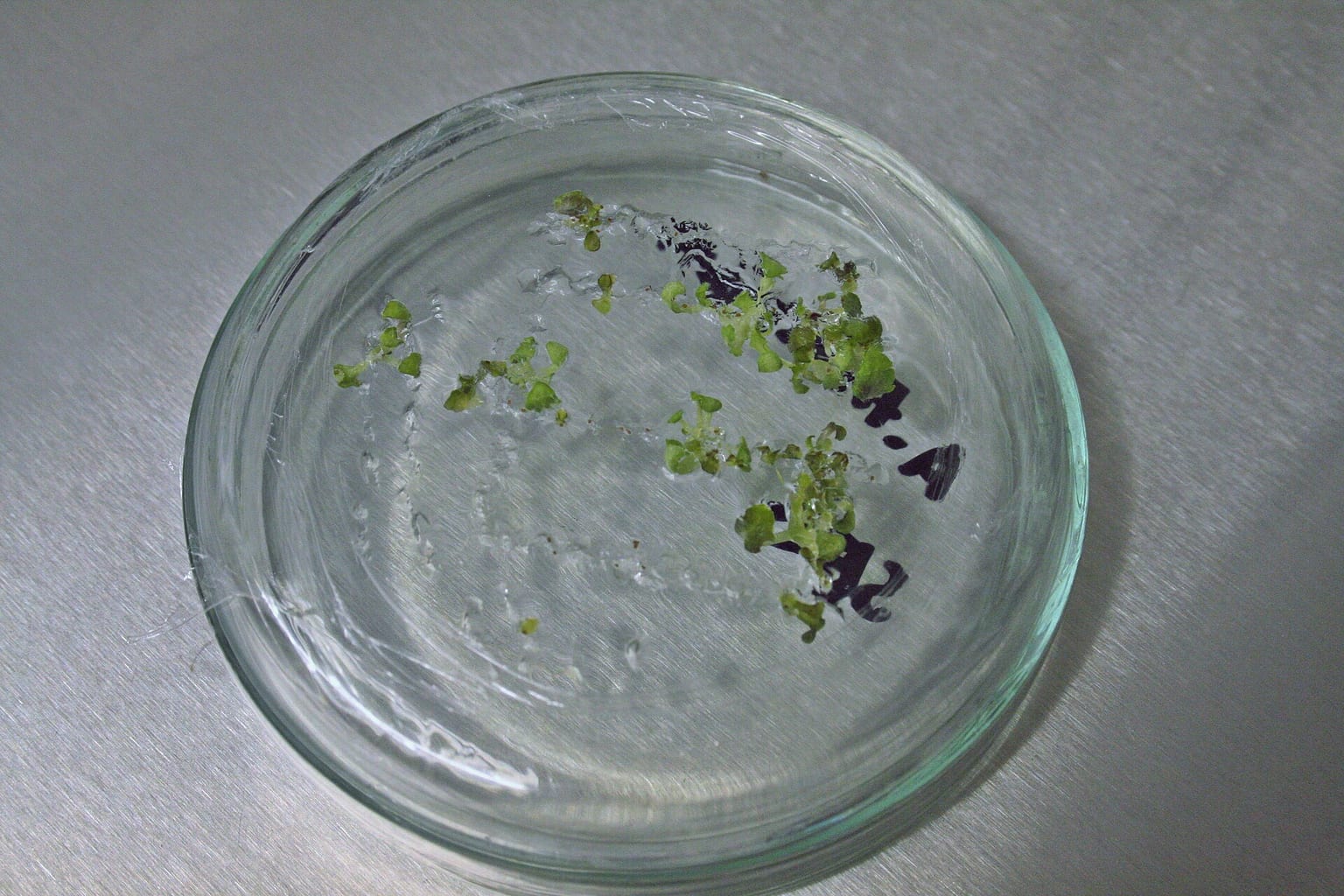
Plants can now switch on genes in a soil bacterium, using a molecule the bacterium does not make on its own. In a study published on 20 October 2026 in Nature Biotechnology, a team whose listed authors include Vivian Zhong, Michaela A. Jones and Jennifer A. N. Brophy engineered Arabidopsis, tomato and poplar to produce a synthetic amino acid, O-methyl-L-tyrosine (OMY), and used it to control Bacillus subtilis, a soil bacterium.
Amino acids are the building blocks of proteins. The technique at the heart of the study, genetic code expansion, adds amino acids that cells do not normally use. The authors note that such methods now allow more than 200 non-standard amino acids to be built into target proteins. The team gave the bacteria an orthogonal pair of molecules, an enzyme and a transfer RNA that work with OMY and nothing else, so that the bacteria's protein synthesis depends on OMY.
Why OMY? An earlier version of the work, posted on bioRxiv, argues that it is probably unrelated to the chemistry already at work between plants and microbes in farm soil: OMY has not been detected in agricultural soils, and its known biosynthetic origins are limited to marine Streptomyces bacteria. The preprint adds that a single enzyme, MfnG, from Streptomyces drozdowiczii, can make OMY from L-tyrosine in one step, so a plant needs to express only one enzyme to produce it.
The central result is that OMY made by the plant itself is enough to activate the bacterium. According to the published abstract, plant-derived OMY can stimulate gene expression in bacteria, and inducible, tissue-specific expression of that single enzyme lets the plant control microbial activity on demand. Everything described is laboratory work on three engineered plant species. The published abstract mentions no field trial.
For researchers who want to direct microbial activity in roots or soil, the gain is a control switch that the plant can trigger itself, rather than a chemical added from outside. Plant scientists and teams building engineered microbes are the first to benefit from that idea. The extracts give no timeline, and they name no company or commercial use.
Sources — read the originals(Paris time)
Pages consulted while writing
Comments
Loading the thread…
Sign in to leave a comment. Sign in