Farmed trout grow as well on algae as on fish-based feed
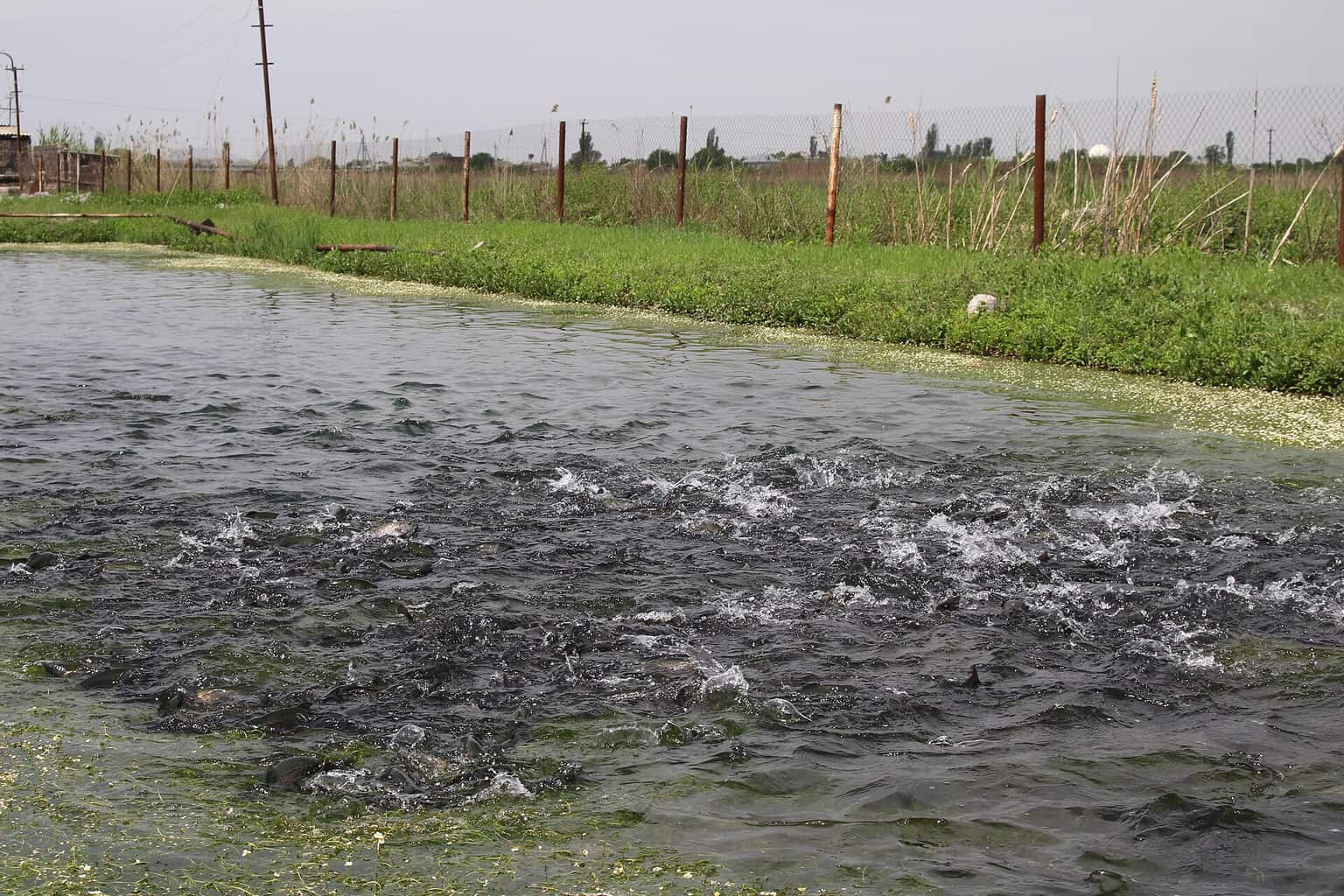
For a farmed trout to grow, someone first has to catch small wild fish. Sardines, herring, anchovies and mackerel are processed into fishmeal and fish oil, and those two ingredients have long been the core of farm feed. A team at the University of California, Santa Cruz has now raised rainbow trout on a feed in which microalgae replace 100% of the fish-derived ingredients, and the fish grew about as well as trout on the standard diet.
The stakes are large. Roughly 100 million tons of farmed fish and crustaceans are harvested each year, and at least 20 million wild-caught fish a year are turned into fishmeal and fish oil, most of it eaten by farmed salmon and trout. According to a scientific review, aquafeeds use more than 70% of the world's fishmeal and fish oil. The US National Oceanic and Atmospheric Administration puts the imbalance in one figure: aquaculture uses about half a metric ton of wild whole fish to produce one metric ton of farmed seafood.
The route to this result was not straight. In 2020, the same team showed that farmed tilapia grew normally on blends of two marine microalgae, Nannochloropsis and Schizochytrium. Their 2025 study removed only the fishmeal. Some early attempts with trout failed, because the trout did not like the taste. The fix was to add taurine, a nutrient also found in fishmeal, and lecithin, which helped the fish accept the feed. The reason taurine matters is that carnivorous fish get it in the wild by eating other fish, so a feed without fish has to supply it.
Sarker and colleagues reported the results on October 16 in the journal Antioxidants. After 84 days of feeding, trout on the all-algae diet showed growth similar to trout on fishmeal and fish oil. Their omega-3 polyunsaturated fatty acids, which are considered important for preventing chronic disease in humans, were at similar levels, as were protein, essential amino acids, and the minerals iron, calcium, magnesium and zinc. Fillet nutritional quality appeared unchanged. The feed used as much feed per kilogram of fish produced as the standard one, and the study's economic analysis suggests its purchase cost may be slightly lower.
Not every version worked. In one variant, fish fed on an extracted oil from Schizochytrium grew less than fish on the standard diet. Another account of the trial says the recipe also contains canola oil, so the feed is fish-free rather than strictly algae-only. The study also leaves untouched the other problems of fish farming: greenhouse emissions, and nitrogen and phosphorus pollution that can create oxygen-poor dead zones in nearby waters.
What changes, if the result holds, is the ingredient list. A farm that no longer buys fishmeal and fish oil stops drawing on the wild sardines, herring and anchovies that go into it, and the trout still grow at a similar rate. The team gives no timeline for farms to adopt the feed, and the trial itself is small: 640 young trout, each under a gram at the start, held in tanks of 40 fish.
Sources — read the originals(Paris time)
Pages consulted while writing
Read next
Comments
Loading the thread…
Sign in to leave a comment. Sign in