First model of moonquake shaking built for the Moon
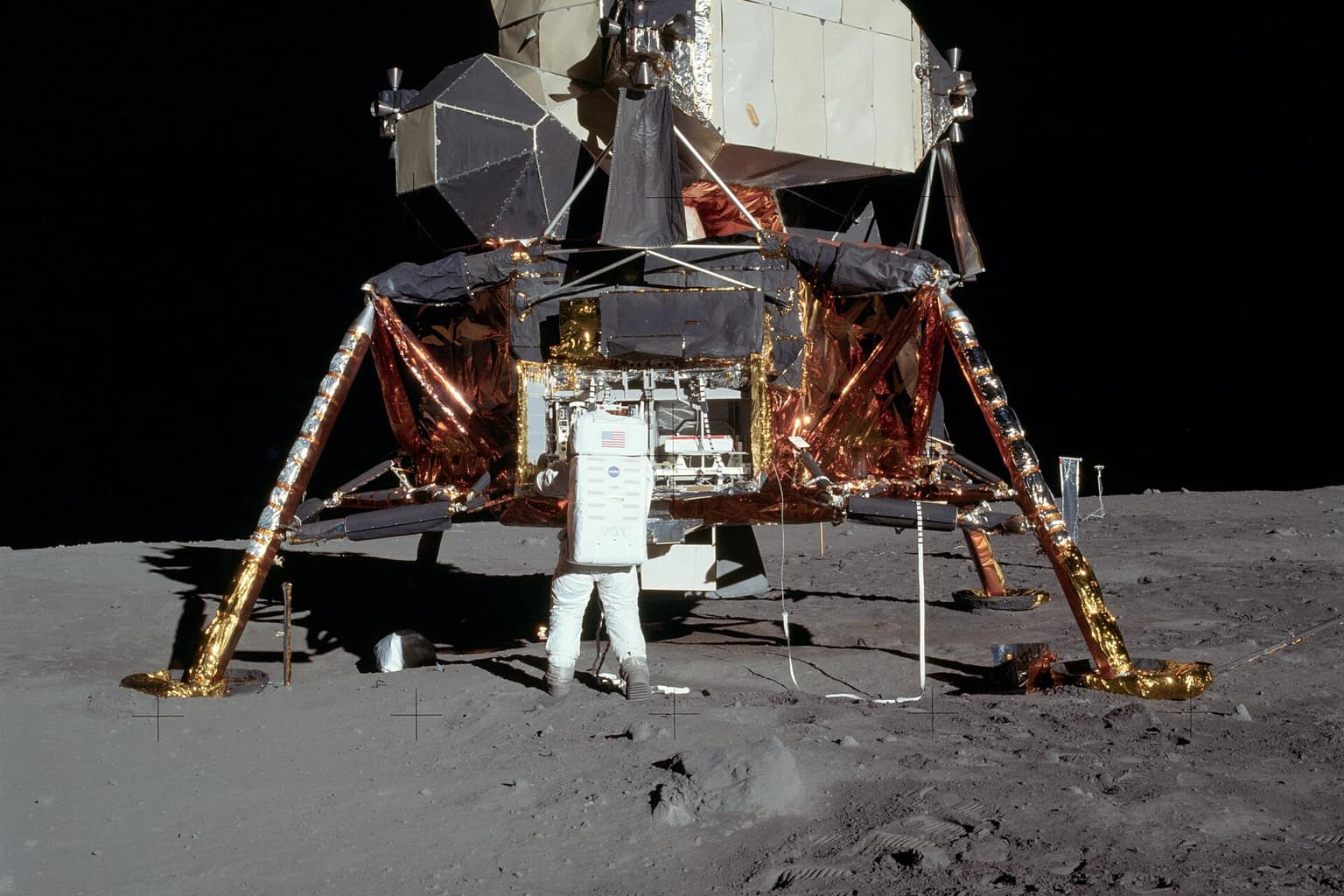
On Earth, the shaking from a strong quake mostly fades within a few hundred kilometers, so the models engineers use there assume it dies out quickly. On the Moon, it does not. Tessa Williams of Slate Geotechnical Consultants and her colleagues have built the first ground-motion model made specifically for shallow moonquakes, the tremors that start near the surface. It predicts how hard the ground will move at a given distance from a quake, and it is meant to guide hazard assessments for future construction on the Moon.
The gap with Earth is large. Williams notes that a distance of 200 kilometers (124 miles), long by terrestrial standards, would count as short to moderate for lunar shaking. The Apollo recordings show strong shaking persisting past 1,000 kilometers (621 miles), even for small-magnitude events. The model predicts significantly higher ground motion at large distances than the terrestrial models do, and that is the main reason those models fall short when applied to the Moon.
The team built the model by combining moonquake recordings from the Apollo missions with physics-based simulations that use lunar inputs. The Moon's geology explains the difference. Its interior is colder and more solid than Earth's, so seismic waves, the vibrations a quake sends through the ground, lose less energy as they travel. Its fractured surface, pitted by millions of years of impacts, scatters that energy widely. Once these features were included, the simulations matched the Apollo recordings much better.
The model does not yet capture duration, and that is where the Moon differs most. The Apollo records show an average strong-shaking period of about 54 minutes, against typically under a minute for shallow quakes on Earth. Williams attributes this largely to scattering in the fractured upper crust, which stretches the shaking into a long rumble.
The model has limits. The moonquake data come from just four closely spaced stations, recording within a narrow band of frequencies. Williams says modern broadband instruments would capture the full range of shaking that matters for buildings. The researchers call for more lunar stations at different depths and distances, which could also catch large-magnitude events and sharpen the predictions.
For engineers, the payoff is concrete. Williams and her colleagues worked to inform structural engineers who are drafting design guidelines for lunar structures, so that buildings can be sized for shaking that travels far further than on Earth. The researchers did not give a timetable for new stations, so the next step is open. What is settled is the starting point: for the first time, a model of lunar quake shaking is built from the Moon's own data rather than borrowed from Earth.
Sources — read the originals(Paris time)
Read next
Comments
Loading the thread…
Sign in to leave a comment. Sign in