Food-grade microneedles could vaccinate farmed fish, lab study finds
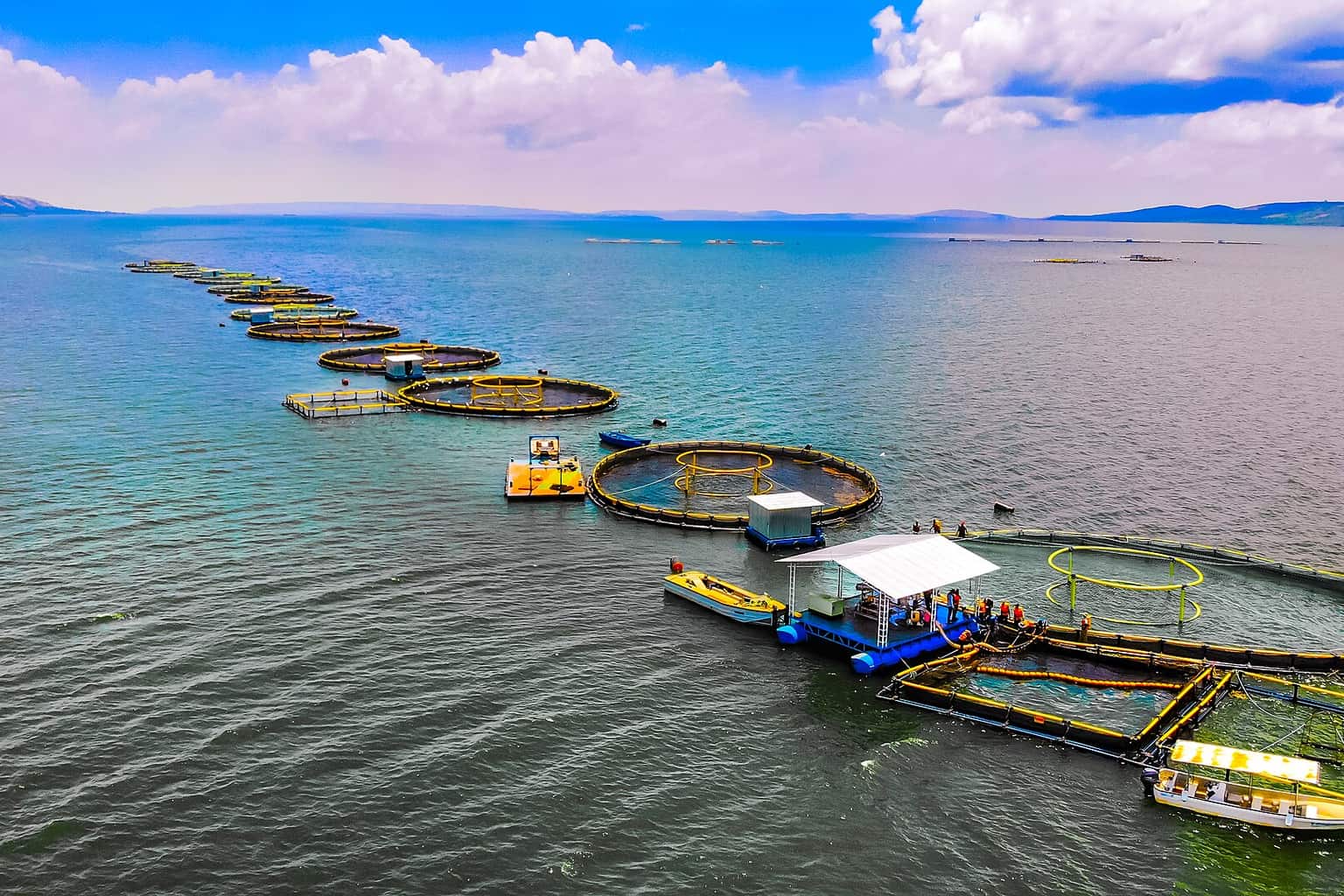
Fish farmers vaccinate their stock for the same reason any livestock breeder does, but the method is far harder. The most effective technique today uses metal needles: workers sedate each fish, lift it out of the water onto a conveyor belt, inject it one by one, and send it back to the pool as fast as they can. The process is labor intensive and costly, stresses the fish, carries a risk of cross contamination of blood-borne diseases, and can lead workers to jab themselves.
A team at MIT and the U.S. Department of Agriculture (USDA) has built a gentler alternative: a microneedle that lightly penetrates fish skin, stays attached, then decomposes. It is made from silk, which the team notes is classified as safe for human consumption in food coatings and degrades over time. Early silk versions dissolved in water as soon as they touched it, releasing the vaccine at once and failing to penetrate the skin. Meng Li, the first author and an MIT postdoc, found the fix: a thin layer of shellac, an insect-secreted resin used in food coatings and pills, acts as a moisture barrier that stays intact until the injection.
The release can be tuned. Some versions let the vaccine out within 15 minutes, others over 10 or 24 hours, a range Li says could also suit therapeutic uses beyond vaccines. The needles can store a range of vaccines, and the paper, published in ACS Nano, shows they can carry cargos such as bacterial vaccines. After four weeks in dry conditions, they preserved half of the structure of their DNA plasmids, the DNA carriers the team worked with. These are laboratory results, and they have not yet been put to the test on farms.
Farmed fish now supply a growing share of the world's food. In 2021, for the first time, farmed aquatic animals exceeded wild-caught ones in global food production by weight. Marelli points to population growth, with almost 2 billion more people expected by 2050, and notes that disease outbreaks cause substantial losses in aquaculture.
For farmers, the gain lies in the last mile: aquaculture happens mostly in rural areas, and a vaccine that holds up for weeks in dry storage means they would not have to depend on a cold chain to keep it effective. For workers, it would mean fewer needle injuries and less handling; for fish, less stress. The team has announced no price and no date for use on farms, so for now this is a credible route to a safer vaccination method rather than a product on the market.
Sources — read the originals(Paris time)
Read next
Comments
Loading the thread…
Sign in to leave a comment. Sign in