Gene-edited cacao gains black pod resistance, lab study shows
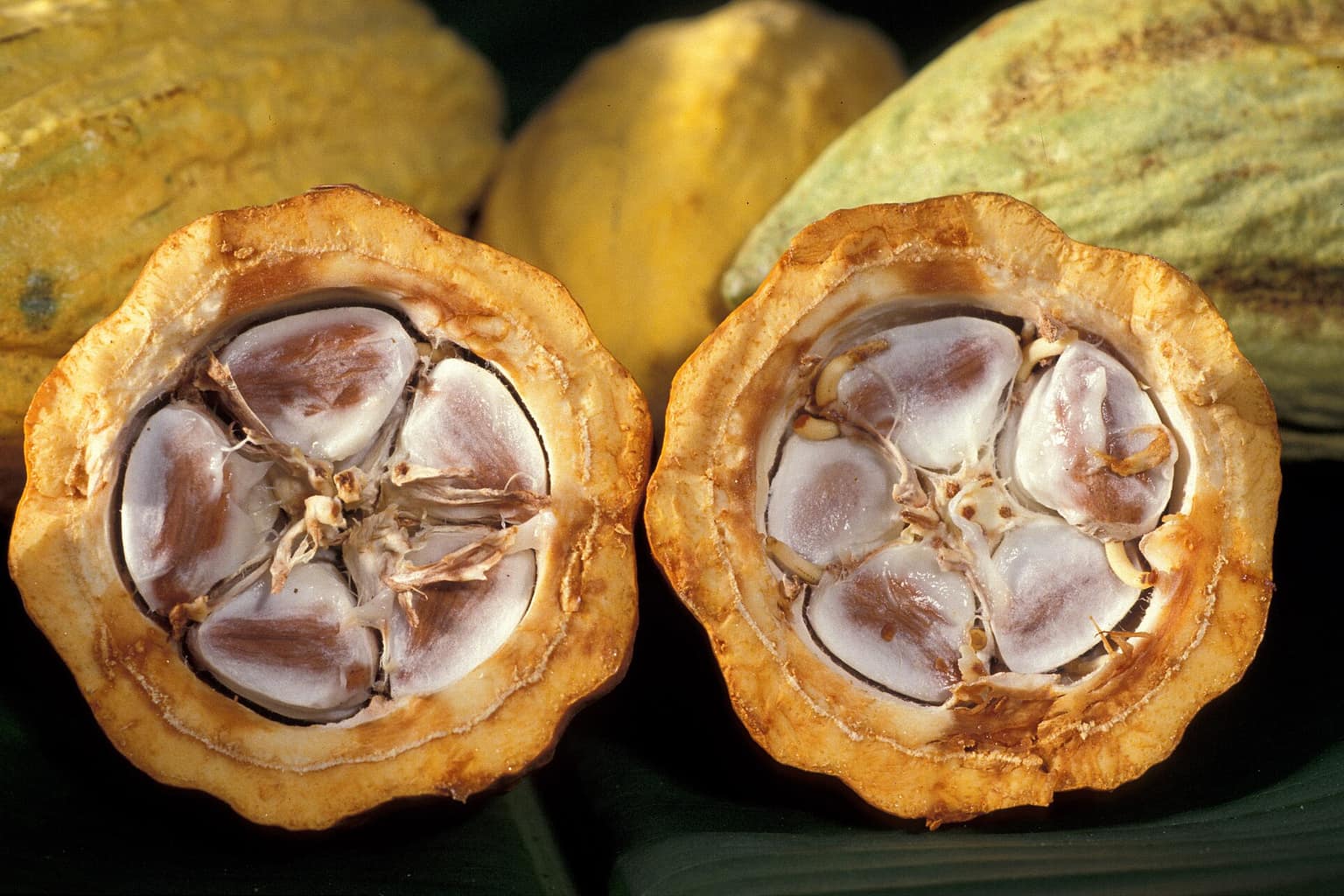
Black pod rot can strip a large share of a cacao harvest before it ever reaches a chocolate factory. Caused by a Phytophthora fungus, the disease is found wherever the crop is grown, and it can cut pod yields by up to 30% while killing as many as 10% of trees each year. At Penn State, a team led by Mark Guiltinan and Siela Maximova has now produced a cacao plant with significantly improved resistance to it.
The method combines gene editing with traditional plant breeding. In a study published in 2025 in the Plant Biotechnology Journal, the researchers used CRISPR, a gene-editing technique, to modify a cacao gene called TcNPR3. The gene normally acts as a natural brake on the plant's immune system. Altering it partially activates the plant's defenses, so the tree is better prepared when a pathogen arrives. Afterwards, the researchers bred the plants to remove all the foreign DNA left over from the editing process, keeping only the genetic change that helps the tree resist disease.
Speed is the other problem the team is tackling. Cacao trees usually do not flower until they are between three and eight years old, and breeding new varieties can take decades. Penn State has also worked on triggering earlier flowering, a step the university says promises to greatly speed up breeding of disease-resistant trees. That matters more as climate shifts. Maximova noted that conditions are changing faster than the trees can adapt, and that humidity and weather swings can favor pathogens and insect pests.
For growers, the next step is the licensing agreement with AgroNetica, a cacao-focused biotechnology company. The company will advance field testing of the plants, with the goal of eventually selling them directly to farmers around the world. Until those trials are complete, the disease resistance remains a laboratory result, and the university has not announced when the plant could reach farms.
The next milestone is therefore outside the lab: plants planted in real farm conditions, where the disease and the weather can be tested together. If field trials confirm the results, the plant would give farmers a tool against a threat that is already here.
Sources — read the originals(Paris time)
Read next
Comments
Loading the thread…
Sign in to leave a comment. Sign in