In the lab, rice resists bacterial blight with an AI-designed editor
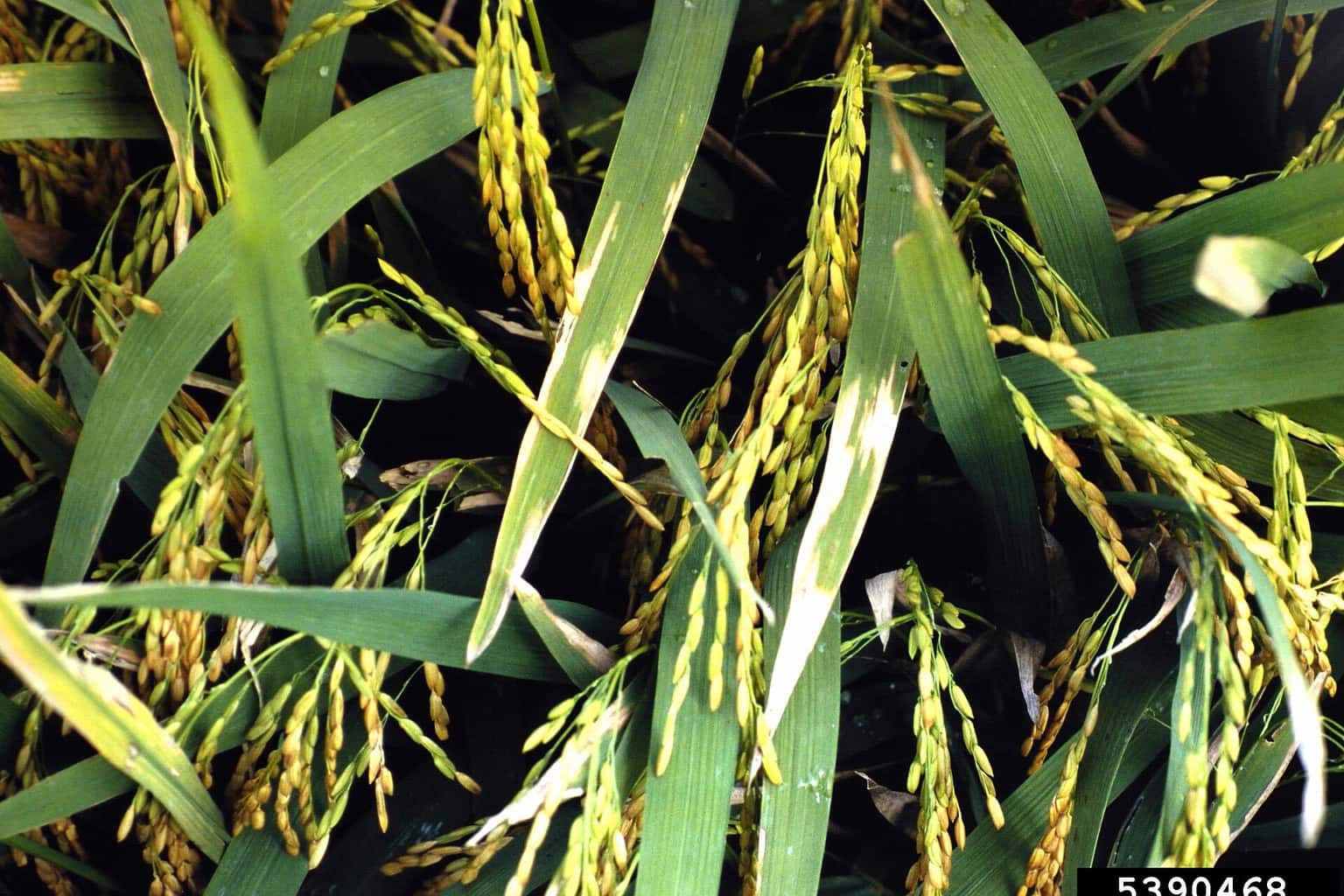
Bacterial blight is a disease that can wipe out a rice harvest in a single season. In parts of Asia and Africa, where the grain is a staple, it can destroy crops and threaten the livelihoods of the farmers who depend on them. At the University of Missouri, a team led by Bing Yang has now produced rice plants that resist the disease, a result published in the journal aBIOTECH.
The tool behind the work is OpenCRISPR-1, a gene-editing system designed with artificial intelligence. Gene editing lets researchers make targeted changes to an organism's DNA, for example to alter the genes that leave a plant vulnerable to disease. OpenCRISPR-1 was originally developed by the California biotechnology company Profluent and had been shown to work in animal cells. Yang's team adapted it for rice, and the study's title describes the outcome: targeted mutagenesis and prime editing in rice.
What distinguishes the tool, according to Yang, is its licensing. "Unlike proprietary gene-editing tools that may require licensing agreements for commercial use, OpenCRISPR-1 is open source and free for research and commercialization of crop genome editing," he said. "That accessibility gives researchers and companies greater flexibility to explore new genetic solutions."
The distance between the laboratory and the field remains real. The Mizzou team must first transfer its findings from a laboratory line into rice varieties grown commercially. Researchers also need to conduct additional testing, meet regulatory requirements and find industry partners to commercialize any resulting varieties. Yang estimates that it may be several years before farmers can grow the rice developed at Mizzou.
For farmers in Missouri and elsewhere, the open tool could widen who can build such crops. Yang sees the same approach applying to corn and soybeans, and to challenges beyond disease, including drought and extreme temperatures. His team's next step is the transfer to commercial rice varieties, followed by testing and partnerships with industry.
Sources — read the originals(Paris time)
Read next
Comments
Loading the thread…
Sign in to leave a comment. Sign in