Grid limit breaches drop 6.7%→0% in simulation, ESS use kept
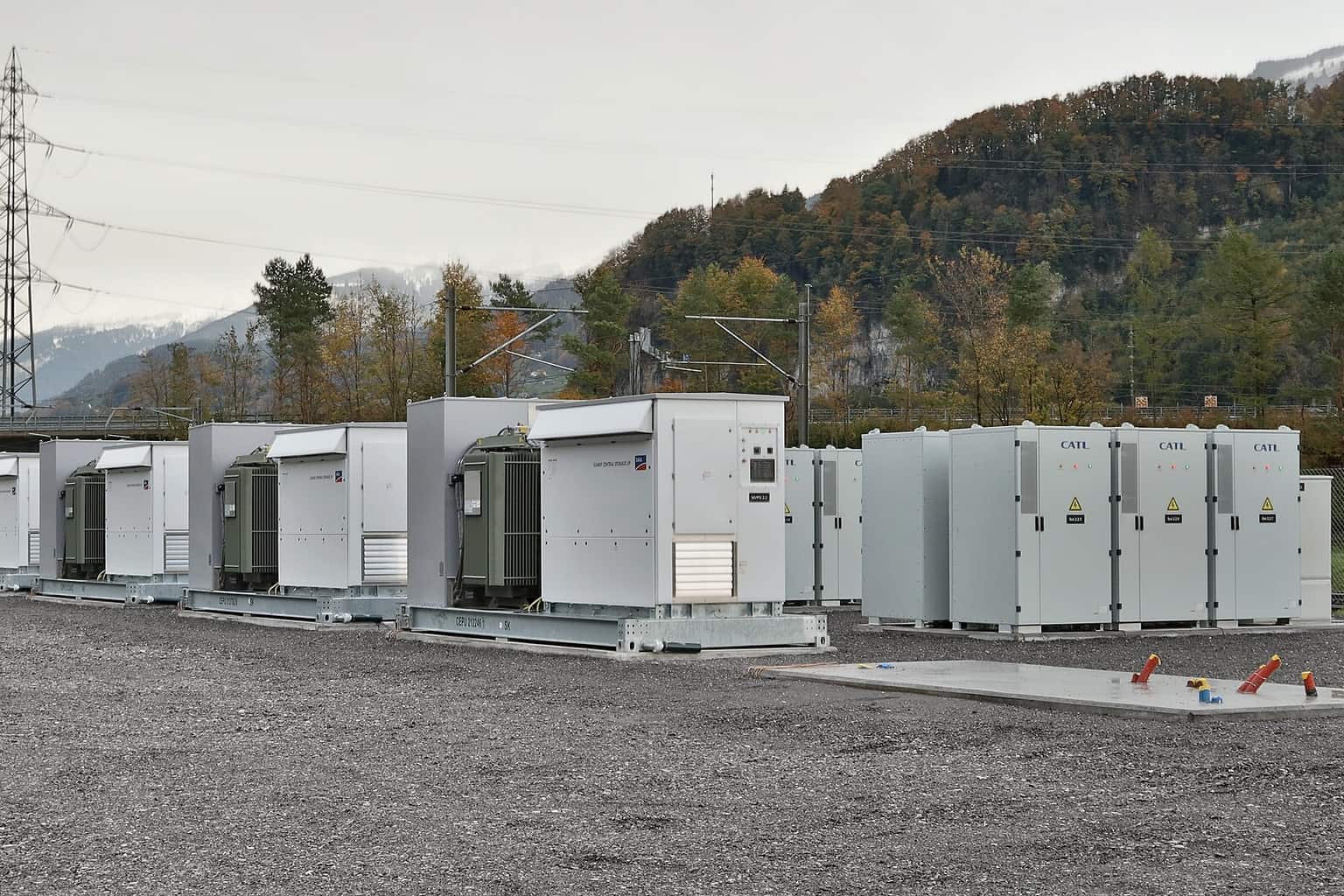
Picture solar generators and energy storage systems (ESS) in the same neighborhood changing output at the same moment. Each device operates within its own capacity, but across the grid as a whole, voltage can skew to one side or overload certain lines. The team led by Professor Kim Yun-su of the Department of Electrical Engineering and Computer Science at the Gwangju Institute of Science and Technology (GIST) said on the 31st that it has developed technology to calculate this scenario in advance.
The technology is applied in virtual power plant (VPP) systems that operate multiple generation and storage units as one unit, and it accounts for how each device's output adjustments affect the grid during power trading. Previously, only the capacity of each device was checked. However, grid conditions change between inspections, and the same adjustment has different effects depending on where a device is connected, so capacity alone was not enough to judge safety. The team's framework first checks voltage and power flows and, if operating limits are exceeded, adjusts the output of some distributed energy resources to restore a safe state. It then calculates how much more each device can adjust, known as the “operational flexibility margin (OFM),” and repeatedly verifies whether voltage and lines stay within limits even when output changes simultaneously by that amount. Grid conditions are monitored every 15 minutes.
The key result is the operating-limit violation rate. When only the device conditions of individual ESS units were considered, the rate was 6.7%. With the technology applied, it fell to 0%. Under the same conditions, total ESS charging and discharging volumes remained nearly unchanged. This was possible because adjustments were distributed to devices in locations with spare capacity, rather than to those in locations that burden the grid. Using Jeju Island distribution line data, the team conducted additional simulations and confirmed that the operating margins of multiple distribution lines can be calculated within a 15-minute control cycle. These figures come from simulations, and there has been no announcement that the same results have been achieved in actual field conditions.
For distribution network operators, this means a real-time safety mechanism that maximizes the autonomy of each device while ensuring the grid's physical limits are not exceeded. Prof. Kim said the technology is currently being applied in KEPCO's actual distribution system (DSO-MD). He expects it to contribute to accepting more renewable energy and to establishing a Korean-style distribution system operation framework and local electricity markets. However, he did not disclose the scope, scale, or timing of the deployment.
Sources — read the originals(Paris time)
Read next
Comments
Loading the thread…
Sign in to leave a comment. Sign in