IBM joins two quantum chips with four cables
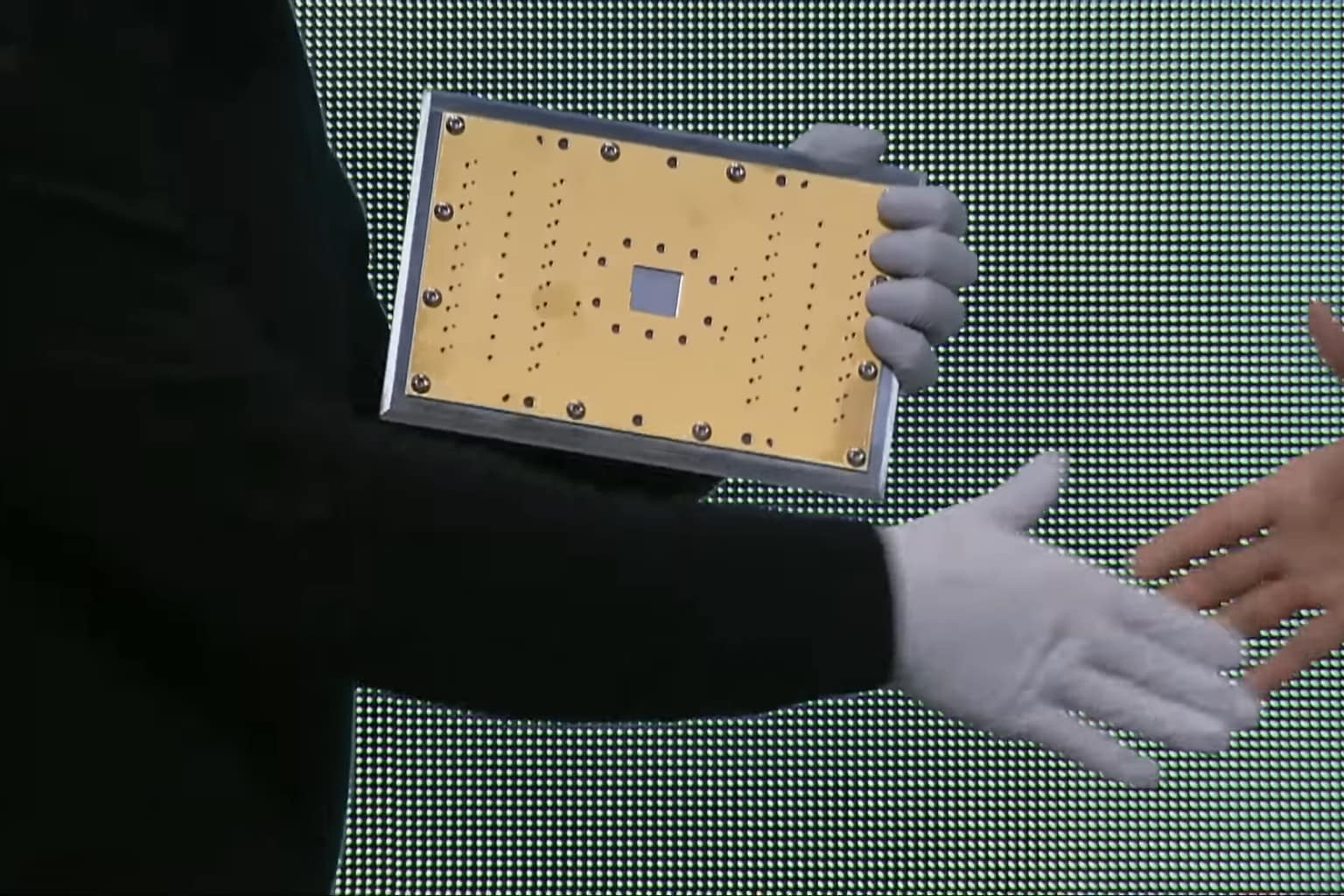
Inside the same refrigerator, two chips that were already mounted are now joined by four cables, each about a meter long. For the first time, IBM Research has linked two large superconducting quantum processors this way, with four separate high-quality links installed after both chips were in place. Quantum states passed between the chips with an average accuracy of 99%, and 99.29% on the best link.
The obstacle is fragility. A quantum processor holds its information in qubits, the quantum bits, and that information is easily destroyed when it leaves the chip. Until now, links between superconducting chips mostly involved a single connection between small experimental processors. Building larger machines means installing many connections between processors already sitting in their refrigerators, packed closely together, losing very little signal, and surviving repeated warming and cooling.
The IBM team linked two 120-qubit Nighthawk R1 processors. In each link, a qubit in one chip passes its information to a dedicated 'interface' qubit. An adjustable coupler feeds that information into an 80 cm (31-inch) superconducting aluminum cable, which carries it to a matching set of components on the other chip. To pack the cables more densely, each one plugs into its chip from directly above rather than from the side. Across the links, two-qubit logic operations spanning both processors averaged 94.75%. The team created entangled states shared by both chips, including 4- and 6-qubit states, and generated two entangled pairs at the same time through neighboring links. All four connections stayed operational through three cycles of warming and cooling.
For anyone building large quantum computers, this changes the design question. Instead of relying on one chip growing ever larger, a machine could be made of several processors whose quantum information is shared through reliable links. The team says its result paves the way for computers where information is stored and processed across many processors, which would make such machines easier to expand and maintain. The cross-chip operations, at 94.75% on average, show that the links are not yet as accurate as the transfers themselves, and no date for commercial use has been given.
The next step is clear in the team's own account: the longevity of the quantum information must improve before the system becomes commercially practical. The result is a preprint on the arXiv server, and the measurements now have to hold up as the work moves forward.
Sources — read the originals(Paris time)
Read next
Comments
Loading the thread…
Sign in to leave a comment. Sign in