In a working UK pub, a test finds drug traces in under two minutes
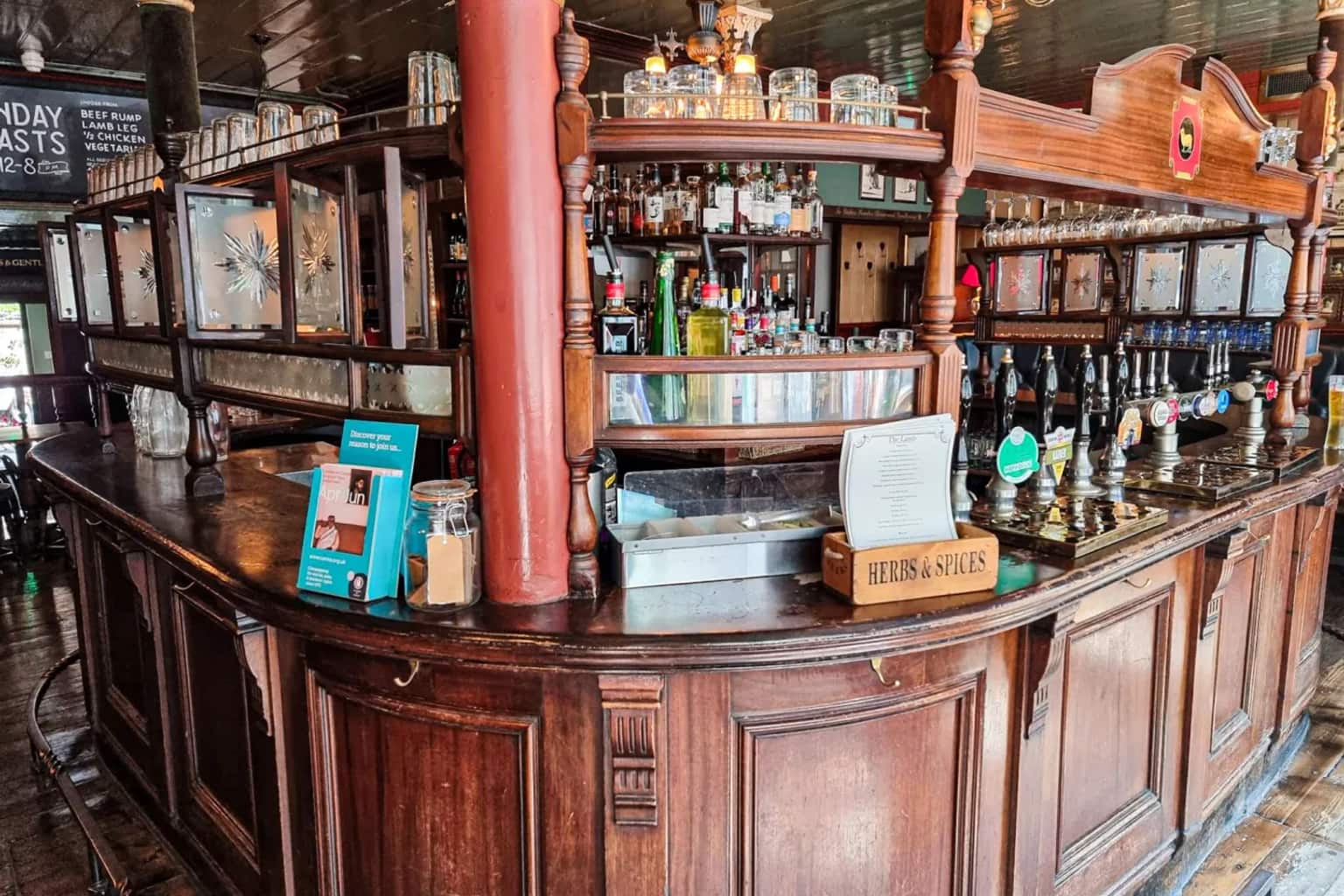
Over three weeks, a team from the University of Surrey took 420 swabs from one working pub in southern England, wiping bathrooms, tables and bar areas. Each sample had to answer a simple question: is cocaine or ketamine present? Ordinarily that answer comes from a laboratory, days later. In this trial, a new approach gave it in under two minutes.
The usual method sorts a sample into its individual ingredients before identifying them, a step called chromatographic separation. The technique tested here, atmospheric solids analysis probe mass spectrometry (ASAP-MS), skips that step. A sample is placed on a glass rod, introduced into a heated source, vaporised by nitrogen gas and ionised without being separated first. Because nothing waits for the sorting step, the analysis fits in a few minutes, which is what makes a portable system practical for venues and crime scenes.
The targeted method, run on solvent-extracted samples, reached a diagnostic accuracy of 64.29% for cocaine and 83.81% for ketamine, compared with confirmatory laboratory tests. Cocaine turned up on every bathroom surface sampled, whichever of the three workflows was used, and concentrations were highest in bathrooms. The smallest amounts detected were 20 picograms per microliter of cocaine, about a millionth of the weight of a single human hair spread through a droplet smaller than a pinhead, and 0.78 nanograms per microliter of ketamine.
Ketamine was the harder target. It stays trapped in cotton fibres and vaporises more slowly, so direct analysis of swabs missed significant amounts that laboratory tests later confirmed. Solvent extraction recovered them, at the cost of extra preparation time. The method also produced 15 false positives across the three workflows; some came from procaine, a cutting agent sometimes mixed with cocaine, whose chemical signature is nearly identical to ketamine's.
For venue operators and staff, the gain is timing: a result within minutes lets action be taken the same night, as Michailidis put it, instead of waiting for a laboratory report. Sears points to three uses: venue safety, occupational health monitoring of staff, and mapping surface contamination where it actually occurs. The limits are clear. The trial covered one pub and one team, the accuracy figures mean some results still differ from the laboratory, and the study gives no date for wider use.
Sources — read the originals(Paris time)
Read next
Comments
Loading the thread…
Sign in to leave a comment. Sign in