In lab, oxygen gaps in TiO₂ slow electron loss 2.5 times
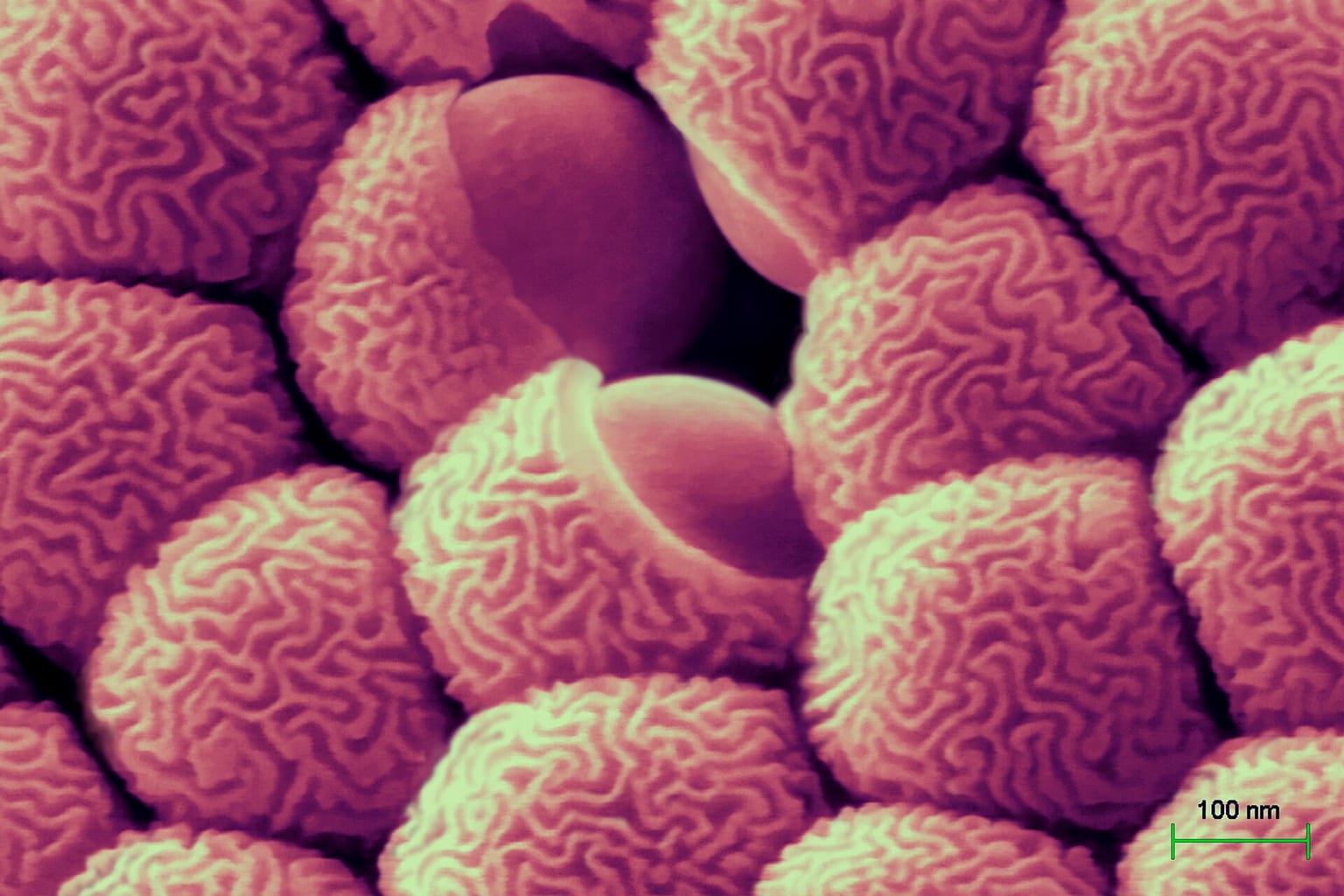
Electrons that come back too fast are wasted. In titanium dioxide, a material already used to drive chemical reactions with light, the energy that an electron absorbs can disappear in a fraction of a second if the electron drops back into the hole it left behind. A team at KAIST, the Korea Advanced Institute of Science and Technology, has now shown how to slow that loss down.
The key is a flaw. Blue titanium dioxide has a bluish colour because some of its oxygen atoms are missing, leaving empty sites in the crystal. Led by Professor Tae Kyu Kim of KAIST's Department of Chemistry, the team found that these oxygen vacancies catch electrons and hold them in a more stable energy state. Professor Kim's group worked with teams led by Professor Tae Wu Kim of Kyung Hee University, Professor Joonghan Kim of The Catholic University of Korea and Dr. Jae Hyuk Lee of the Pohang Accelerator Laboratory.
To see this happen, the researchers used the X-ray Free Electron Laser at Pohang, a fourth-generation light source that fires extremely short X-ray pulses, much like an ultrafast camera. They watched the titanium atoms move on the femtosecond timescale, one quadrillionth of a second, and combined those observations with optical measurements and calculations. The picture they obtained is a two-step sequence. Electrons first lose some energy and become temporarily trapped. In blue titanium dioxide, they then settle into a deeper trap over about 1.5 nanoseconds, a period far shorter than the blink of an eye. Once there, electron-hole recombination occurs about 2.5 times more slowly than in conventional titanium dioxide.
For the fields that use this material, the change is practical. Solar hydrogen production, carbon dioxide conversion and pollutant breakdown all depend on electrons staying available long enough to react. The team says the results could guide the design of photocatalysts in which the amount and distribution of oxygen vacancies are controlled, so that electrons stay available for longer. Those figures come from laboratory measurements on a single material, and the step from a waiting electron to a finished chemical reaction is not yet shown. Follow-up studies are planned to determine whether the electrons that remain trapped can take part effectively in reactions.
Sources — read the originals(Paris time)
Read next
Comments
Loading the thread…
Sign in to leave a comment. Sign in