In the lab, a chip predicts which leukemia drugs may work
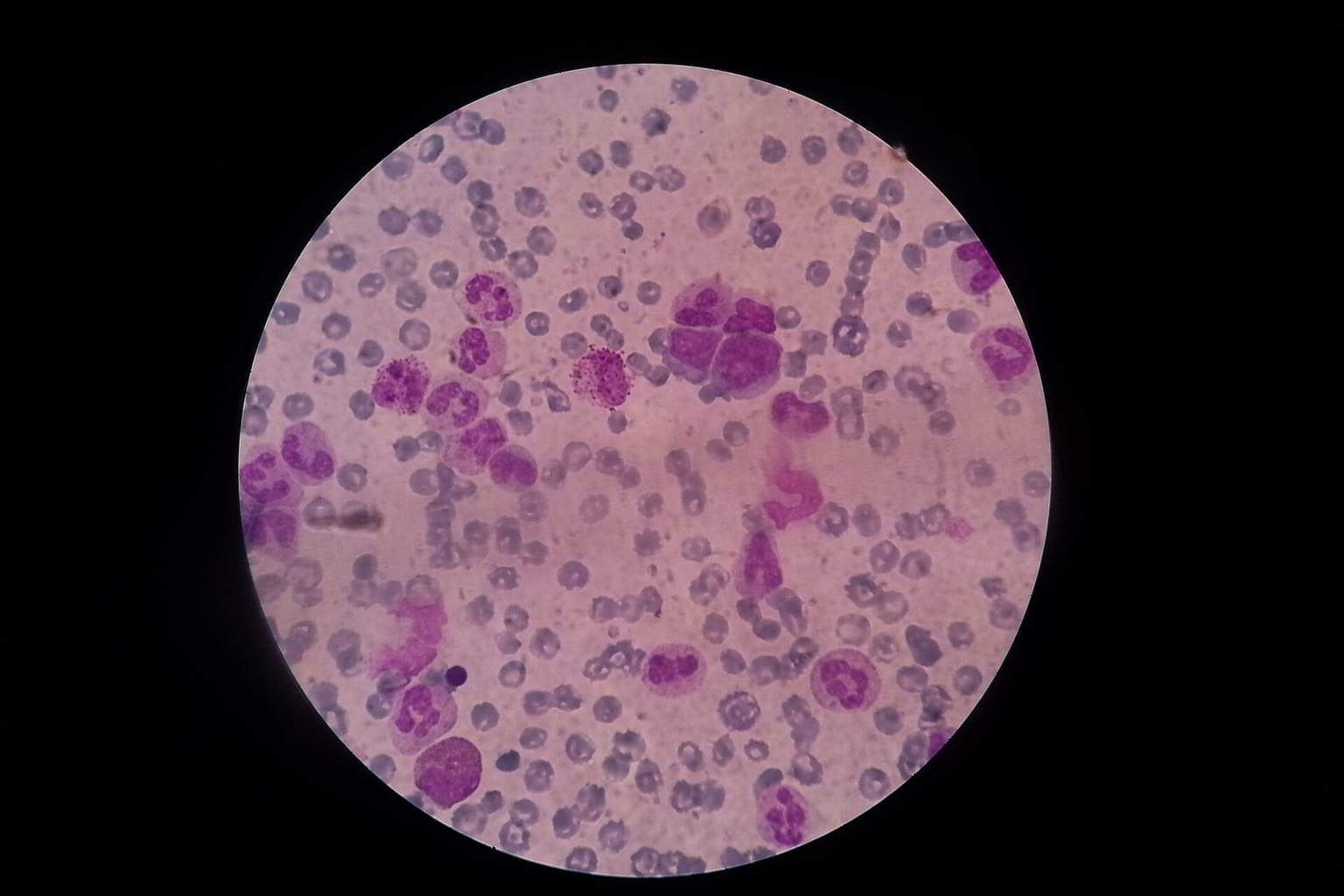
Every year, 6,000 new cases of acute lymphoblastic leukemia (ALL), a fast-moving blood cancer, are diagnosed in the United States, more than 3,500 of them in children. The disease stops the body from producing mature, infection-fighting white blood cells, sometimes within months. Treatment has to begin at once, usually with a mix of chemotherapy, targeted drugs, immunotherapy and sometimes a bone marrow transplant. Yet clinicians have had no way of knowing how a given drug combination and dose will affect a particular patient.
A team from Emory University, Children's Healthcare of Atlanta and Georgia Tech has built a test that works at diagnosis, from a single blood or bone marrow sample. The device, called GradientScreen, is a microfluidic assay, or “lab-on-a-chip”. It exposes the patient's leukemia cells to three-drug combinations and measures how many survive. Testing each drug pair and dose ratio one at a time would be slow and costly, so the assay evaluates the full range of ratios within a three-drug regimen in a single experiment. Comparing single drugs with combinations, it identifies which mixtures work better together, producing what the team calls “response patterns”.
In a retrospective study of 17 leukemia cell and bone marrow samples from ALL patients treated at The Aflac Cancer and Blood Disorders Center of Children's Healthcare of Atlanta, those response patterns matched what happened next: the amount of residual disease after induction, the first month of chemotherapy, and whether the patient relapsed. The study looks back at a small set of samples, so it establishes a correlation, not a prospective trial. Lam, the principal investigator, is a pediatric oncologist at Children's Healthcare of Atlanta. Relapse affects roughly 15% of children with ALL, while roughly 50% of adults either relapse or do not respond to treatment.
For a child whose leukemia resists standard chemotherapy, the gain is timing. The aim is to flag harder-to-treat patients before the first full course is given, rather than after. Williams, one of the developers, says GradientScreen is meant to broaden access to precision medicine by matching these patients earlier with alternative treatments.
The next steps are an expansion to other leukemia types, starting with acute myeloid leukemia, and to adult as well as pediatric patients.
Sources — read the originals(Paris time)
Read next
Comments
Loading the thread…
Sign in to leave a comment. Sign in