In the lab, bacterial genes yield a molecule binding a cancer protein
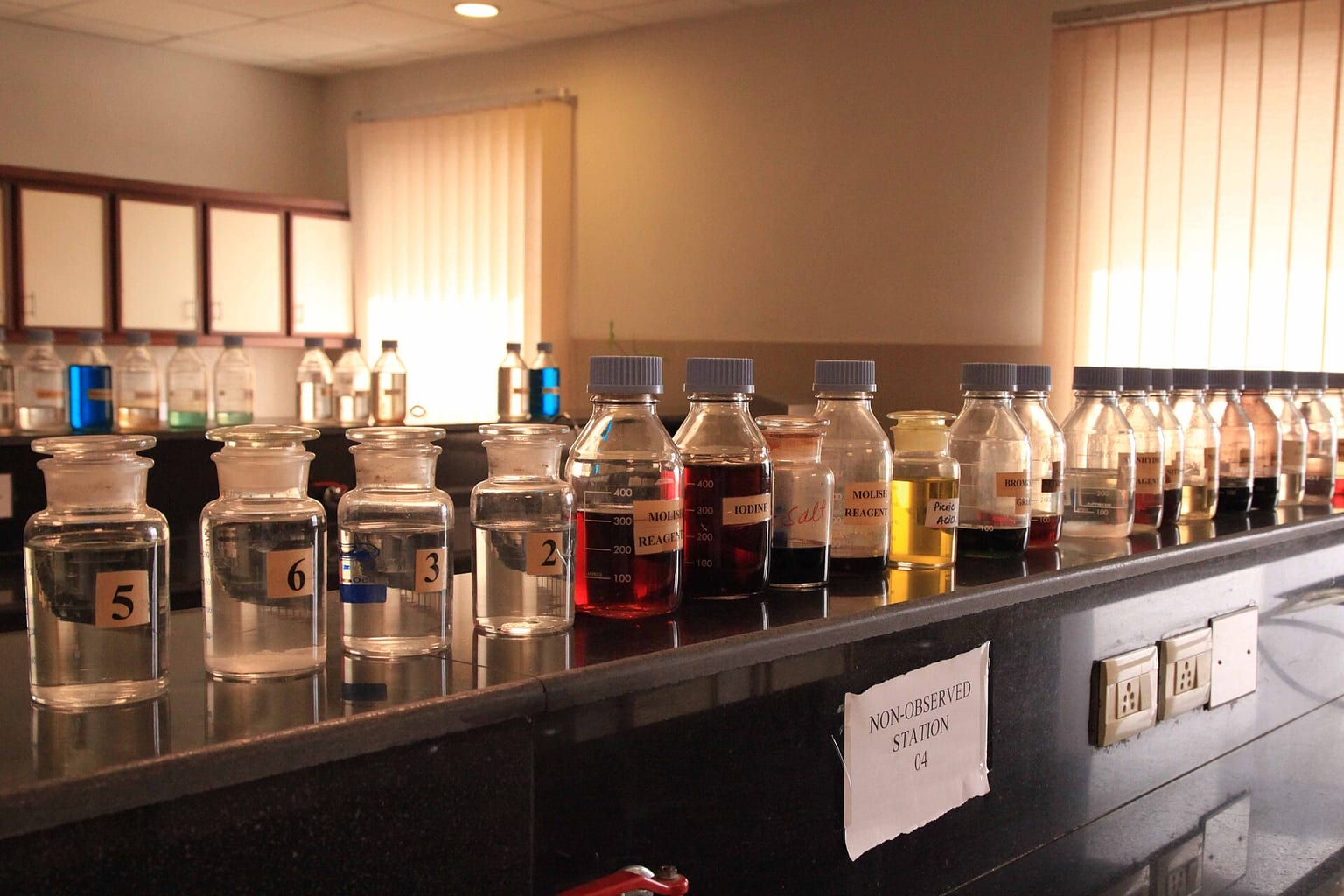
Soil-dwelling myxobacteria carry the genetic instructions for molecules they barely make. At the Helmholtz Center for Infection Research (HZI) and its Saarbrücken site, the Helmholtz Institute for Pharmaceutical Research Saarland (HIPS), a team has now switched one of those instructions on. The result is a new family of natural compounds, the myxoglucamides, which bind a human protein involved in cancer.
Myxobacteria are known for producing a wide range of natural products, many of them biologically active. The pathway for myxoglucamides, however, had stayed silent: the genes were present but not expressed. Using modern genetic methods, the team activated it, which was the key to producing and detecting the compounds at all. The molecules combine building blocks derived from sugars, lipids and amino acids, a combination that sets them apart from known natural products. Analysing the biosynthetic gene cluster, the set of genes that codes for a molecule, revealed a previously unknown route in which several enzymes act together in an unexpected way.
The bottleneck was quantity. The bacteria produce the compound only in very small amounts, not enough for further investigation. The team achieved the first total synthesis of myxoglucamide A in the laboratory, a step the natural producer could not provide. The synthetic route also allowed slightly modified variants to be tested, and some of them bound the target protein much more strongly than the natural compound. Using a method that identifies which proteins a molecule binds inside cells, the researchers showed that myxoglucamides interact mainly with AKR1C3, an enzyme that helps produce certain hormones and inflammatory signalling molecules. It is overproduced in several types of cancer, where it can promote tumour cell growth.
The caveat is stated plainly by the team. “Although we were unable to demonstrate a strong effect of myxoglucamides on cancer cell growth, the study nevertheless shows that natural products without an immediately obvious biological effect can still engage highly relevant targets in the human body,” says Mark Brönstrup, head of the Chemical Biology department at HZI. The work is laboratory research on human cells, and the sources give no timeline for drug development.
What changes first is the method. A silent bacterial pathway can now be woken, its products made in the lab, and their variants compared against a human target. The team points to such building blocks as a way to develop more targeted drugs, and Chengzhang Fu, who leads the junior research group “Genome Mining for Secondary Metabolites” at HIPS, sees in this approach a way to reach entirely new natural products. The next step, according to the researchers, is to understand which parts of the molecule drive its activity, and to identify such hidden compounds more systematically.
Sources — read the originals(Paris time)
Read next
Comments
Loading the thread…
Sign in to leave a comment. Sign in