Synthetic DNA cuts MYC cancer-gene activity 50–80%
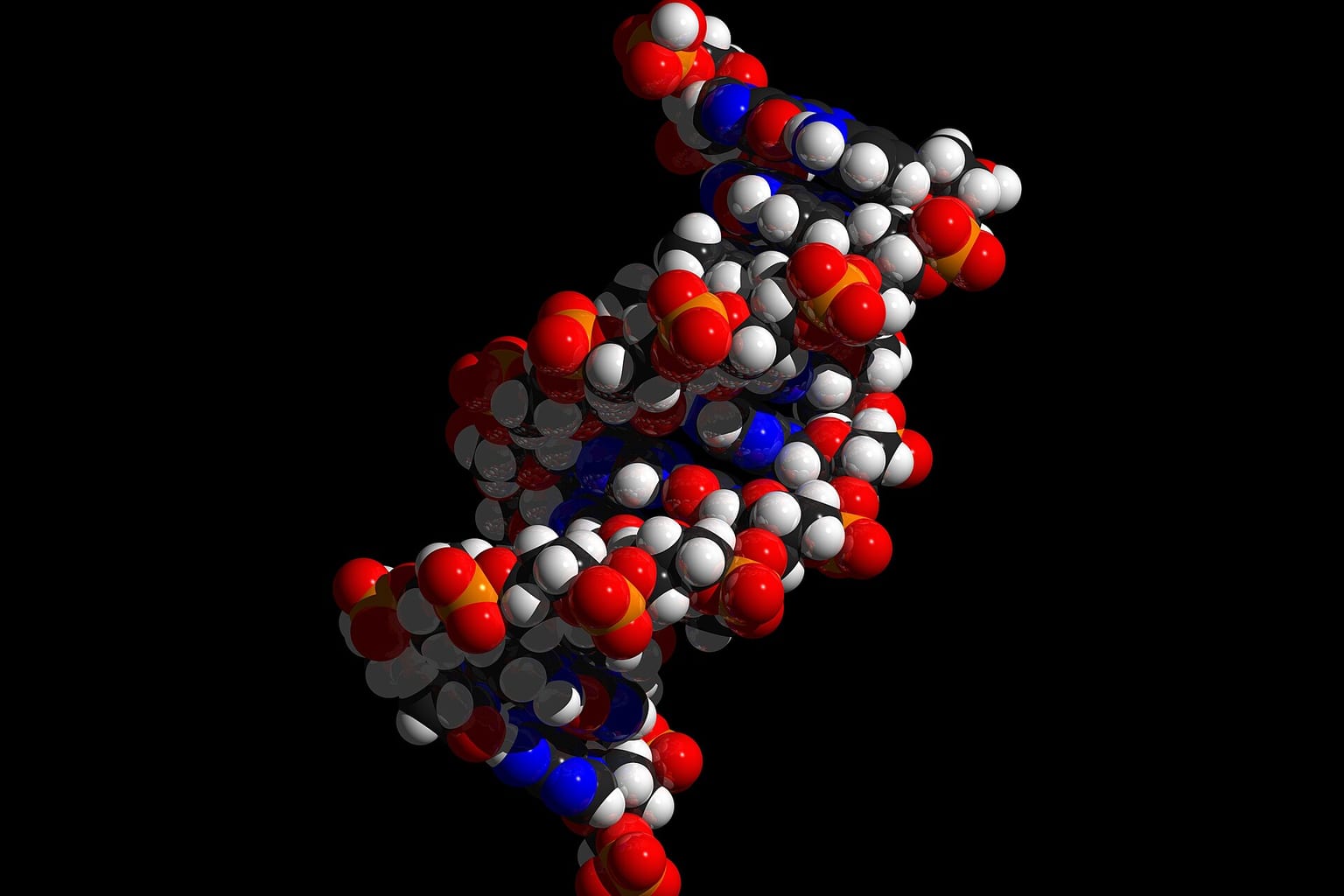
An approach first imagined decades ago is working again. Researchers led by David Rusling, an associate professor of bioengineering who has worked in the field for more than 20 years, have used synthetic DNA molecules to attach to a specific gene and dampen its activity. The target is MYC, a gene that drives the growth of many cancers when it becomes overactive. In laboratory experiments, the molecules reduced its activity by between 50% and 80%.
Most genetic medicines act on RNA, the molecule that carries instructions from DNA. Targeting DNA itself is harder, but Rusling argues it sits at the very start of the process: most drugs act on proteins, the end product of a long biological chain, whereas each cell holds only two copies of a gene. The tools are triplex-forming oligonucleotides, or TFOs, synthetic DNA pieces designed to recognise a specific sequence and bind to it, leaving the rest of the genome untouched.
The obstacle was chemistry. Natural DNA bases do not bind strongly enough to double-stranded DNA to work inside cells, which left many GC-rich regions, rich in the building blocks guanine and cytosine and central to gene control, hard to reach. The team added a commercially available synthetic base known as Z. It let the molecules bind more strongly and selectively to those regions, and they outperformed unmodified DNA and several earlier approaches aimed at the same sequences. Rusling put it this way: “They could recognize DNA very precisely in a test tube, but the chemistry of natural DNA meant that many important sequences could not be targeted effectively under the conditions found inside cells. What we are doing is changing that chemistry rather than abandoning the idea.”
Previously, many specialised DNA modifications had to be custom-made by expert chemists. Because the bases used here can be obtained commercially, the method is far easier for other laboratories to adopt. “If we can obtain these molecules, other researchers can too,” said Rusling.
For laboratories, the immediate gain is a research tool: scientists could temporarily switch off individual genes and study how cells respond, from cancer biology to genetic disorders. Because targeting depends on the DNA sequence, the team believes the method could eventually be adapted to many other genes by changing that sequence. For patients, the timeline is longer: the team says further research is needed before the technology could be used in people.
Sources — read the originals(Paris time)
Read next
Comments
Loading the thread…
Sign in to leave a comment. Sign in