InterstellOr maps CYZ1 escape capsule vibrations in ground test
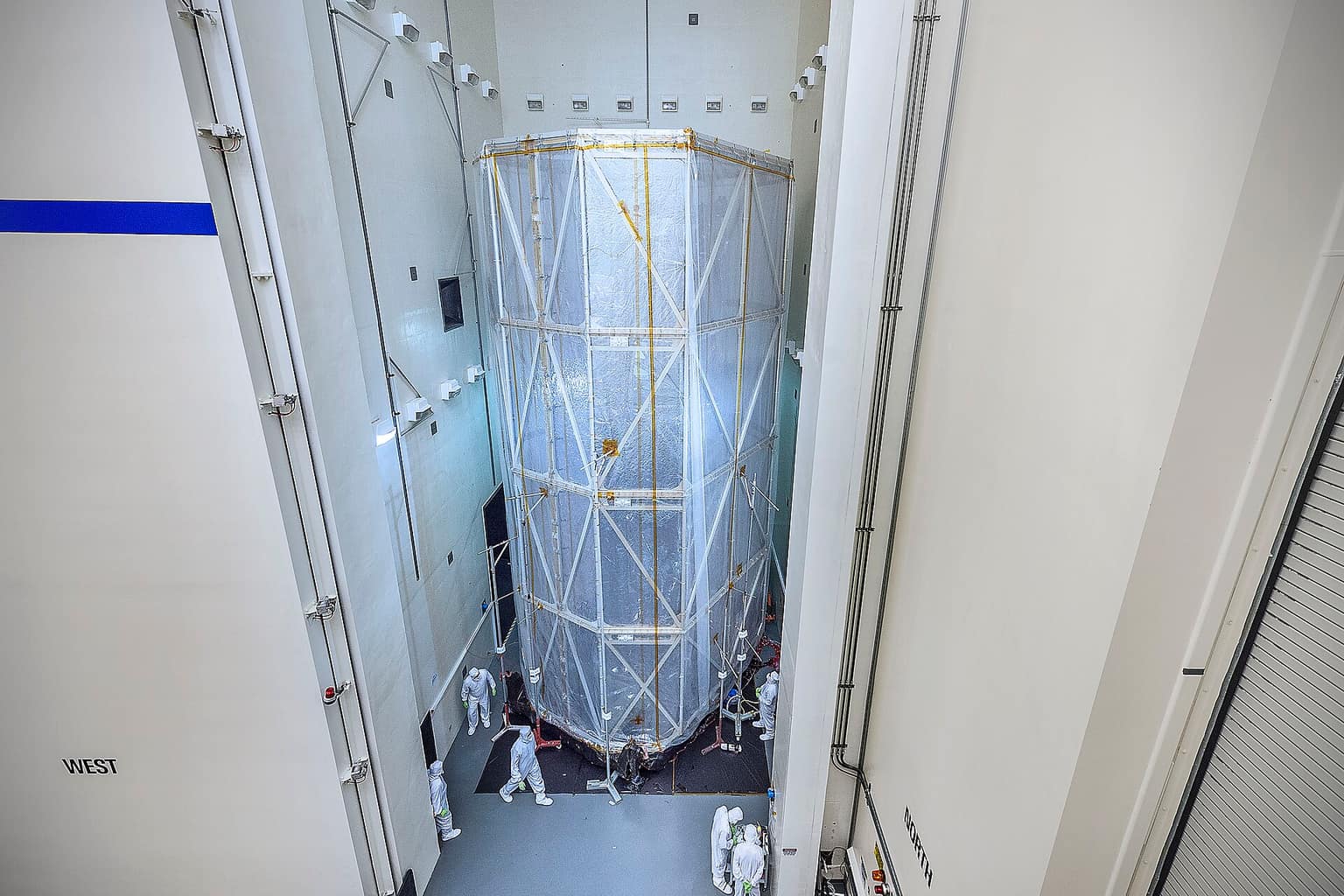
On the ground, a 4-meter capsule hangs from an elastic suspension and shakes under the blows of an impact hammer. More than 100 measurement points, spread around its circumference and at several heights, record how the shell answers each strike. The capsule is the escape ground test article for the InterstellOr One, known as CYZ1, a crewed spacecraft for suborbital flights built by the Beijing company InterstellOr. The company announced the test in a release carried by IT Home and Jiemian on November 1.
A modal test identifies three things: the natural frequencies at which a structure vibrates, the mode shapes that describe how each part moves, and the damping ratios that show how fast the vibration fades. For an escape capsule, these numbers answer a hard question: how the structure responds when the escape system fires under extreme conditions, and whether that response could threaten structural reliability or crew safety. The suspension frequency was kept below 2 Hz, less than one-fifth of the capsule's lowest elastic mode, to approximate free boundaries.
The design is difficult to model. CYZ1 uses a push-type escape system rather than a traditional tower, and a spatial truss network converges on a central ring to spread thrust loads along several paths. One target was the ovalization mode, in which the round cross-section of a large thin-walled shell distorts toward a flatter shape. If its frequency sits too close to flight vibrations, it can cause local fatigue or instability. Because no mature dynamics data exists for this structure, the company had no reference to work from.
The company says its finite element simulation closely matched the measured shapes, which validates the model it will use for load prediction and safety analysis. These are the company's own results, published in its release, and no independent test has yet been reported. The data are a first reference rather than a verdict on the capsule's flight behaviour.
For the engineering team, the gain is a baseline. Repeating the test after transport or flight can reveal stiffness changes from fatigue cracks or loose joints, which is the kind of check a reusable spacecraft needs. The next step the release points to is the escape flight tests, for which the measured data will now feed the analysis. The company gives no date for those flights.
Sources — read the originals(Paris time)
Read next
Comments
Loading the thread…
Sign in to leave a comment. Sign in