Korea's Sixth Supercomputer “Hangang” Starts Trial Run, 24x Compute
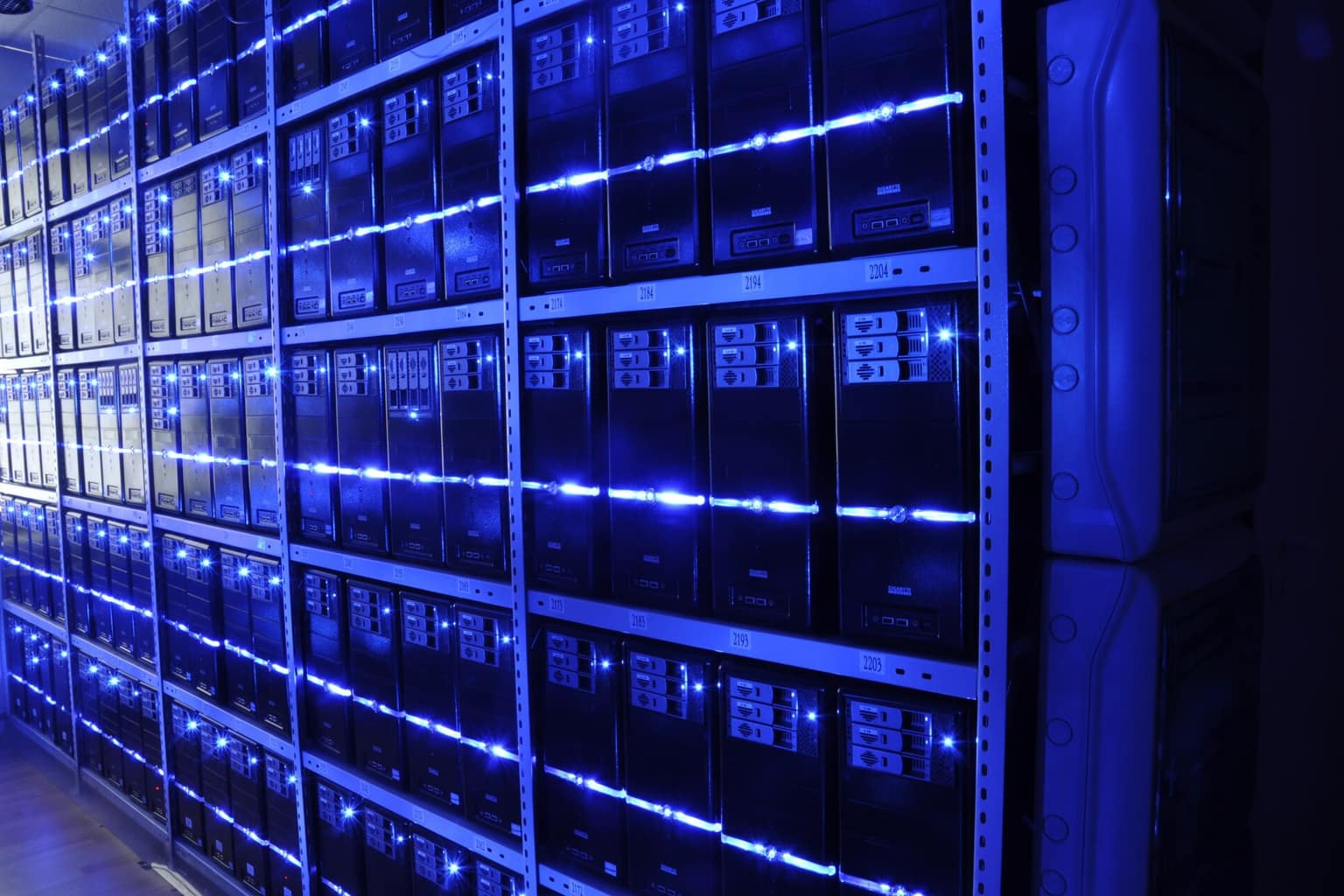
The sixth national supercomputer, “Hangang,” held its launch ceremony at KISTI's headquarters in Yuseong District, Daejeon. It is the first new system in eight years, following the fifth-generation Nurion introduced in 2018, and is currently in its trial operation phase.
Supercomputers are systems that analyze large volumes of data at extremely high speed compared with ordinary computers. Over the past eight years, Nurion supported a total of 1,730 research projects, which resulted in 1,520 papers indexed in SCIE. However, the sixth system's project had targeted launching service in 2025. As the generative AI boom drove up GPU prices, the procurement tender failed four times, and in the meantime Nurion's global performance ranking dropped to around 120th place.
Hangang is designed to fill that gap. It is equipped with 8,496 of the latest GPUs and 9,936 CPUs, including Nvidia's GH200, a CPU-GPU integrated chip. Its theoretical computing performance is 24 times that of Nurion, with storage capacity 10 times larger and network performance 4 times higher. The ministry expects Hangang to rank in the global top 10 in the supercomputer performance list due to be released later this month.
What this system changes is researchers' costs and waiting times. Industry, academic and research institute researchers in Korea will be able to use a national facility rather than buying expensive equipment individually or relying on private cloud servers. Challenging research at universities and government-funded research institutes, as well as technology development by ventures and startups, is now included in the resource allocation. Once official service begins on the 14th of next month, it will become clear how much this resource is actually used.
Hangang will give priority to AI-driven national challenge projects such as K-Moonshot. Lee Sik, president of KISTI, promised stable operations and user support. Whether Hangang becomes a foundation linking AI with science and technology will be determined by usage records after official service begins.
Sources — read the originals(Paris time)
Read next
Comments
Loading the thread…
Sign in to leave a comment. Sign in