South Korea's Hangang reaches 614.7 petaflops, in theory
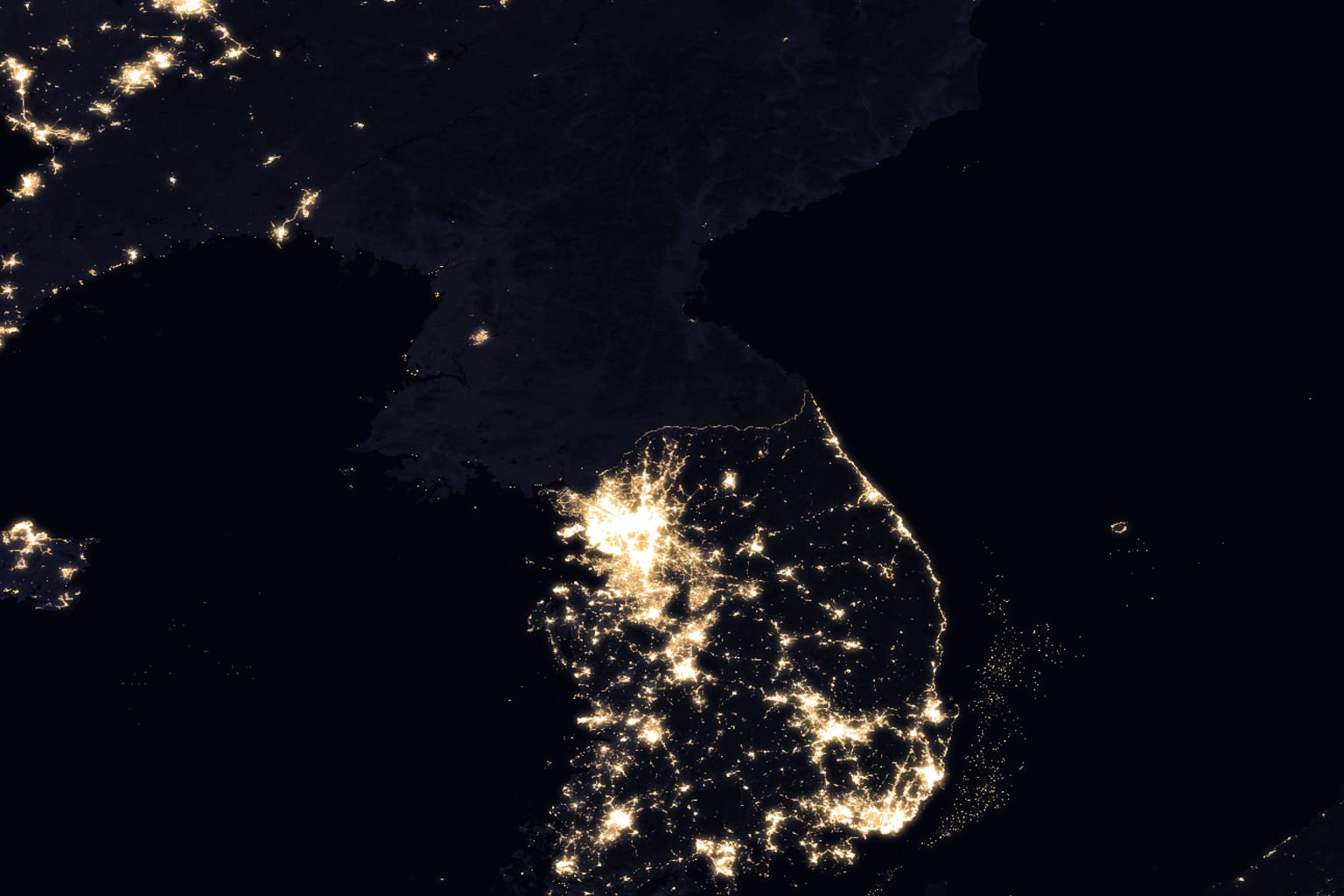
On a stage in Daejeon, in front of more than 200 members from academia, research institutes and industry, the Korea Institute of Science and Technology Information (KISTI) launched Hangang, South Korea's sixth supercomputer. Its theoretical performance reaches 614.7 petaflops, a measure of calculation speed. KISTI expects it to break into the top 10 of the TOP500, the ranking of the world's 500 most powerful machines, when the list is updated this month.
Hangang succeeds Nurion, launched in 2018. Over eight years of operation, Nurion took part in 1,730 research projects and produced more than 1,520 publications, covering subjects from next-generation battery materials to AI systems for chemical analysis built on large language models. Hangang's own path was slower. Its feasibility study passed in 2022, but tenders failed as demand for GPUs skyrocketed during the AI boom. The team redrew its plans to match changing research needs, and after four years the machine is about to open to users.
Hangang runs on 8,496 NVIDIA GH200 chips, each integrating a GPU and a CPU, alongside 9,936 CPUs and 205 petabytes of storage. Its measured performance in June reached 342.6 petaflops, which ranked it 12th on the TOP500 list. Since September, KISTI has been recruiting researchers for pilot services and scaling up use step by step. Full service is due by the 16th of next month, and the system's theoretical performance will then be 614.7 petaflops, a 24-fold leap over Nurion.
That theoretical peak is not the figure measured so far: the only result obtained in operation is the 342.6 petaflops recorded in June. South Korea also lacks an ecosystem to build its own supercomputers, so in the short run it relies on GPUs sourced abroad to keep costs down. A successor is already in its pilot stage, meant to avoid a repeat of the delays that marked Hangang.
For researchers, the machine opens now in pilot form and then at full service. Its capacity is split between research and development (55 percent), national strategy (30 percent) and industrial innovation (15 percent), the last supporting small and mid-sized companies. In early 2027, KISTI plans to connect Hangang to a quantum computer it intends to introduce. In that hybrid setup, the quantum machine would narrow down protein structures that could bind to an enzyme, while the supercomputer calculates their binding energies, a possible route for drug discovery.
Sources — read the originals(Paris time)
Read next
Comments
Loading the thread…
Sign in to leave a comment. Sign in