Lab test spots trace sepsis bacteria in one hour, not days
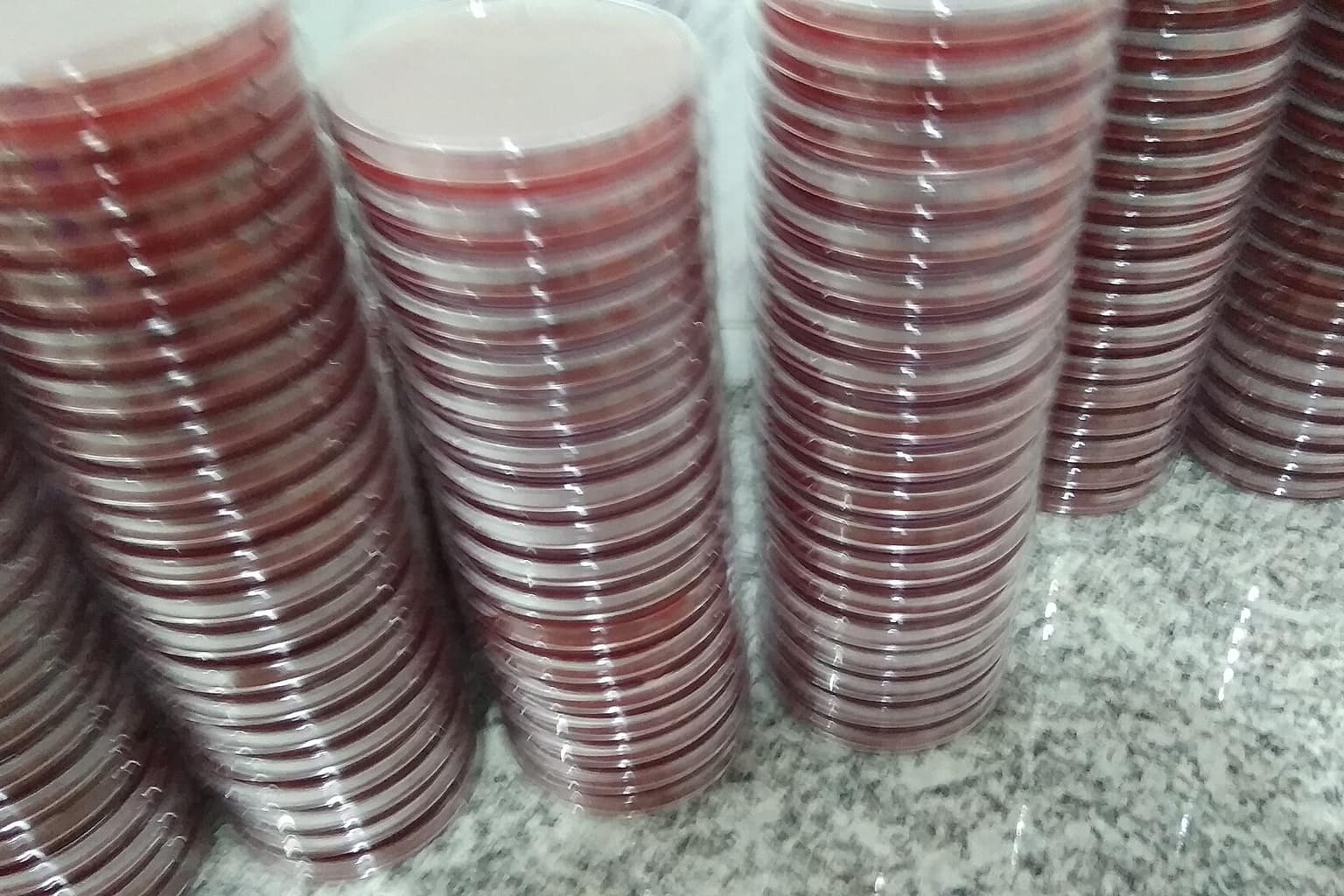
A bacterium in a blood sample has to multiply in a laboratory dish before anyone can name it, and that wait can run from tens of hours to several days. Researchers at the Korea Institute of Materials Science (KIMS), led by senior researcher Minyoung Lee and principal researcher Sunggyu Park, describe a method that identifies living bacteria within one hour, without that growth step.
Sepsis is a life-threatening condition in which the body's dysregulated response to infection leads to organ dysfunction. Early on, bacteria in the bloodstream can be present at extremely low concentrations, which makes direct detection difficult, and rapid identification of the pathogen followed by an effective antibiotic is critical. The team's earlier biosensors detected protein biomarkers of sepsis in blood. This work goes further by looking for the living bacteria themselves.
The key move is a reversal. Conventional SERS relies on hot spots only a few to tens of nanometers in size, while a bacterial cell measures about one micrometer, so only a small part of its surface sits in the amplifying zone. The KIMS team instead grows plasmonic metal nanostructures directly on and around the cells, electrochemically, so the hot spots form where the bacteria are. Combined with artificial intelligence-based analysis, the spectra let the researchers distinguish eight bacterial species.
In the final platform, a filter captures and concentrates the bacteria in one spot, then the metal structures grow around them. The system detected concentrations as low as 1–10 colony-forming units per milliliter, a unit that counts living bacteria able to grow. Changes in the signal after exposure to antibiotics were used to assess antibiotic response within two hours.
For patients with bloodstream infections, the promise is a diagnosis in hours rather than days, and an antibiotic choice based on what the bacterium actually tolerates. That promise is still at the laboratory stage. The team has not given a date for clinical validation with patient blood, and it has not announced any device or price. Every result so far comes from samples where bacteria were added on purpose.
Sources — read the originals(Paris time)
Read next
Comments
Loading the thread…
Sign in to leave a comment. Sign in