Research blood test spots Zika and hepatitis C in hours, without a lab
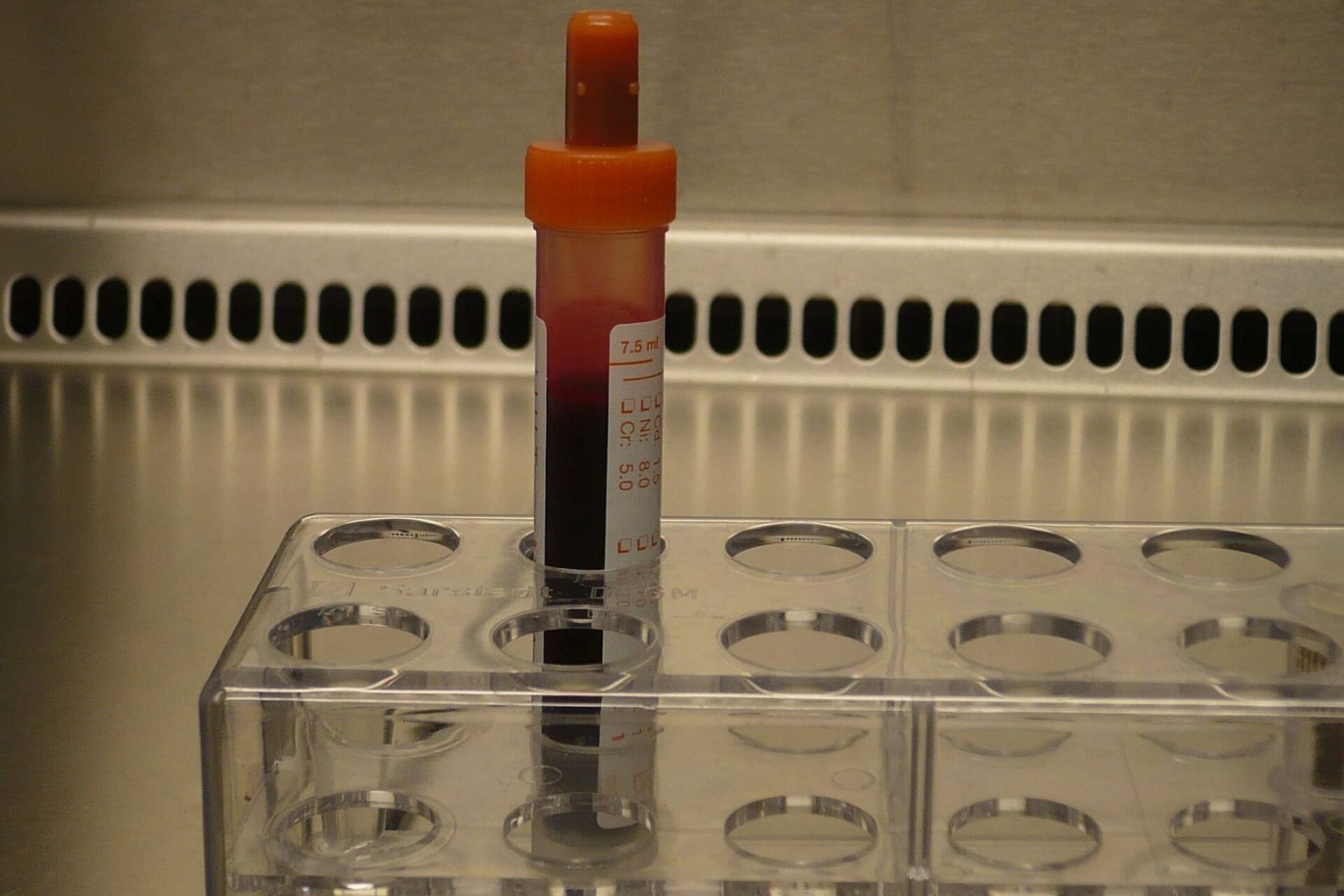
A drop of blood, a portable heater, a phone screen: that is the whole setup of a new test that detects Zika and hepatitis C in a matter of hours, without the laboratory equipment that diagnosis normally requires. The protocol was developed by a team in the Grainger College of Engineering at the University of Illinois Urbana-Champaign, and it is described in Science Advances.
Today, a blood sample for an RNA virus usually travels to a central laboratory, where it is purified with centrifuges and extraction instruments before the viral genetic material can be detected. The team’s approach drops that step. Instead of purifying the blood, the protocol uses heat to dry the sample, then amplifies the preserved viral RNA, which means copying it many times so a faint signal becomes readable, and detects it through fluorescence. The result is read by a pocket-sized device, and a smartphone helps interpret it. Earlier, the same group had developed a related approach for DNA targets, the “biphasic reactions”, which avoid the sample loss that conventional purification causes.
RNA was the harder problem. Enzymes naturally present in blood break RNA into fragments too small to detect, and heat can speed up that damage. Lim says he tested hundreds of reagent combinations while working out why some formulations preserved the RNA and others failed. “We needed to come up with a way to prevent degradation at each step of the procedure,” he said. The team’s own protocol for Zika and hepatitis C is the result of that work.
For people in low-income regions, where access to medical facilities is limited, the change is a shorter path from sample to answer. A test that runs on site, with low-power equipment, could shorten the wait for a result, rather than after a sample has travelled to a lab and back. Lim also believes the approach could extend to other RNA viruses, such as Ebola and Lassa fever. That is his expectation, not a result the study reports.
The next step is not yet defined. The study demonstrates the protocol, but its authors have not announced field trials or a timeline for use outside the laboratory. Until those come, the protocol remains a research result, with a clear target: bringing the analysis to the patient instead of the patient’s sample to the analysis.
Sources — read the originals(Paris time)
Read next
Comments
Loading the thread…
Sign in to leave a comment. Sign in