Lunar dust simulant fused into LEGO-like bricks, no binder
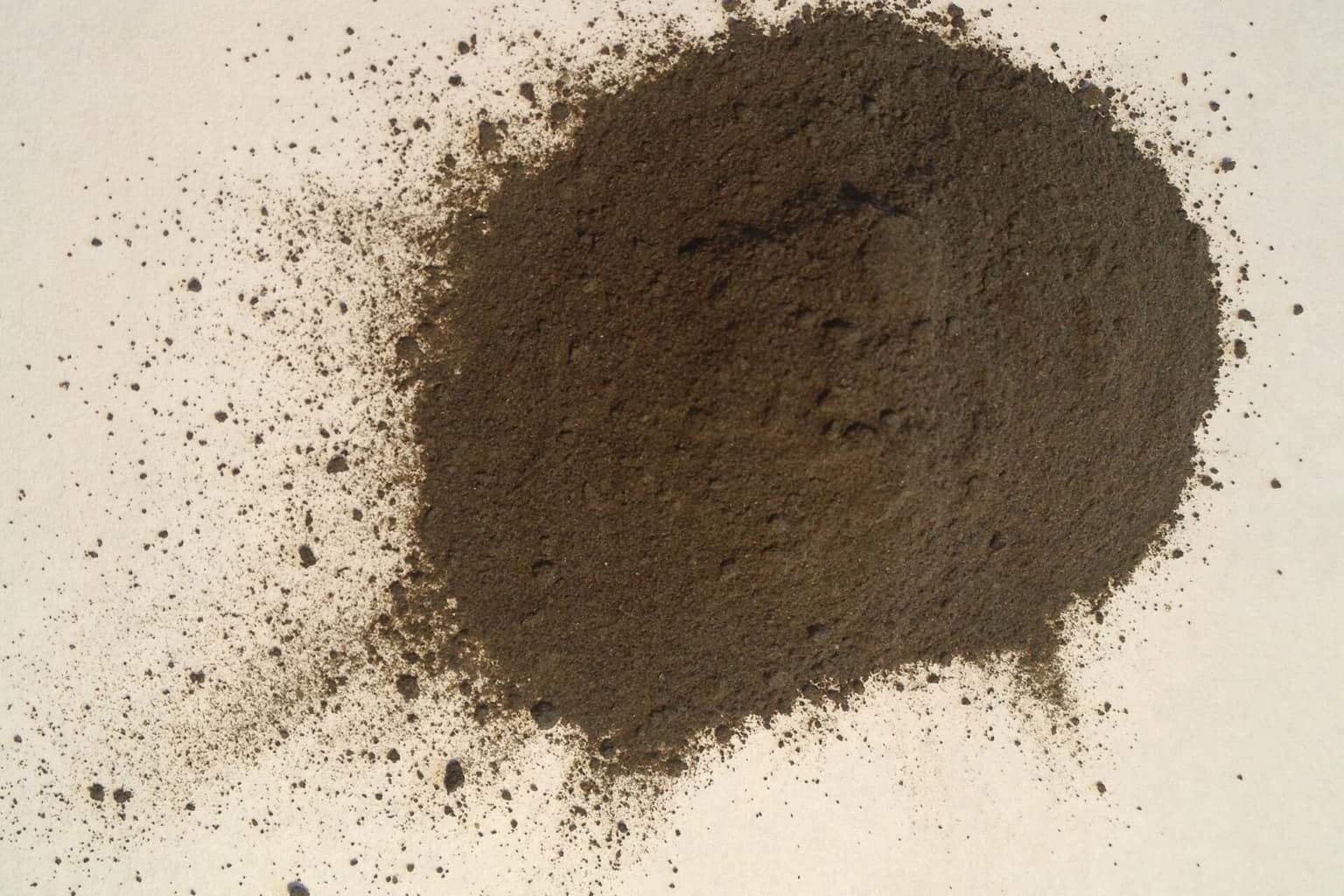
A handful of lunar dust, pressed and lasered, becomes a block that can snap onto another. At the University of Arkansas, a 3D printer spread a bed of simulated lunar regolith and fused it layer by layer into bricks a few centimeters wide, some shaped like crosses, others like the letter H. Those shapes fit together like LEGO to build larger structures. The work was published in the journal npj Advanced Manufacturing, with Cole McCallum, then an undergraduate, as first author and Wan Shou, an assistant professor of mechanical engineering, as senior author.
Lunar regolith contains no organic matter. It is made of loose, jagged particles produced over billions of years as asteroids, micrometeorites and other debris struck the surface. Earlier 3D-printed lunar objects relied on binders, and those would have to be transported from Earth. Here the team sintered the material without any binder, using a relatively low-power light source on LHS-1, a commercial simulant designed to mimic samples collected during the Apollo missions. "There's nothing else it's binding to," McCallum said. "The regolith powder is binding to itself." The experiments were run in ambient air.
The bricks are more porous and structurally weaker than objects printed with binders. McCallum is cautious: "These structures we're making can be self-supported," he said, "but I would be hesitant to say our process could be used for something that's supporting other loads at this moment yet." Shou says the mechanical performance still needs to be optimized to be practically useful, and that more research is needed in microgravity and vacuum. Universe Today reports that larger structures showed less uniformity and therefore less precision.
The accounts do not fully agree. The German technology site heise reports that the team mixed the regolith with polylactide, a plastic, and a solvent simulating meteorite dust. That would mean a binder of sorts, and it conflicts with the pure-regolith account in the university's coverage. The point remains unresolved. The approach also sits within a wider effort: a separate study on nature.com assessed the time and power needed to laser-melt large elements of a different simulant, EAC-1A, for paving on the Moon, and a 2020 study in Additive Manufacturing set out the feasible conditions for processing simulant by laser powder bed fusion.
For a planner of a lunar settlement, the gain is a material already on site: the researchers say the approach could reduce what NASA needs to send from Earth. No timeline has been given. The next step, according to Universe Today, is to build a prototype and run laboratory tests to refine and scale the technology, while microgravity and vacuum work remains ahead.
Sources — read the originals(Paris time)
Pages consulted while writing
Read next
Comments
Loading the thread…
Sign in to leave a comment. Sign in