Mosquitoes carrying a natural bacterium cut dengue infections
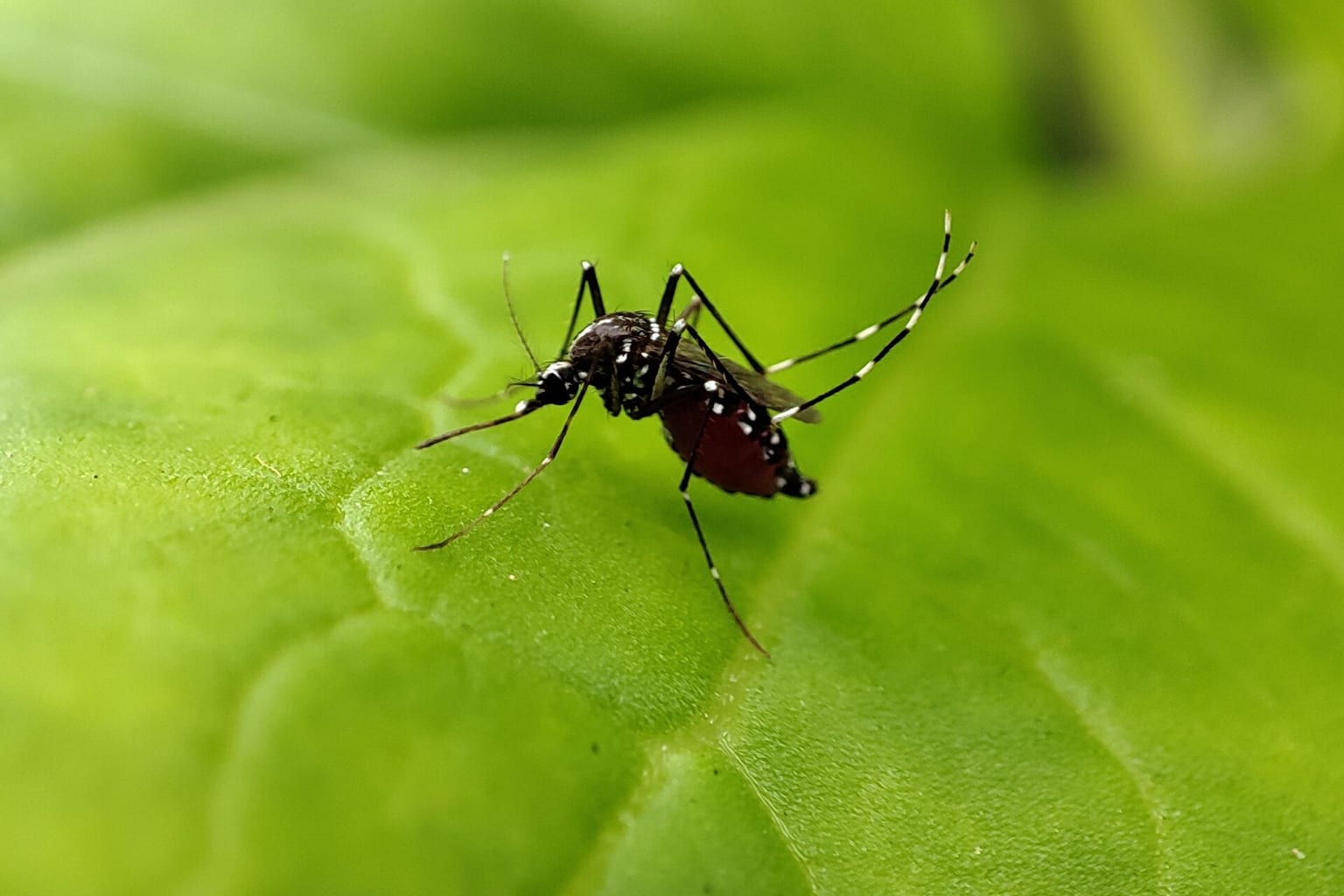
For four years, schoolchildren in Belo Horizonte, Brazil, gave a blood sample every year. Comparing successive samples showed whether a child had been infected with dengue, Zika or chikungunya between two visits, even if the child never had symptoms. In the children living where the mosquitoes had taken hold, the team reports an overall reduction of 68.6% in these infections.
The three diseases share a carrier, the Aedes aegypti mosquito. In 2024, Brazil recorded the largest dengue outbreak in its history, which contributed to the largest global dengue burden ever reported. That epidemic gave the trial a demanding setting, since the intervention was evaluated under conditions of intense transmission.
The trick lies in a bacterium called Wolbachia. It occurs naturally, but Aedes aegypti does not carry it on its own. Researchers introduce it into mosquitoes, and a mosquito that carries it becomes far less able to pass on viruses. The bacterium passes from females to their offspring, so once released, the infected mosquitoes breed with wild ones and, over six to 12 months, replace the local population, according to the World Mosquito Program. No genetic modification is involved.
The trial split its school areas in half. In one half, infected mosquitoes were released from January 2021 to May 2022, on top of the usual control: insecticide sprays and source reduction, meaning the clearing of places where mosquitoes breed. The other half got only the usual control. Each year, the children’s blood was tested for antibodies, the proteins the immune system makes in response to an infection. “Conducting this study during the COVID-19 pandemic was an extraordinary challenge,” says Mauro Teixeira, a professor at the Federal University of Minas Gerais and co-leader of the trial, since schools closed just as enrollment began.
The results were presented at the annual meeting of the American Society of Tropical Medicine & Hygiene, in National Harbor, Maryland. By disease, the figure is 68.5% for dengue and 73.3% for chikungunya. Behind those numbers lies a heavy laboratory job: tens of thousands of blood samples were processed at FAMERP, in São José do Rio Preto. Derek Cummings, a co-leader of the trial at Johns Hopkins, says the intervention substantially reduced dengue infections during Brazil’s largest recorded outbreak.
For families in the trial areas, the measured effect is fewer infections; no timetable for wider use has been given. The team sees a wider prospect: about four billion people live in regions where these diseases occur, including parts of the US. Albert Ko, of Yale, calls the findings an important step toward approaches that are sustainable and scalable. The release gives no timetable for using the method beyond the trial.
The caveats are real. These are the trial team’s own figures, from one study in one city, and they describe children in areas where the mosquitoes took hold. In the laboratory, according to the World Mosquito Program, the bacterium stops dengue from reaching the part of the mosquito that passes it on, in most mosquitoes but not all.
The reduction did not disappear when transmission was at its strongest. It held through the largest dengue outbreak Brazil has recorded.
Sources — read the originals(Paris time)
Pages consulted while writing
Read next
Comments
Loading the thread…
Sign in to leave a comment. Sign in