New light-sheet microscope switches between oil, water and air
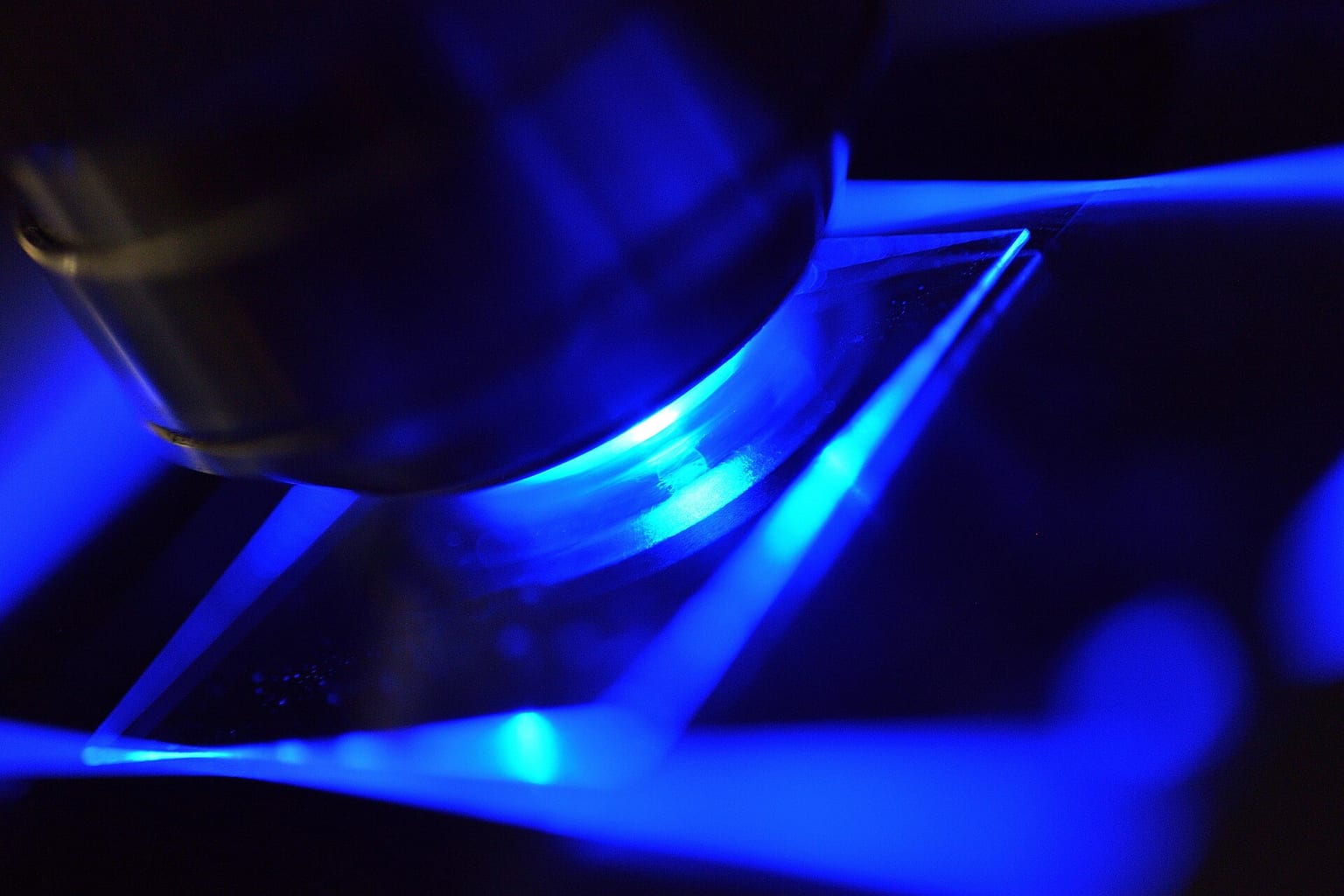
Switching a light-sheet microscope from oil to water has usually meant switching instruments. These microscopes build 3D pictures by lighting one thin slice of a sample at a time, a method that is fast and limits light damage to living samples. Yet most are built for a single job: zooming in on structures inside a cell needs an oil-immersion lens, larger tissues or organoids need water, and scanning hundreds of sample dishes needs air.
A team led by Reto Fiolka at UT Southwestern Medical Center has built one instrument that covers all three. The multi-immersion oblique plane microscope (miOPM) lets researchers swap the objective lens on a single body designed for oil, water or air. An adjustable zoom lens keeps image quality steady when the liquid around the sample changes, so the internal optics do not have to be rebuilt. The study was described in Nature Methods.
The team tested the platform on moving structures on immune cells, on the energy-producing structures inside cells, and on lung and liver cancer tissue. It also worked with standard laboratory plates holding hundreds of sample wells, a format where 384-well plates can be scanned rapidly. The imaging was run on two miOPM systems, one at UT Southwestern and one at Calico Life Sciences in San Francisco.
For laboratories, the gain is fewer dedicated instruments to buy, maintain and reconfigure, although the study does not quantify the financial savings. For drug research, the same speed matters: pharmaceutical researchers could in principle test thousands of drug candidates faster and see how they affect disease targets in 3D. Researchers also cite neurodegenerative disease as a use, since the system can track how toxic protein clumps move through living nerve cells.
The researchers expect these 3D views to help uncover the root causes of conditions such as Parkinson’s, cancer and respiratory diseases over time. “By lowering costs while maintaining advanced capabilities, we can help more researchers accelerate biomedical discovery,” Fiolka said.
Sources — read the originals(Paris time)
Read next
Comments
Loading the thread…
Sign in to leave a comment. Sign in