Nippon Steel makes iron with 100% hydrogen at pilot scale
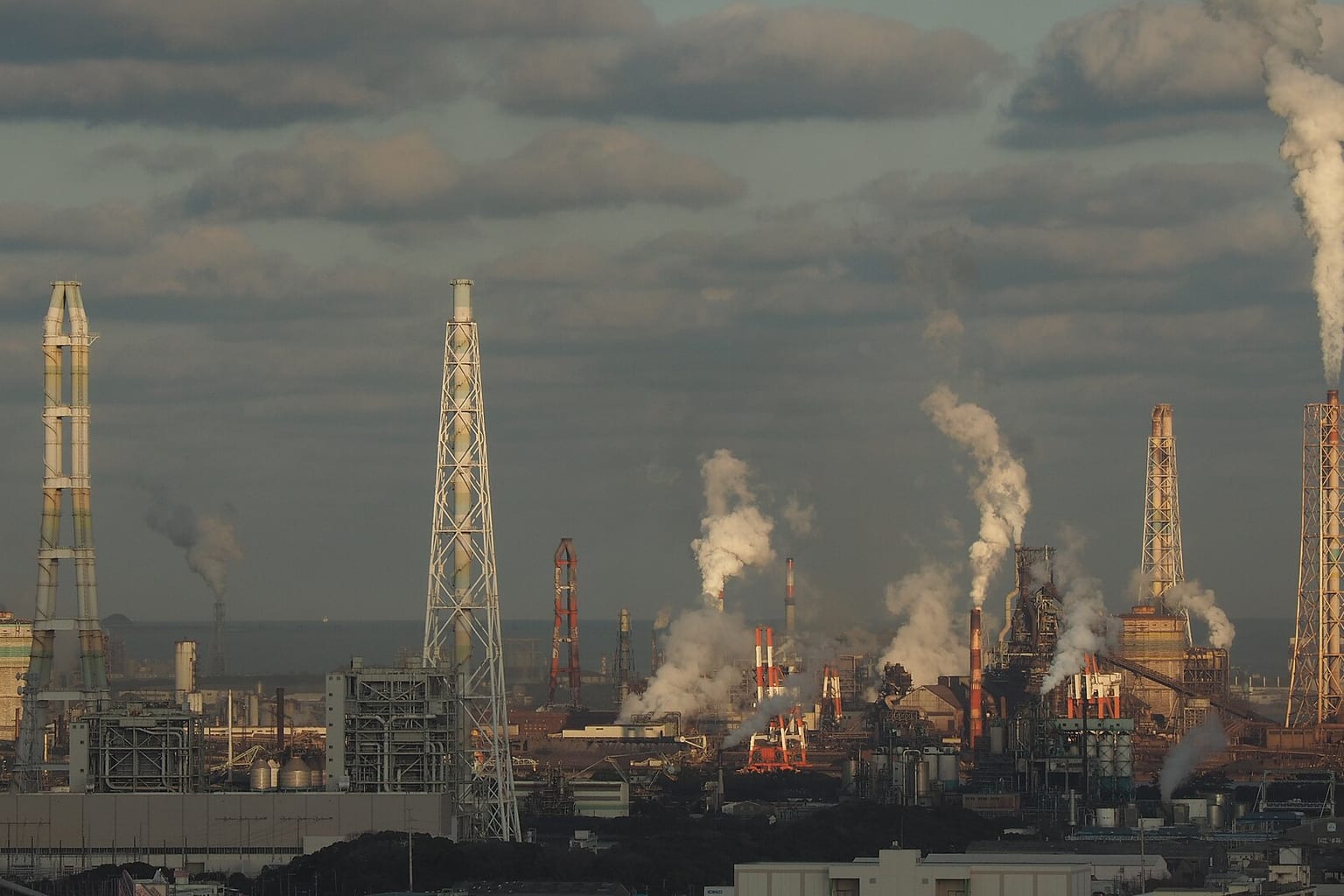
In a 60-meter-high furnace at Nippon Steel's Hasaki Research and Development Center in Japan, iron ore is being reduced to iron with hydrogen alone. The company has now produced more than 1,000 metric tons of direct reduced iron (DRI), an iron product made by reducing iron ore in a furnace, using 100% hydrogen as the reducing agent.
The ore used is the part that makes this result notable. Direct reduction normally requires high-grade iron ore pellets. Nippon Steel ran the process with lower-grade pellets instead, which widens the range of ore that could feed such a process if the approach scales up.
The pilot-scale furnace has a production capacity of 1 metric ton per hour and began operating in March 2026. It completed more than 300 hours of continuous operation, a duration that shows the process can run for long stretches, not just in short trials.
These are figures from a single pilot facility, and the company has not given a date for a full-scale furnace. The results also do not say what the process costs compared with conventional routes, so they show feasibility at pilot scale rather than a commercial plant.
What changes is the evidence that a hydrogen-based route can run for hundreds of hours on lower-grade ore at a size beyond the laboratory. For steelmakers, that is the step that comes before any investment decision, and for the hydrogen sector it is a new industrial use to add to the list of applications being tested.
Sources — read the originals(Paris time)
Read next
Comments
Loading the thread…
Sign in to leave a comment. Sign in